What’s Being Proposed
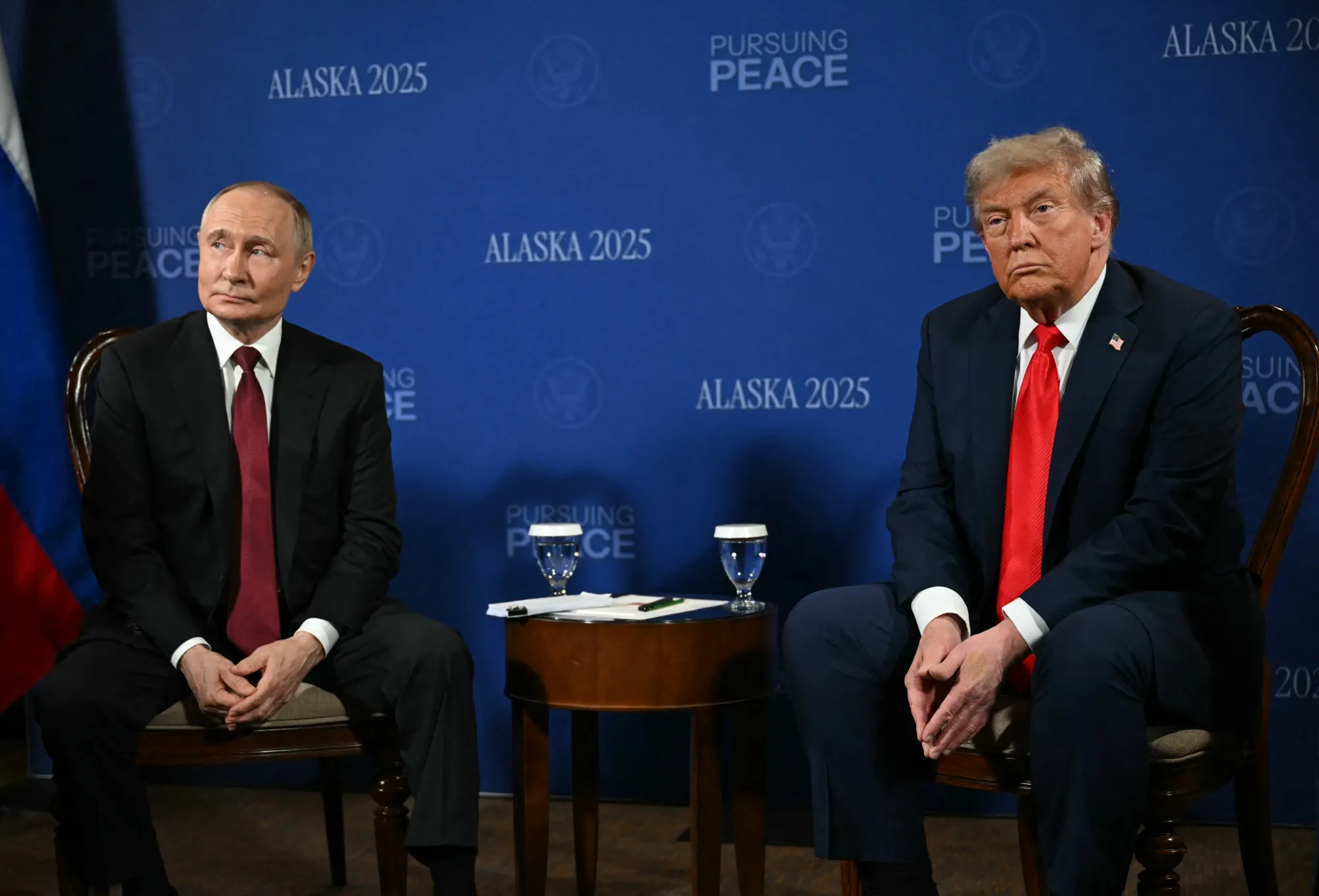
- The U.S. is urging its G7 allies to impose high secondary tariffs—between 50% and 100%—on China and India for purchasing Russian oil.
- It also seeks a legal pathway so G7 countries can seize or use frozen Russian sovereign assets (the large sum currently immobilized in Europe) to support Ukraine’s defense.
- The U.S. wants to restrict imports and exports to and from entities that are facilitating trade with Russia, including enforcing rules on dual-use technologies.
- The aim is to pressure Russia into peace negotiations by significantly reducing its oil export revenues via international buyers.
Why It’s Significant
- Escalation of Economic Pressure
This proposal sharpens U.S. strategy: moving from sanctions on Russian entities themselves to targeting the countries that continue buying Russian oil. It’s a lever on both supply and demand. - Legal & Political Complexity
Seizing sovereign assets and imposing severe secondary tariffs across countries raises legal, diplomatic, and trade-war risks. Countries like Hungary and others in the EU have shown resistance to harsher energy sanctions, which could slow or limit implementation. - Market Signals
Oil markets, energy stocks, and nations reliant on Russian energy will be watching closely. Even the proposal (without implementation) can affect expectations of energy availability, costs, and trade flows.
Potential Effects & Risks
| Factor | Possible Upside | Key Risks / Downsides |
|---|---|---|
| Global Oil Flows | Tariffs could reduce Russian oil supply to China/India, pushing up tanker rates, changing trade routes, and increasing price volatility. | China/India might react defensively (seek alternative suppliers, challenge tariffs), causing diplomatic fallout or countermeasures. |
| Commodity Prices | Oil and gas prices could spike, benefiting producers outside Russia; energy companies with exposure to Russian imports or supply margins get squeezed. | Supply shocks could hurt energy-importing economies, raising inflation, especially in developing countries. |
| Sovereign Asset Seizures | Provides a source of leverage — and funding — for Ukraine; weakens Russia’s financial position. | Legal challenges, investor uncertainty, potential retaliatory asset seizures. Also sets precedent for sovereign asset risk globally. |
| Trade Policies & Alliances | Tightens international coordination among G7; signals seriousness of U.S. position. | Could strain U.S. relations with India/China, trigger trade retaliation. EU internal divisions could slow implementation. |
Who’s Likely to Benefit / Be Hurt
- Beneficiaries
- Oil producers outside Russia (Middle East, U.S., Canada) who can fill supply gaps.
- Shipping/logistics firms servicing alternative routes or opportunistic markets.
- Nations investing in energy security who can reduce exposure to Russian energy.
- Defense and security sectors — increased support and international cooperation.
- Potentially Hurt
- Russian energy firms and Russia’s broader export-dependent revenue streams.
- Countries heavily dependent on discounted Russian oil (e.g. parts of Asia) seeing cost/price inflation.
- Industries in import-dependent economies facing higher input costs.
- Companies with exposure to trade or logistics with China/India that might be caught in secondary tariff regimes.
What Investors & Policy Makers Should Watch
- Policy adoption and implementation timeline — How fast G7/EU countries agree, whether countries block or water down the proposals.
- Actual tariff schedules and enforcement — Which goods or entities will be targeted, and how enforcement (tariff, export restrictions, etc.) will work.
- Russia’s counteractions — Whether Russia shifts trade flows, leverages alternative buyers, or responds with its own economic measures.
- Commodity market reactions — Oil, gas, LNG, shipping — how pricing and supply forecasts adjust.
- Legal & regulatory risks — For companies operating in affected supply chains, or using assets that could be exposed via sanctions.
Bottom Line
This U.S. proposal signals a sharper phase in sanctions policy: targeting not only Russia directly but also the global buyers enabling its war revenues. If implemented fully, it could tighten global energy markets, raise costs for some key importers, and increase geopolitical risk. For investors, there’s opportunity — but also a premium on risk management, policy alignment, and moving fast if these measures begin to pass into action.