What We Know
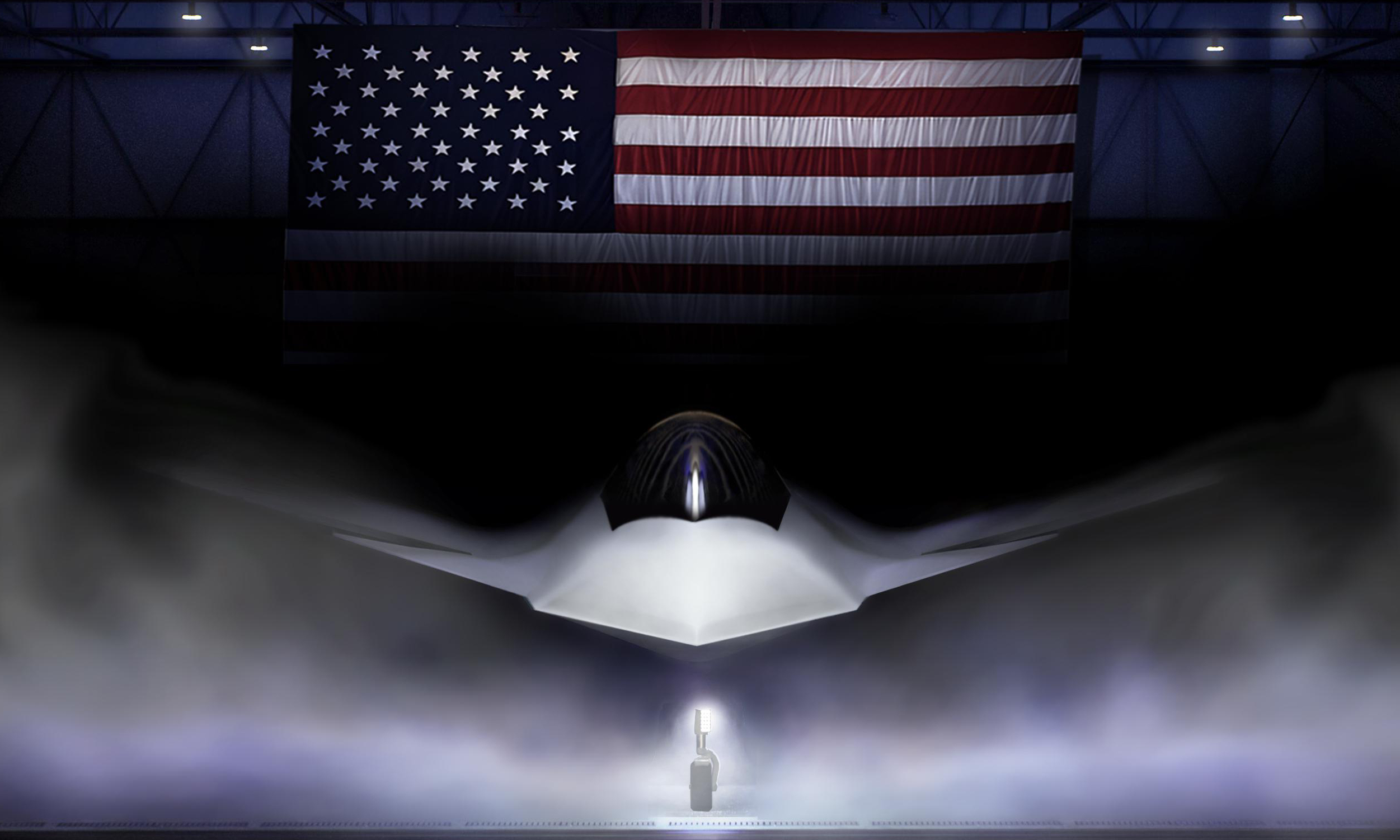
- The U.S. Air Force has announced that the first production F-47 aircraft is now in the build pipeline and is expected to fly by 2028.
- This signals transition from concept/demonstrator/contract stage into physical manufacturing, with associated supply chain, tooling, and production demands beginning immediately.
Strategic Context & Why It Matters
- Next-generation fighter race: The F-47 is part of the U.S. effort to modernize its air combat fleet, likely entering service in the 2030s. Its design, performance, avionics, and systems will need to meet evolving air dominance requirements (e.g. stealth, sensor fusion, high throughput data links).
- Budgetary & industrial implications: Moving into build indicates upcoming spending across primes, subcontractors, and subsystems—landing gear, sensors, engines, electronics, software integration. Whoever is in the supply chain early is likely to lock in valuable contracts.
- Geopolitical timing: As peer adversaries invest in 5th/6th generation fighters, U.S. strategic posture depends on staying ahead. The earlier build and flight schedule (2028 for first flight) means that downstream operations, testing, and eventual deployment will be under tight scrutiny, and may be accelerated.
- Risk of Schedule & Cost Overruns: Military aircraft programs have a long history of slipping timelines and rising costs. Moving into manufacturing exposes the project to material inflation, labor availability, regulatory tests, flight test risks, and certification hazards.
Potential Investment Plays
Here are areas and sectors likely to benefit, plus where early positioning makes sense:
| Segment | Why Attractive | Companies / Profiles to Watch |
|---|---|---|
| Prime contractors & Aeronautics Integrators | The core contractor(s) building the F-47 and managing subsystems will capture large revenue and profit streams. Building initial aircraft will involve design, prototyping, test, and early production workers. | Major defense primes with fighter aircraft heritage; firms with experience in stealth, avionics, weapons integration, flight control systems. |
| Engine / Powerplant & Thermal Management Suppliers | High performance fighters demand cutting edge propulsion, thermal dissipation, fuel efficiency. Demand for advanced engine components, cooling systems, heat exchangers, emissions control, etc. | Established engine developers, turbine / compressor vendors, thermal engineering specialists. |
| Radar, Sensor & Electronic Warfare Subsystems | Modern fighters’ survivability and mission capability depend heavily on sensors, EW suites, missile warning systems, lidar/radar fusion, distributed aperture sensors. | OEMs with strong R&D in sensor tech, software for signal processing, EW-hardened electronics. |
| Future Logistics, Maintenance, Upgradability | The F-47 will require lifecycle support: spares, retrofit kits, modernization over decades. Early suppliers of modular parts or upgrade pathways will benefit long term. | Companies specializing in sustainment, modular aircraft upgrades, spare parts, tooling. Defense MRO firms. |
| Supply Chain / Raw Materials | Building new aircraft needs specialized materials (composites, advanced alloys, rare earths for sensors/EW, specialized semiconductors) and precision manufacturing. | Suppliers of high-grade aluminum/titanium, composite fabricators, semiconductor foundries serving aerospace spec, precision machining shops. |
Risks & What Could Derail
Even though the announcement is a milestone, several risks could reduce return potential or delay payoff:
- Technology transitions / integration issues: Many new fighters struggle with software, avionics, stealth coatings, sensor fusion. Bugs, untested states, or misestimated performance can lead to delays or redesigns.
- Cost inflation & supply chain bottlenecks: Inputs like composite materials, rare earths, specialty semiconductors, and skilled labor are costly and constrained in many markets. Delays or shortages will drag costs upward.
- Regulatory & Certification Headwinds: Testing, airworthiness, weapon integration certification, environmental compliance—all can add time and cost. Flight test failures or safety issues can force redesign.
- Budgetary / Political Shifts: Defense spending is subject to political cycles. If priorities shift, funding could be delayed. Intervention by oversight or cost-cutting pressure may reduce acquisition rates or scope.
- Competing Platforms & Strategy Risks: Other programs (e.g. in allied nations or competing U.S. programs) might reduce perceived necessity. Also, if threat environments change (budget, geopolitical focus), demand might adjust.
Return Scenarios & Timelines
Here are plausible investment outcomes depending on how well the development, production, and operatorship go:
| Scenario | Assumptions | Potential Returns / Gains | Leading Risks |
|---|---|---|---|
| Base Case | First flight in 2028; production ramp begins thereafter; 5-10 units/year initially; steady acquisition by USAF and perhaps export partners; modular upgrade path; stable input costs. | Solid IRR over 8-12 years; good cash flows for primes; strong order backlog; some spillover into subsystems & supply chain profits. | Medium sized cost overruns; modest delays; modest multiple expansions. |
| Upside Case | Clean first flight, strong performance; export orders from allied air forces; Pegasus supply chain executes with reliability; favorable legislation boosts defense budget; strong offboard upgrade and sensor sales. | High returns—very strong profits, possible premium valuation lifts for contractors, suppliers; export market adds large incremental volume. | |
| Downside Case | Technical challenges lead to delays (first flight slips >2 years); materials / parts shortages; budgetary cutbacks or shifting priorities; performance doesn’t meet expectations; high cost overruns lead to lower margins. | Lower IRR; possible cost over-runs erode profits; contracts get renegotiated or scaled; supply chain players may lose out; longer payback, risk of project scope reductions. |
Key Metrics & What to Monitor
To manage exposure and gauge progress, these indicators deserve close attention:
- Announcement of first flight schedule, milestone completions (e.g. static tests, avionics integration, structural tests).
- Budget disclosures: authorised vs actual capex; cost inflation in key inputs.
- Supplier lineup and contract awards for key subsystems. Who gets the sensor suite, engines, radar, software? How many qualified vendors?
- Test results and public or oversight reporting of performance (speed, stealth, endurance, payload).
- Export or allied partnership discussions—if F-47 gets export clearances, volume and economies improve.
- Regulatory / congressional oversight and funding appropriations: do proposed budgets match the announced schedule?
Bottom Line
The F-47 moving into the build phase with a promised first flight in 2028 is a meaningful inflection point for next-generation air combat capability—and for defense contractors and their supply chains. For investors, it presents compelling opportunity in primes, subsystems, and material suppliers—but not without risk. Timing, cost control, technology execution, and geopolitical/regulatory stability will determine whether this becomes a standout return or a legacy cost bucket.