What’s Going On
- Poland’s state defence group PGZ has selected UK’s BAE Systems as the partner for a major increase in domestic 155mm artillery shell production. The decision followed a competitive process, with bids from several firms, and BAE’s proposal won based on criteria like technological capability, price, and production sovereignty.
- The plan involves building three new ammunition factories by 2028. These are part of a broader investment to boost Poland’s defense industrial base. Currently, Poland is only producing a small number of 155mm shells annually (around ~5,000 as of end-2023), far below what is needed for domestic use and allied commitments.
- With the BAE partnership in place, Poland aims to increase annual output to roughly 130,000 shells within two years. Long term, aspirations are higher — up toward 180,000 shells/year.
- The incoming factories will employ automated production technologies. BAE will transfer its manufacturing tech and know-how to PGZ, including automation standards similar to what BAE has implemented in its UK plants (which achieved significant output increases for 155mm shells).
- Key factors in Poland’s selection of BAE were ensuring national production sovereignty (i.e. Polish production and control), access to modern technological solutions, and favorable cost.
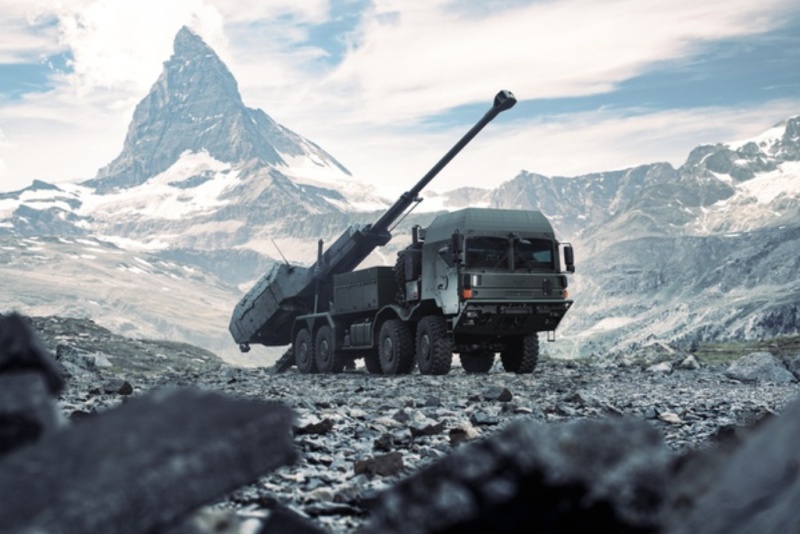
- These factories are intended to supply Poland’s own self-propelled howitzer fleet (such as the Krab and the K9 Thunder), reduce reliance on foreign suppliers, and strengthen Poland’s role in NATO’s eastern flank.
Strategic Importance & Implications
Defense & Geopolitical Strategy
- The war in Ukraine has placed intense demand on 155mm artillery shells, a standard NATO caliber that is heavily used in modern artillery duels. Poland (like other NATO members) has felt pressure both to supply Ukraine and to maintain its own readiness. Increasing production addresses both.
- Poland’s move is part of a broader European trend: boosting munitions manufacturing capacity domestically, reducing dependency on imports, and building industrial sovereignty in defense supply chains.
- By choosing BAE, Poland gains not just factories, but technology transfer and capacity amplification. This matters in periods of supply chain stress or geopolitical tension when imports may be delayed or cut.
Industrial & Economic Angles
- Building and operating three new shell factories will create jobs (both direct and in upstream supply chains), require investment in infrastructure, procurement of specialized equipment (for shell casting, forging, propellant, fuzes, primers), automated lines, etc.
- Automation is emphasized, which should help with output scaling, consistency, and possibly lower unit production costs over time once the initial capital expenditure is absorbed.
- The deal has long-term effects: Poland is investing not just for immediate output but to build sustainable, sovereign capacity. Having licensing/technology ownership helps with future modifications, exports, and possibly R&D (longer-range or advanced shells).
What This Means for Investors & Defense Firms
Here are implications, opportunities, and risks to monitor.
| Area | Potential Opportunities / Upside | Risks / Things to Watch |
|---|---|---|
| BAE Systems | This expands their role not just as a defense contractor supplying finished shells, but as a technology provider, licensor, and long-term partner in Poland’s industrial base. Recurring revenue from support, upgrades, automation, possibly spare parts, etc. | The ramp-up will cost; performance vs. contract schedules will matter. Delay or cost overruns could harm margin or reputation. Also, managing transfer of sensitive tech and IP in export compliance, etc. |
| PGZ and Polish Defence Industry | Huge industrial upgrade, capacity growth, job creation. Becoming a hub in NATO for shell production. Potential for exports once domestic needs are met. | Must absorb new tech, ensure quality, scale, maintain fuelling, supply chains for propellant, fuzes etc. Ensuring skilled workforce. Regulatory / environmental / safety hurdles could slow factories. |
| Defense Supply Chain (Propellants, Metals, Components, Automation) | Demand for metals, forging, machining, automated production lines, sensors, quality systems, packaging, shipping, etc., will increase. Suppliers in these areas could benefit. | Supply chain bottlenecks, cost inflation, scarce specialty materials/components (e.g. specific steel grades, precision parts). Energy cost and regulatory cost may impact operating expenses. |
| NATO / European Defense Sector | Poland’s increased capacity eases burden on other nations; could allow rebalancing of defense budgets, joint procurement, or standardization. Firms operating in EU may get more contracts or join consortia. | Competition among suppliers will increase. Quality / standardization / regulatory compliance will be stricter. Also, political risk — subsidies, export licenses, etc., may become contentious. |
| Longer-Term Value for Shell Producers | If Poland reaches 180k shells/yr, that’s a big addressable market. Shell manufacturers or defense primes with capacity could see elevated demand. | Demand projection depends heavily on continued use of large numbers of shells (i.e. conflict intensity) plus government spending prioritization. If conflict de-escalates or budgets shift, demand may drop. Also, logistical cost, energy costs for production, input price volatility matter. |
Key Variables & What to Track
- Factory build & commissioning timing. When do the new plants come online, when do they reach full production capacity?
- Automation efficiency. How quickly can Poland scale from modest numbers (5,000 shells recently) to tens/hundreds of thousands per year? Also quality control and consistency, especially as shells must meet NATO specifications for safety, ballistics, etc.
- Cost of production vs. price. Unit cost per 155mm shell (including propellant, fuzes) when using new plants & automation. Will Poland be competitive globally? Does the deal allow them export margins?
- Workforce and supply chain readiness. Skilled labor, raw materials, component suppliers (fuzes, primers, propellants, steel), downstream logistics, energy costs.
- Regulatory / environmental / safety oversight. Shell production involves explosives, hazardous materials, high energy, emissions; local/regional regulations could delay or impose cost burdens.
- Defense policy and budget stability. Will Poland maintain funding and political will over years required? Will NATO/EU cooperation or funding support offset risks?
Bottom Line
Poland’s partnership with BAE Systems to scale up 155mm artillery shell production is a significant strategic and industrial move. It addresses acute defense needs, follows the trend of bolstering domestic production, and leverages technology transfer and automation to rapidly boost outputs. For investors / defense firms, the opportunity is in supplying technology, components, automation, and benefiting from elevated defense budgets. But execution risk is real — timing, cost control, supply chain, workforce, and regulatory factors could make or break success.