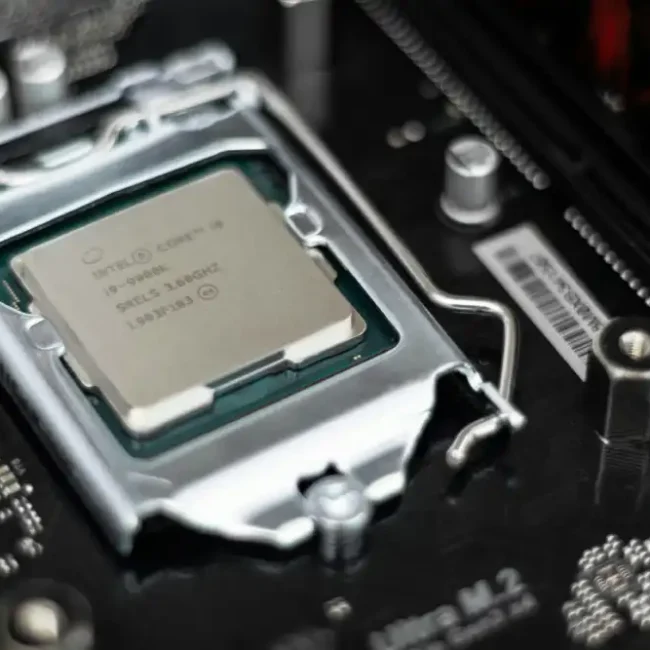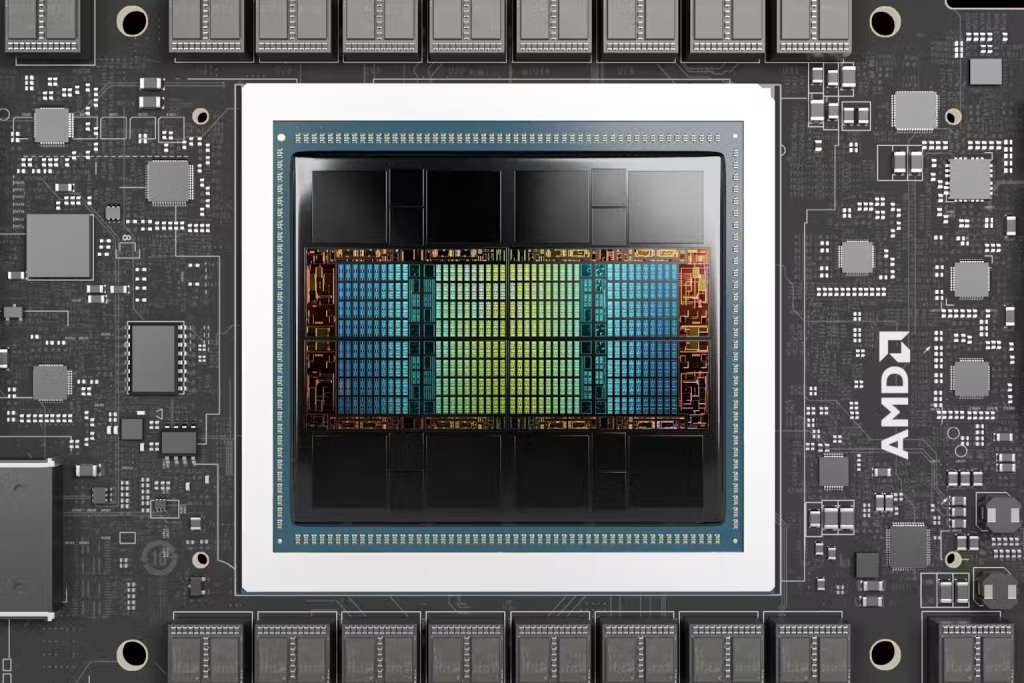
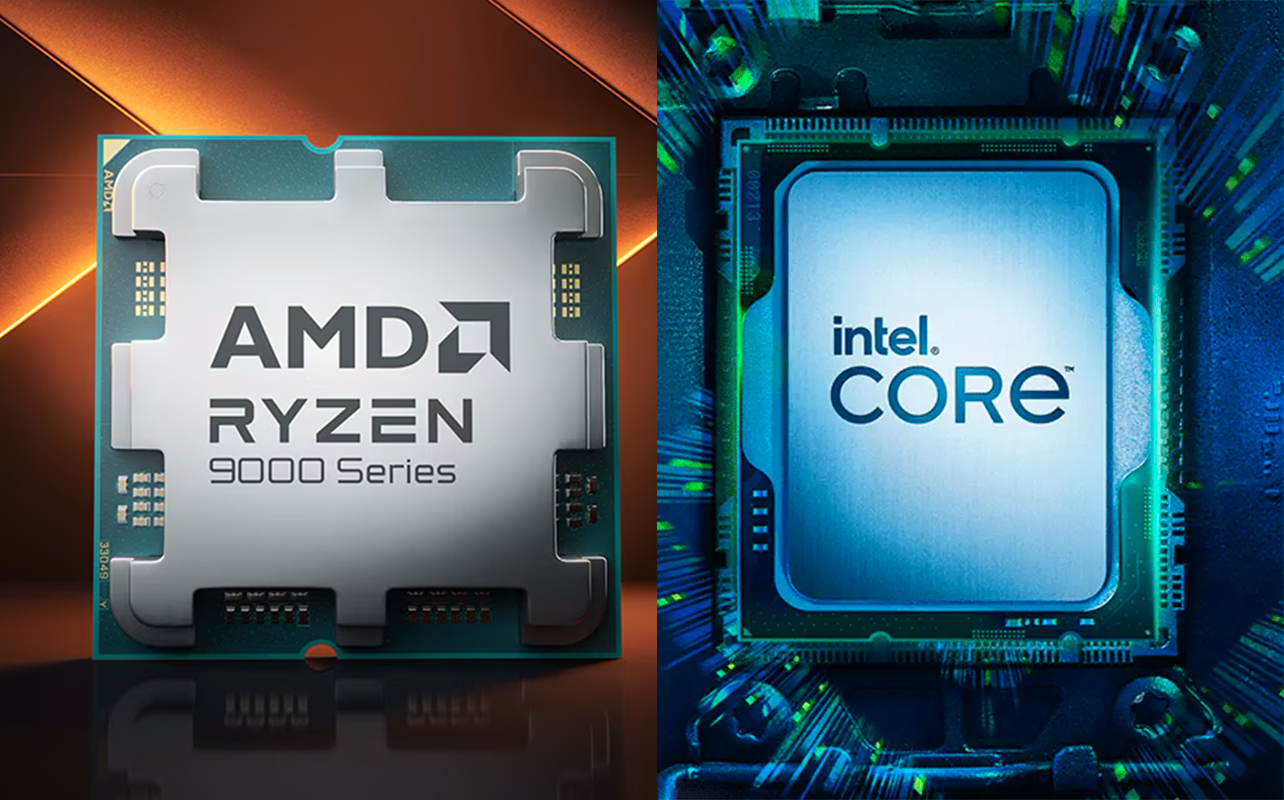
A landmark shift: AMD, traditionally both a chip designer and partial manufacturer, is apparently negotiating or entering into a deal to become a customer of Intel’s foundry services for part of its chip production. The logic: AMD wants foundry diversification, leverage, additional capacity, and risk mitigation. Intel, meanwhile, seeks to expand its foundry footprint beyond its own designs, gain utilization, and recapture lost opportunity.
This strikes at a changing industry axis: foundry vs IDM blur, alliances between former rivals, multi-customer foundry ambitions, and balance of scale vs differentiation.
Why This Is Strategic & Why Investors Should Care
1. Foundry Wars 2.0: The Big Players Are Mixing Roles
In the first era, design companies (e.g. AMD, NVIDIA) and foundries (TSMC, Samsung) were separate. Now, AMD engaging with Intel foundry means the lines blur further. AMD is hedging, Intel is repositioning as multiservice foundry, and incumbents must respond. The foundry value pool is enormous — moving a proportion of AMD’s massive silicon demand gives Intel meaningful incremental revenue and leverage.
2. Utilization / Capex Leverage for Intel
Intel has been underutilized in recent years due to weaker in-house production growth. Winning AMD as a foundry customer helps absorb fixed costs, spreads capex, and gives optionality to scale up advanced nodes. Also, if Intel’s process nodes (e.g. Intel 18A, 14A, 13A) are competitive, it positions Intel as a third foundry option global players can lean on.
3. Diversification & Risk Mitigation for AMD
By not depending purely on TSMC or outside foundries, AMD gains resilience against supply chain, geopolitical, or capacity risk. Should AMD achieve more control over its supply, it reduces single point risk exposure. Also gives it bargaining power in foundry relationships.
4. Pressure on Pure Foundrys & Contract Models
Intel’s move invites others to not just focus on traditional foundry contracts but pursue hybrid models (e.g. flexible customer roles, capacity sharing, cross-licensing). It forces foundry incumbents to reexamine margin models, customer loyalty, and R&D investments.
Investment Plays & Positioning Considerations
Here’s how I’d think about tilting or restructuring exposure based on this development:
A. Direct / High Potential Exposures
- Intel (foundry + IDM leveraging)
If this AMD deal is confirmed, Intel’s foundry potential upsides are meaningful—higher utilization, service revenue, margin upside (less “wasted capacity”), and improved appetite from other customers. - AMD (risk-adjusted hedging / optionality capture)
If AMD’s foundry diversification succeeds, it reduces supply risk and potentially improves margins or production flexibility. It’s a more robust business model. - Third-party foundry rivals (TSMC, Samsung, UMC)
They may react—either by enhancing service, lowering margins, securing exclusivity, or accelerating node roadmap. Their competitive response matters.
B. Supporting & Enabler Exposures
- EUV / lithography / extreme ultraviolet equipment
More foundry competition means increased demand for advanced lithography tools, masks, resist, metrology—vendors in that chain benefit. - Interconnect / advanced packaging / 3D stacking firms
To differentiate, new foundry customers may demand advanced packaging (chiplets, MCM, Co-FEM), which boosts demand for those package technologies. - Materials / specialty silicon / substrate providers
Demand for high-end substrates, wafer quality, interposers will rise with foundry competition and scaling. - EDA / toolchain / IP providers
Different foundry toolchain support (Process Design Kits, cell libraries) may be required; companies offering PDKs, IP blocks, certification tools may capture higher demand.
C. Watch / Guarded Exposures
- Pure-play foundries with narrow moats
Those with less process differentiation or inflexible capacity may see margin pressure in the face of competitive foundry deals from Intel. - Design houses overly reliant on single foundries
If AMD or others diversify, design houses locked into one foundry may incur switching costs or margin erosion pressures.
Risks, Challenges & Execution Pitfalls
- **Process competitiveness **
Intel must deliver process nodes (density, yield, performance, power) that are competitive with TSMC / Samsung; otherwise, customers won’t commit much volume. - Integration / qualification risk
Migrating AMD designs (IP, libraries, validation flows) to Intel foundry involves requalification, interoperability, and risk of defects or delays. - Customer conflict / contractual friction
AMD has relationships with other foundries; conflicts of interest, non-compete clauses, or priority allocation issues may surface. - Capital & scaling risk
Intel may need further capex to absorb AMD volumes, maintain node roadmap, and ensure supply capacity—capex burden could stress balance sheet. - Competitive alliance retaliation
TSMC, Samsung, or other IDM/foundry players may respond aggressively with pricing, incentives, exclusivity, or locking in customers to avoid defections.
Scenario Models & Valuation Impact
| Scenario | Assumptions | Outcome / Upside | Breakpoints / Risks |
|---|---|---|---|
| Base | AMD shifts a portion of volume to Intel; Intel ramps foundry services moderately; yield and integration challenges reduce marginality | Moderate uplift in Intel foundry revenues; slight margin expansion; diversified AMD supply risk lowered | First AMD volume orders, yield trajectories, contract terms |
| Upside | Intel delivers competitive node performance; AMD transitions large share; other clients join Intel’s foundry; scale economies kick in | Strong multiple rerate on Intel; foundry becomes credible; AMD’s cost structure improves; packaging / IP ecosystem boon | Major foundry win announcements, customer commitments, volume growth, margin expansion |
| Downside | Technical or yield failures; AMD renegotiates or retreats; foundry volumes don’t materialize | Costs incurred without offset revenue; weaker-than-expected margin expansion; competitive losses | Delayed volume ramp, yield shortfalls, customer defections, competitive pushback |
What to Monitor & Advanced Signals
- Formal AMD-Intel contract terms and volume commitments.
- Yield, defect rates, first silicon validation dates for AMD designs on Intel nodes.
- Intel’s foundry utilization metrics, backlog, expansion plans.
- Reactions from other foundry players (e.g. TSMC, Samsung) in pricing, capacity expansion, incentives.
- Advanced packaging / interconnect requests tied to AMD designs.
- Market share movement: whether AMD’s product roadmap suddenly leans on Intel-branded nodes.
- Patent / IP cross-licensing arrangements, PDK licensing, toolchain support for AMD on Intel nodes.
Bottom Line
The reported Intel-AMD foundry deal is a powerful signal that the next chapter of semiconductors is one of cross-architecture alliances, foundry diversification, and new source leverage. For Intel, absorbing AMD volume is a path to monetize idle capacity and regain foundry relevance; for AMD, it’s supply security and bargaining flexibility. The winners will be those who control the memory, packaging, toolchain, reliability, and integration pipelines—not just the compute cores. Betting on those adjacent layers often yields more durable return than chasing the headline deal.