
All three stories are spinning around risk, credibility and structural shifts in macro and industrial backdrops.
- The Fed-chair shuffle (Hassett) could lower rates, shake up global asset flows, and re-price risk assets.
- Oil’s continued strength on supply discipline reminds us how raw-commodity cycles and geopolitics still punch far above in financial markets.
- The Anduril drama shows that tech + hype only carries you so far — once you have to deliver real, reliable hardware, execution matters even more than vision.
For an investor, the clear strategy is:
Lean into macro themes and big structural assets — energy, bond-rate plays, stable defense/energy firms — but treat high-beta, hype-heavy names with caution. Expect volatility. Bet on credibility, not wishful thinking.
Good: Kevin Hassett being floated as front-runner for next Federal Reserve chair

Whats Up?:
According to recent reporting, Hassett — head of the White House National Economic Council — is widely viewed as the leading candidate to replace Jerome Powell, whose term ends in 2026. Bloomberg
The speculation has already moved markets: yields on U.S. 10-year Treasuries dipped on the suggestion, as traders priced in a potential shift towards looser monetary policy under a new, more dovish Fed chair. The formal nomination hasn’t been announced yet, but signals from the administration suggest a decision could be made before the end of the year. MarketWatch
Bottom line: the Fed may be about to pivot — and the market is already discounting a higher chance of rate cuts or easier credit.
What’s Next:
- Interest rates & bond yields may fall — If Hassett is confirmed, markets expect a more dovish stance. That could push yields down, which tends to boost fixed-income and interest-rate sensitive assets (real estate, REITs, high-dividend equities).
- Risk-on sentiment could return to equities — Lower rates often favor growth stocks, especially those reliant on cheap capital or long-term discounting.
- Currency and global spillover effects — A dovish Fed could weaken the USD. Emerging markets, commodities, foreign currency assets might see inflows.
- Volatility until confirmation — The interim period (“shadow Fed chair” while Powell still serves) could be noisy: bond auctions, macro data, and every comment from Hassett or the White House may cause swings.
What Can You Do?:
Long interest-rate-sensitive or yield assets: Think REITs, utilities, long-duration bonds — these tend to rally if rates drop.
Growth stocks / tech & rate-heavy sectors: Lower rates can be a tailwind; might add or top up existing positions before official confirmation, with tight stops.
International and commodity plays: If USD weakens, foreign equities, commodities and emerging-market debt or equity might do well.
Hedge for volatility: Until confirmation, yields may bounce around. Consider hedging via options or keeping some cash ready to re‐enter on dips.
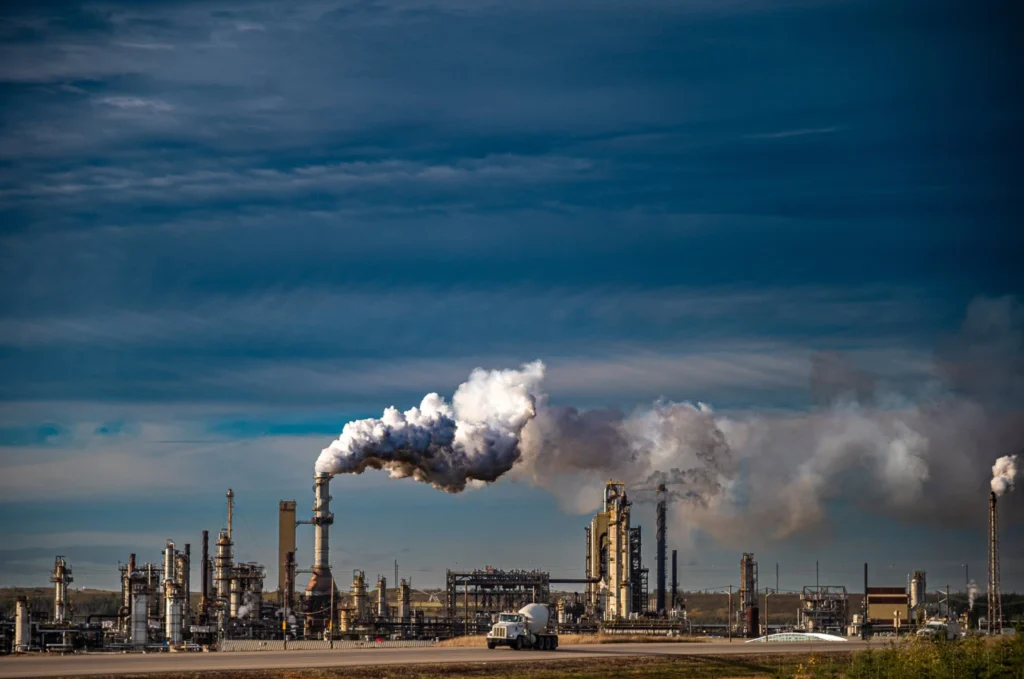
Bad: Oil climbs as OPEC+ reiterates a production pause
Whats Up?:
Oil prices popped after OPEC+ — the cartel + partners — again held off on ramping production, signaling supply discipline for now. That has tightened near-term expectations for global crude supply. The Wall Street Journal
Amid rising geopolitical tensions and demand uncertainty, the decision to pause output increases helped push oil futures higher, as traders priced in potential supply squeezes.
What’s Next:
- Upward pressure on crude prices in near-term — With supply growth curtailed and demand still chugging (especially in energy-hungry economies), oil may climb from current levels.
- Margin windfalls for oil producers and energy firms — Higher oil spreads benefit upstream producers, midstream operators, and energy service companies.
- Inflation & rate-sensitive ripple effects — If oil stays high or volatile, it could feed through to energy prices, transportation costs, and eventually consumer inflation — which may complicate the dovish Fed narrative (see story 1).
- Volatility remains high — Oil is always a geopolitical & macro play; any disruptions (Middle East, supply-chain issues) or demand shocks (slow global growth) could swing prices hard.
What Can You Do?:
- Upstream energy producers & E&P firms — Increase exposure to firms with low break-even costs or diversified global production.
- Energy-service & midstream companies — Pipelines, transport, infrastructure that benefit from sustained activity and high utilization.
- Commodities & inflation hedges — Hard assets, commodity-linked equities, or energy-linked ETFs may act as a hedge against inflation or currency weakness if Fed eases.
- Keep an eye on cost & demand risks — If demand softens or geopolitical calm returns, prices could drop — careful with leverage or high-beta energy names.
Ugly: Ottawa’s energy minister, B.C., and the new pipeline/LNG fight

Whats Up?:
Anduril — part of the new wave of Silicon Valley-style defense contractors building AI-driven weapons and autonomous defense systems — is reportedly suffering from glitches, reliability issues and setbacks in its weapons-system deployments. The WSJ headline bluntly says: “We do fail … a lot.” The Wall Street Journal
The problems span sensor failures, faulty components, and integration issues. For a young firm that sells on cutting-edge, high-tech defense systems, this undercuts its core pitch. Anduril has been one of the highest-profile “disrupt-defense-tech” names — but now investors are asking whether its hardware and reliability can match its hype.
What’s Next:
- Reduced investor confidence in defense-tech startups: If Anduril can’t deliver reliable systems, funding for similar defense/hardware-heavy startups will get harder to come by.
- Defense procurement scrutiny: Governments may demand more rigorous testing, longer trials, and higher reliability standards — which could slow down contracts or increase costs.
- Valuation reset for Anduril & peers: The valuation premium for “skateboard-to-tank” defense-tech may shrink; investors may favor traditional, proven contractors again.
- Barrier to entry tougher for new entrants: The “fail fast, iterate” mindset struggles when lives and national security are involved. Startups without strong defense-grade testing pipelines may not survive.
What Can You Do?:
- Avoid or underweight pure-play defense-tech startups that haven’t proven reliability. The “moonshot” upside is tempting but risk is high.
- Lean toward established defense primes (traditional contractors) with track records of delivering robust, tested hardware — they may get renewed interest as governments shift toward reliability over hype.
- If you believe in long-term transformation, selective small stakes only: Maybe keep a tiny exposure in companies that are building defense-tech but also have diversified business lines (software, services).
- Watch for consolidation or M&A: If bigger guns buy smaller, busted-startup assets, there might be value — but that’s more of a speculative recovery bet, not a core thesis.