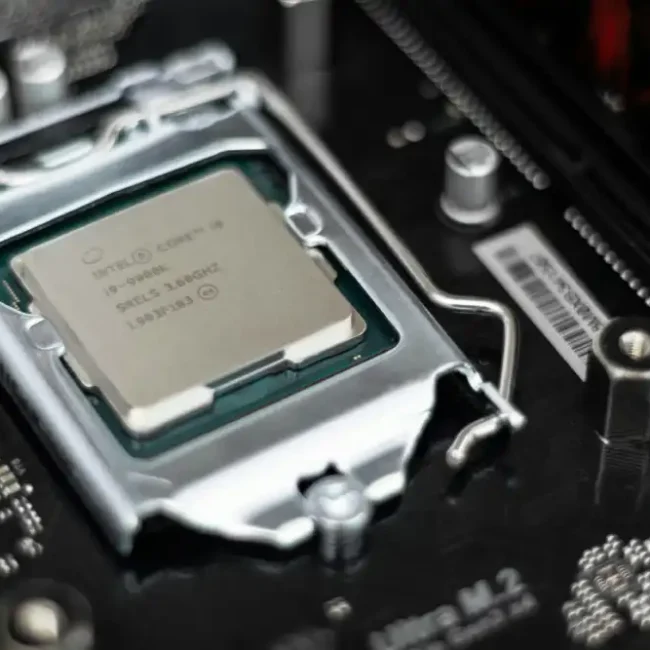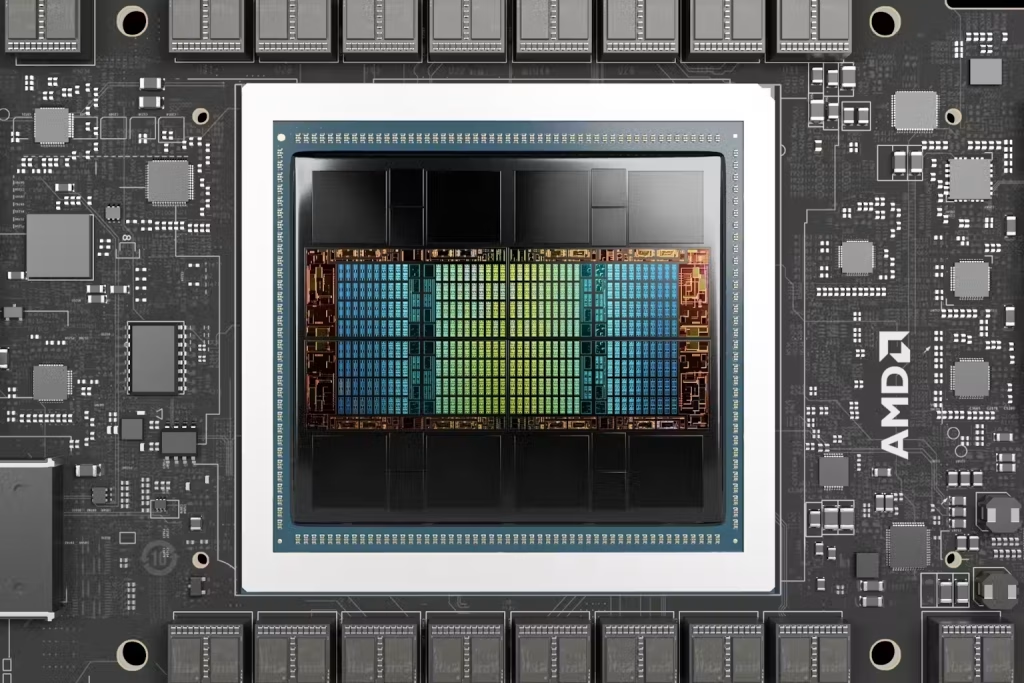

Alright bro — so what’s the through-line? These three stories all point to structural shifting risk-and-reward frontiers: from the Arctic shipping lanes opening up (infrastructure + environment), to the quantum/tech arms race between the U.S. and China, to a major sovereign’s debt and currency stress (Japan) threatening the traditional “safe part” of portfolios. For investors that means: you’ve gotta stretch beyond the obvious, pay attention to infrastructure build-out, technology sovereignty, and fiscal/sovereign risk, not just company-by-company stories. The sweet spots right now are companies that enable these shifts (Arctic-logistics, quantum hardware, export-oriented Japanese firms) and hedges for the spots under pressure (government bonds, domestic-only companies, weak-currency exposures). If you stay ahead of the infrastructure + technology + fiscal-stress themes, you’ll be surfing the next wave rather than getting caught in the drift.
Good: Shipping companies call on Ottawa for better Arctic infrastructure
Whats Up?:
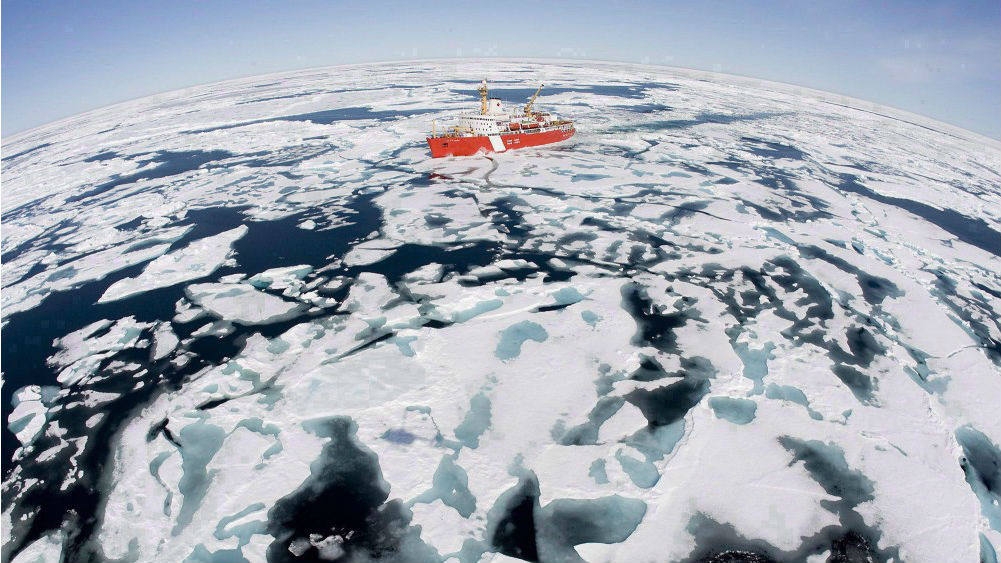
Shipping firms operating in the Canadian Arctic are raising a red flag: they need better mapping, improved navigation systems, and infrastructure to safely and efficiently use emerging northern sea routes. Recent reports highlight that commercial traffic in the Arctic (especially through the Northwest Passage and other seasonal corridors) has surged—ships are making longer voyages as ice thins.
One example: The Arctic Council data show the number of unique ships sailing in the Polar Code area nearly doubled from 2013 to 2023 and the distance travelled more than doubled. Arctic Council
Companies say: “Cool, we can use these shorter/alternative routes, but only if the support systems (ice monitoring, charts, search & rescue) are upgraded.”
What’s Next:
- Longer navigation seasons + new route options: As Arctic ice recedes, new corridors open. That can shorten transit times between e.g., Asia and Europe via the Northern Sea Route, potentially lowering shipping costs. thearcticinstitute.org
- Increased capital/investment for infrastructure: Governments (Canada, Russia, Nordic countries) and private players may need to invest in port expansions, ice-class vessels, satellite monitoring, mapping systems. That means upstream businesses (vessels, navigation tech, ice-breaker services) get tailwinds.
- Regulatory & ESG risk increases: More traffic in sensitive ecosystems means higher regulatory scrutiny (environmental impact, indigenous rights, ice hazards). For shipping companies that can’t adapt, risk of stranded assets or higher insurance costs.
What Can You Do?:
Shipping/venture exposure: If you want to lean in, look for companies with “ice-class” fleets, Arctic navigation experience, or that supply mapping/monitoring tech in the North. While large listed names may be few, niche service providers may benefit.
Insurance/maintenance/technology play: Companies that provide specialized navigation systems, remote sensing, satellite imagery, ice-hazard tracking might see growth.
Commodity play: If Arctic routes open longer, it could shift freight cost structures for bulk shipping (e.g., LNG from Russia’s Yamal or minerals in Canada). That impacts commodity transport stocks and maybe the underlying commodity producers.
Risk caution: This is long-horizon; the physical/operational risk is high. So as an investor, treat it as optional exposure — not comfortable core holding unless you really believe in Arctic infrastructure build-out.
Bad: U.S. warns that China’s quantum & critical-tech push pose security risks

Whats Up?:
A U.S. advisory panel (the U.S.-China Economic and Security Review Commission) has issued a strong warning: China is advancing rapidly in quantum computing/communications, biotech, legacy semiconductors and supply-chain dominance, and the U.S. must respond now.
Key findings:
- China controls very high shares of heavy rare-earths and has aggressively pushed quantum/AI hardware.
- The panel recommends swift action from Congress: create an “Economic Statecraft” entity, bolster export controls, accelerate quantum leadership. Barron’s
- The message: quantum era is not far off; encryption, national security, supply chains are all vulnerable.
What’s Next:
- Massive capex in quantum/AI/defence tech: Governments and private firms will likely pour money into quantum hardware, post-quantum cryptography, secure communications, and semiconductor self-sufficiency.
- Supply-chain realignment: Companies reliant on China for key inputs (rare earths, chips, optics) will face risk. Alternative suppliers, localisation, resilience become premium.
- Regulatory & strategic risk for tech companies: Firms that don’t have quantum-safe strategies or that depend on vulnerable supply chains may face slower growth or higher risk premiums.
- Defence/dual-use spillover: This isn’t just a research topic — quantum communications, encryption, and advanced chips have military/spy applications. That may mean new government contracts, export controls, and shifts in competitive landscape.
What Can You Do?:
- Quantum/tech enablers: Look at companies specialising in quantum hardware (superconducting qubits, photonics), quantum-safe encryption, advanced semiconductors. If you believe the quantum race is real and near-term (<5-10 yrs), early exposure may pay off.
- Supply-chain diversification plays: Firms that provide alternative rare-earth processing, chip manufacturing outside China, or secure communications gear may benefit.
- Risk management for tech/defence portfolios: If you hold companies heavily exposed to China supply or weak encryption posture, hedge accordingly. Tech valuations may be vulnerable if quantum risk becomes market-recognized.
- Time horizon caution: Though urgent, quantum is still early stage. Don’t assume big profits overnight; this is a multi-year thematic. Good pick for position sizing accordingly.
Ugly: Japan’s bond rout deepens as fears grow over PM Takaichi’s fiscal stimulus package
Whats Up?:
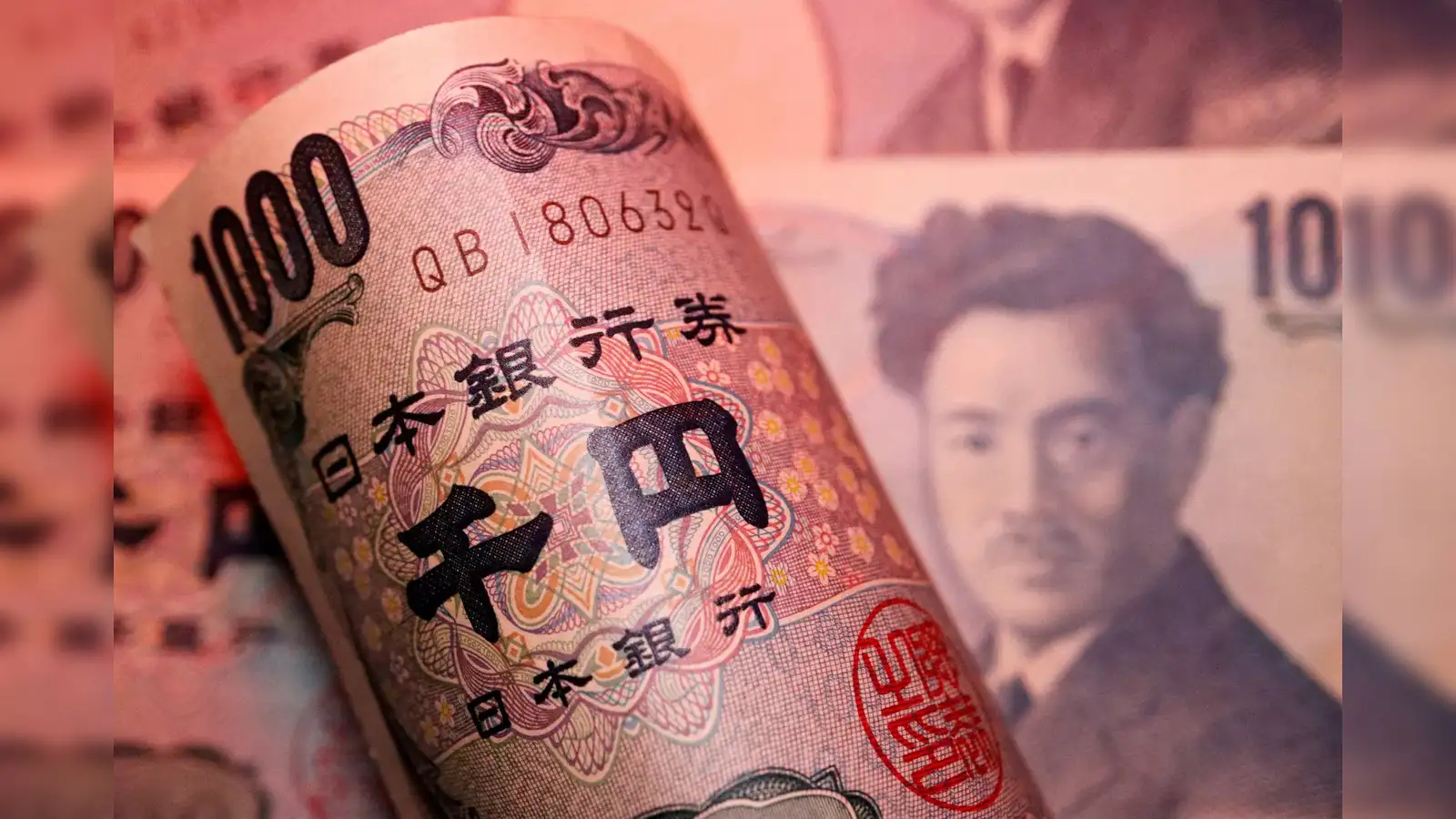
Japan’s government bond market is having a rough ride: yields on long-maturity Japanese Government Bonds (JGBs) are hitting multi-decade highs amid concern that Prime Minister Sanae Takaichi will roll out a huge stimulus/fiscal package(estimates ~¥25 trillion or more) that would add even more to Japan’s already vast debt pile (~¥1 quadrillion). The benchmark 10-year yield touched ~1.78% (highest since 2008) and 20-/30-year yields rose sharply; the ¥ depreciated past ¥155 per USD. Financial Times
Key context:
The Bank of Japan’s bond-buying backstop is less reliable now; investors are questioning Japan’s fiscal trajectory.
The market expects increased supply of long-dated bonds just as demand from traditional Japanese buyers (insurers, pension funds) is weakening.
What’s Next:
- Rising yields / borrowing costs: For Japan, higher yields means more interest expense, less fiscal flexibility, slower growth. For Japanese firms/households, cost of capital goes up.
- Yen weakness & capital flows: As yields rise and risk perception increases, the yen may weaken further, and foreign investors may seek carry trades (borrow yen, invest elsewhere). That has implications for Japanese equities and import costs.
- Global risk spillover: Japan is a large economy and a major creditor; instability in JGBs or the yen can ripple to global bond markets, FX markets, and carry trades.
- Opportunity & danger for investors: Bond investors might see sell-off pricing; equity investors in Japan might face headwinds (costs, currency), but exporters may get currency boost.
What Can You Do?:
- Japanese bonds / bond funds: This is a warning: long-dated JGBs carry more risk than many assume. If you hold Japanese govt debt or funds with large exposure, expect volatility.
- Japan equity via exporters: While domestic Japan may struggle, firms with global earnings (exporters) could benefit from a weaker yen if they can offset higher cost of capital.
- FX / carry trade strategy: If you believe the yen will weaken further, you could consider strategies that short yen / long higher-yield currencies — but risk is high if Japan intervenes.
- Global diversification & risk management: Because Japan often plays a stabiliser role in global portfolios, but now shows cracks, you might want to rebalance away from relying too much on Japanese bonds as “safe” assets.
Theme A: Arctic Shipping / Infrastructure
Key thesis: As ice recedes and Northern Sea Routes (NSR) open up, shipping/infrastructure companies tied to Arctic navigation, ice-class vessels and mapping/monitoring tech could benefit. Arctic Council
Picks
- A.P. Møller‑Mærsk (MAERSK‑B.CO) (ticker: MAERSK-B.CO) — Danish shipping/containers logistics giant.
- Why: Mentioned explicitly as participating in Arctic trials.
- Metrics to watch: fleet utilisation in cold routes, ice-class vessel investment, freighter/day rates on Arctic corridors, cost per voyage when using NSR vs Suez.
- Potential specialist/tech play: A supplier of navigation/ice-monitoring/Arctic vessel equipment (not always large public names) — pick one via screening firms in “marine-services Arctic” space.
How to size/monitor
- Entry trigger: announcements of Arctic contracts, NSR pilot voyages, ice-breaker fleet expansions.
- Risk factors: regulatory delays, ice conditions still problematic, route economics may not beat traditional routes until scale.
- Position size: modest. This is niche and long-horizon.
Theme B: Quantum Tech / Supply-Chain Sovereignty
Key thesis: With rising nation-state concern over quantum computing, encryption and critical tech supply chains, companies building quantum hardware/software and supply-chain alternatives are positioned for structural growth. The Quantum Insider
Picks
- IonQ (IONQ) (ticker: IONQ) — one of the few pure-play quantum computing publicly traded.
- Metrics to watch: qubit count advancement, commercial contracts (cloud quantum), revenue growth, cash burn, profitability timeline.
- Microsoft (MSFT) (ticker: MSFT) — major tech platform with “Azure Quantum” initiative, supply-chain resilience, broad quantum/AI exposure.
- Metrics: R&D spend on quantum, platform monetization, margin stability while building for quantum/AI future.
- IBM (IBM) (ticker: IBM) — heritage tech firm with quantum hardware/software investment; less growthy but more stable.
- Metrics: quantum division revenue, servicing deals with governments/defense, margins.
How to size/monitor
- Entry triggers: government quantum procurement wins, breakthroughs (fault-tolerant qubits), post-quantum cryptography standards adopted.
- Risk: very long horizon, many pure-plays unprofitable, quantum hype > near-term revenue.
- Strategy: core (MSFT/IBM) + satellite (IONQ) — smallish bet on the satellite.
Theme C: Japanese Exporters / Fiscal Exposure
Key thesis: With Japan’s fiscal stress, weak yen and export tailwinds, certain Japanese exporters stand to benefit while domestic‐only/weak currency players may suffer.
Picks
- Toyota Motor Corporation (7203.T) (ticker: 7203.T) — top Japanese automaker, global exposure, benefits from weak yen. Financial Times
- Metrics: overseas sales growth, margin impact of currency translations, yen/dollar sensitivity (every ¥1 move = multi-¥ billions profit diff).
- Sony Group Corporation (6758.T) (ticker: 6758.T) — diversified electronics/consumer/gaming business with export exposure.
- Metrics: overseas revenue mix, currency translation gains, operating margin resilience.
- Japan Export & Investment Corporation (JETRO) – not a pure public stock — maybe skip; instead consider a Japanese export-oriented ETF.
- Metrics: yen exchange rate trends, BOJ policy changes, bond yields/yields differential.
How to size/monitor
- Entry triggers: further yen depreciation beyond current levels, export orders pickup, positive FX translation in earnings guidance.
- Risk: yen reversal, higher import inflation for Japanese firms, domestic weakness.
- Approach: tilt export-heavy names, avoid domestic-only/consumer-inflation-sensitive names.
✅ Quick table summary
| Theme | Sample tickers | Key metrics to track |
|---|---|---|
| Arctic shipping/infrastructure | MAERSK-B.CO (MAERSK) | Ice-class fleet growth, NSR voyages, route cost savings |
| Quantum tech/supply-chain | IONQ, MSFT, IBM | Qubit count, contracts, revenue growth, cash burn |
| Japanese exporters/fiscal | 7203.T (Toyota), 6758.T (Sony) | Export sales growth, currency translation gains, yen rate |