
Alright bro: Threading these together, policy, power, and posture. Canada’s hint to ditch an oil & gas cap in favor of carbon pricing + CCS is a bet that markets and tech can decarb heavy industry without blunt quotas. SoftBank–OpenAI’s JV shows AI’s next leg is localized, circular commercialization—money funds models, models feed the investor’s own portfolio, then spill to the market. And on the hard-security side, experts warn that resuming U.S. nuke tests would weaken, not strengthen, deterrence—shifting spend toward sensors and defenses rather than mushroom clouds. Investor playbook: accumulate industrial decarb enablers (CCS hubs, CO₂ pipelines), ride Japan-focused AI services + data vendors, and keep a defense-tech sleeve in sensors/C2 while trading around policy headlines.
Good: Canada flirts with dropping the oil & gas emissions cap
Whats Up?:
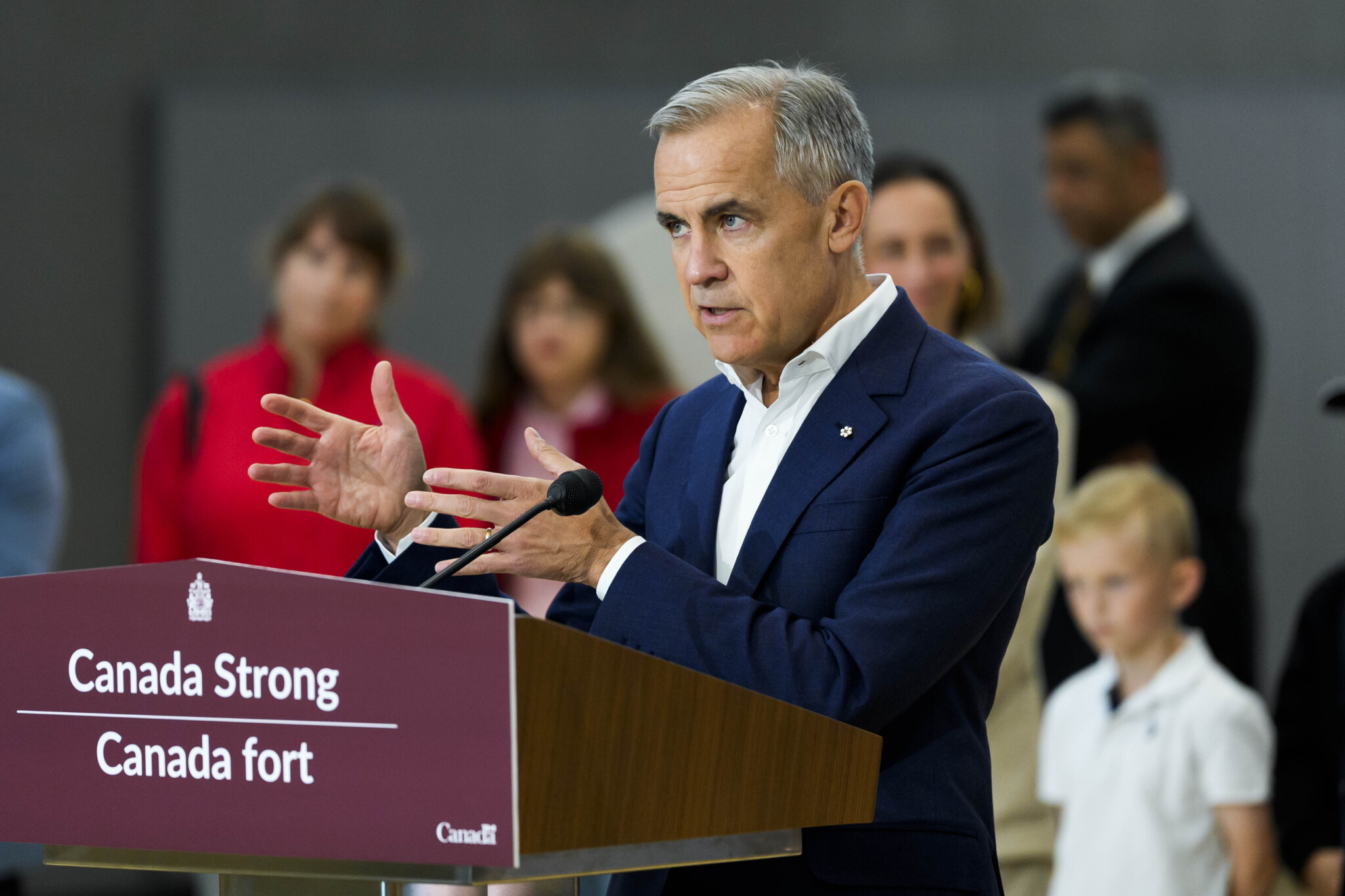
A fresh budget outline signals Ottawa could scrap the planned cap on oil & gas emissions, pivoting instead to tighter industrial carbon pricing and a bigger push on CCS and other tech fixes to hit climate targets. The cap was never legislated and faced fierce industry/provincial pushback; the new stance effectively trades a hard cap for price signals + tech carrots.
Context: Canada has already zeroed the retail fuel charge (consumer carbon tax) this year, while keeping industrial pricing in place — and it’s under pressure to still meet its 2030 goal without that consumer levy.
What’s Next:
- Policy certainty shifts to pricing: If the cap goes, investors will underwrite projects off carbon price trajectories + CCS credits, not off a looming cap. That can unfreeze some upstream and midstream capex. Reuters
- Regional politics still bite: Provinces with weaker local pricing schemes remain flashpoints; Ottawa hinting at national standards enforcement keeps a federal–provincial tug-of-war alive. Reuters
- Targets vs. timelines: Canada’s path to its 2030 target is already tight; relying more on CCS and methane cuts raises execution risk (permits, storage, project finance).
What Can You Do?:
- Own the pipes & credits, not just pumps: Screen for CCS hubs, CO₂ pipelines, Class VI storage plays, and EPCspositioned for capture retrofits; these monetize with or without a cap. Reuters
- Hedge with power & gas midstream: If oil sands and gas throughput hold up under pricing-not-caps, midstream (pipes, terminals, storage) and power for capture are the sleeper winners. Reuters
- Policy calendar trades: Watch the budget vote, provincial alignments, and CCS ITC extensions; each is a catalyst for Canadian energy beta and carbon-credit names.
Bad: SoftBank × OpenAI form a 50/50 JV in Japan (“circular” AI deals go local)

Whats Up?:
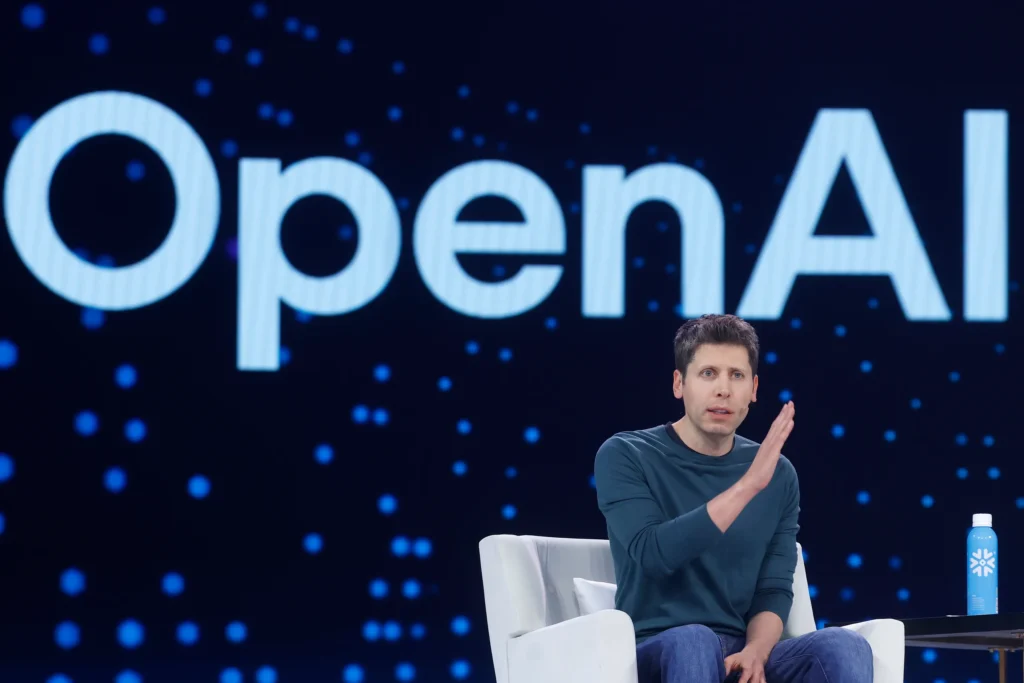
SoftBank and OpenAI launched a 50/50 joint venture, SB OAI Japan, to localize and sell OpenAI’s enterprise stackinto Japanese corporates. They’re branding a packaged product “Crystal intelligence,” and SoftBank itself is the first customer, pledging to deploy it across its empire (it claims 2.5M custom ChatGPT instances already in internal use). The move exemplifies today’s “capital-comes-back-home” AI model: investor funds the model maker, forms a JV to resell it, then becomes the anchor customer.
What’s Next:
- Localization as moat: “Japan-ready” models + services (language, privacy, compliance) can compress sales cycles and justify enterprise pricing. TechCrunch
- Flywheel finance: SoftBank’s money funds compute + product → JV sells to SoftBank’s own units → case studies feed broader enterprise adoption. It’s vertically circular… by design. TechCrunch
- Procurement pressure on rivals: Microsoft, Google, domestic integrators now face a local champion bundling model access with on-the-ground support.
What Can You Do?:
- Pick-and-shovel beneficiaries: Consultancies, SI partners, data-governance and privacy platforms servicing Japanese enterprises will see pull-through from “Crystal intelligence.” TechCrunch
- Content & domain data sellers: Local industry datasets (finance, manufacturing, pharma) that can be licensed into the JV’s deployments gain pricing power. TechCrunch
- Second-order infra: Track Japanese GPU DC buildouts and power/cooling upgrades tied to these rollouts; equipment vendors and DC REITs are key downstream plays.
Ugly: Experts: full-up U.S. nuclear tests would backfire
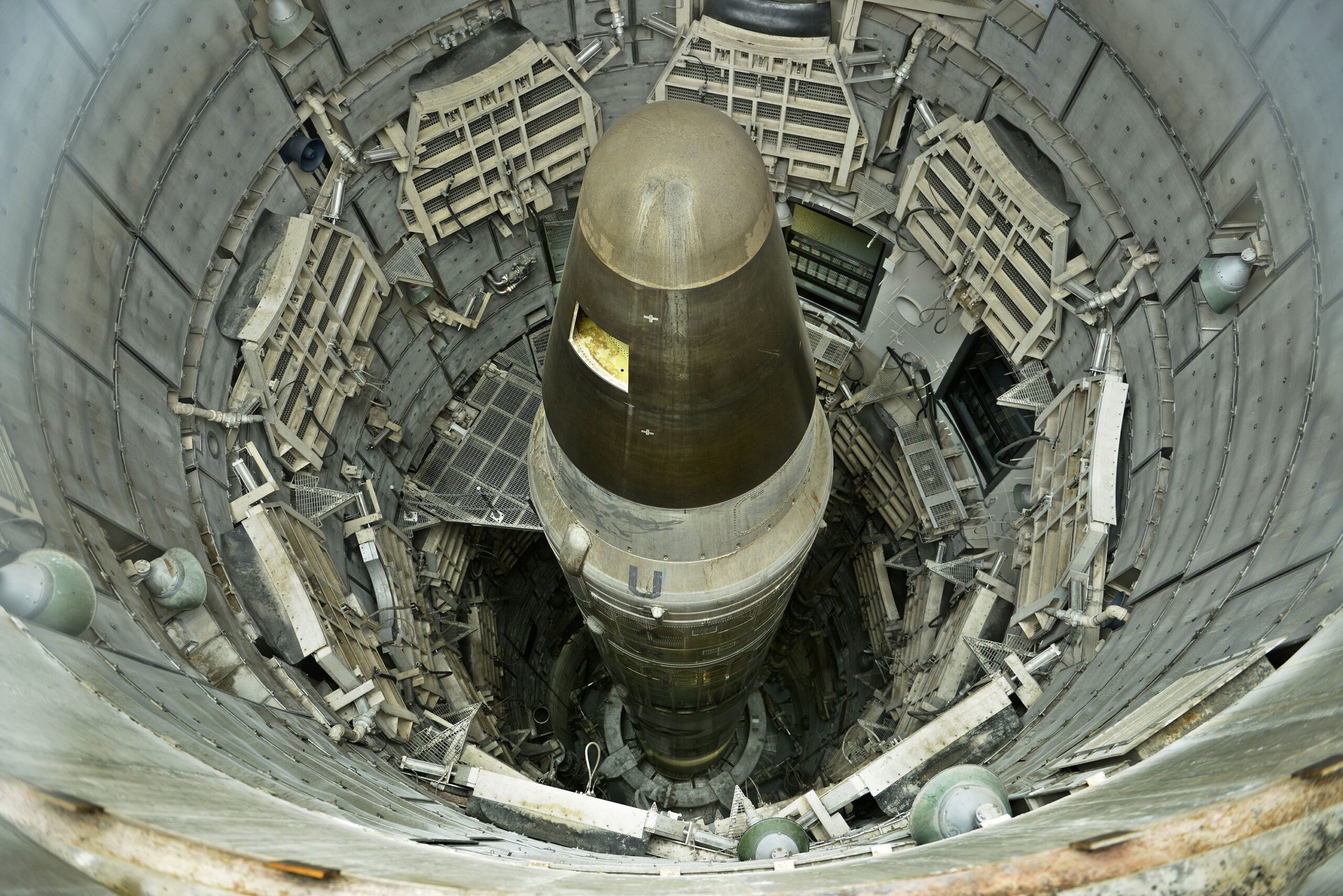
Whats Up?:
After calls from President Trump to resume full nuclear testing, arms-control specialists told Defense News it’s unnecessary and counterproductive: it would undercut nonproliferation norms, hand adversaries a pretext to test, and add costs without improving U.S. deterrence given existing simulation-based stockpile stewardship. DoD voices argue tests bolster credibility; experts counter that the U.S. already locked in an advantage from past test data and modern modeling.
What’s Next:
- Norms erosion risk: U.S. tests could trigger mirror responses (China, Russia, DPRK), complicating diplomacy and raising regional tensions. Defense News
- Budget + political drag: Testing campaigns redirect resources from NC3, delivery-system recapitalization, and conventional munitions—where near-term gaps are real. Defense News
- Insurance premium for allies: Even talk of testing can spur allied missile defense and deterrence spending, especially in Europe and the Pacific.
What Can You Do?:
- Deterrence adjacencies: Missile warning/track sensors, C2, hardening, and missile defense vendors get budget tailwinds as testing rhetoric rises. Defense News
- Arms-control services niche: Demand for verification tech, monitoring, and treaty-compliance tooling(seismic/EM, data forensics) ticks up if norms are stressed. Defense News
- Event-risk hedges: Defense primes may rally on spending signals, but headline volatility is high—structure with spreads/collars into policy milestones.