
These three angles underscore power, plateau, and policy in today’s tech + trade landscape. Hong Kong’s decision to stay neutral confirms that not every port wants to be a pawn; ChatGPT’s mobile metrics show early deceleration in growth, pushing pressure on retention and monetization; and the Anthropic vs. White House feud surfaces the tug-of-war over how AI gets governed. For investors: lean into enablement stacks (audit, compliance, monitoring for AI), favor infrastructure nodes that avoid politicization (ports, routing), and keep optional exposures in AI verticals or monetizable add-ons that can outgrow install saturation.
Good: Hong Kong won’t impose special port fees despite U.S.–China spat
What it is:
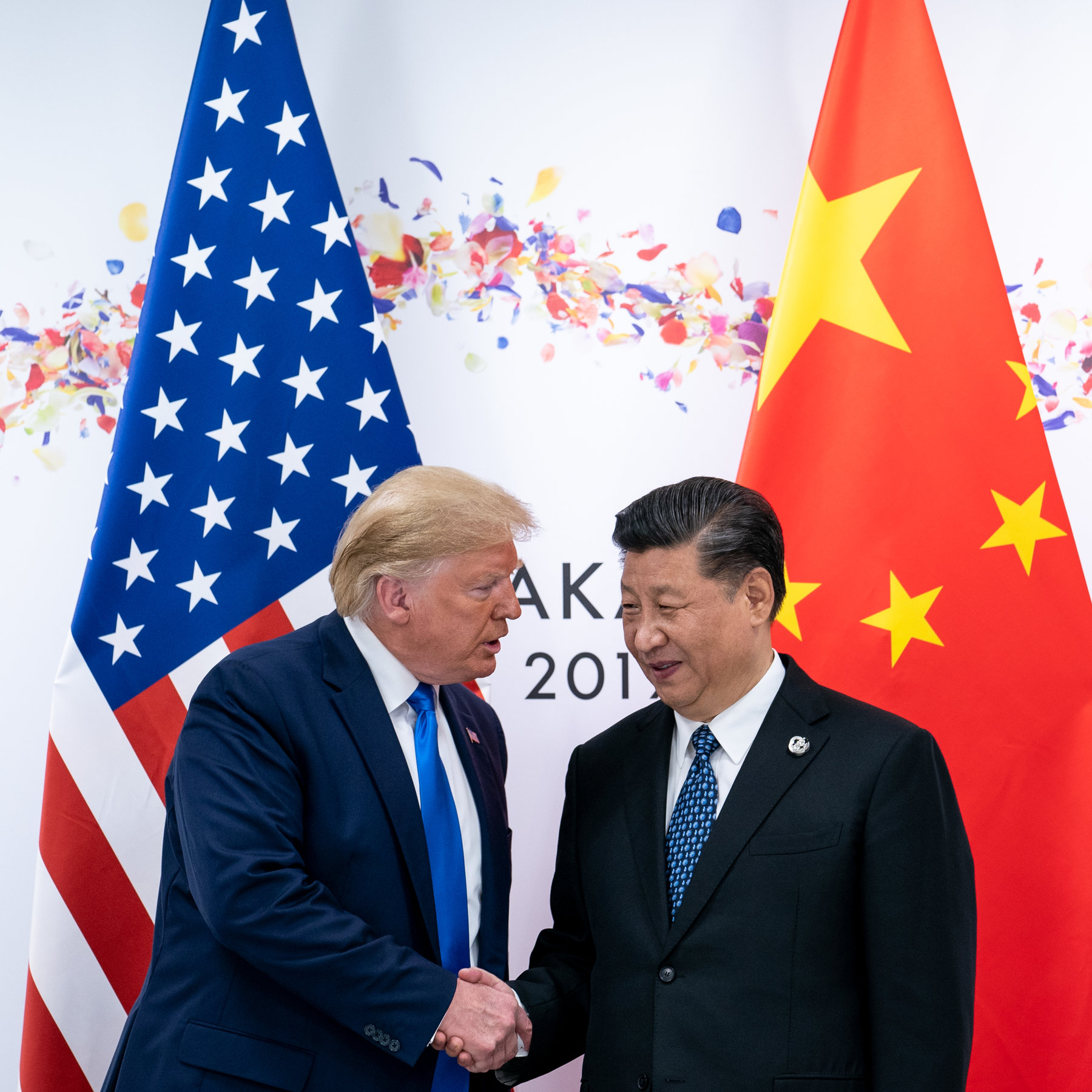
Amid a trade storm where the U.S. and China are levying retaliatory port fees on each other’s vessels, Hong Kong announced it will not impose targeted port fees on ships based on nationality. This bucks the tit-for-tat trend. China is charging fees on U.S.-aligned vessels, exempting Chinese-built ones. Hong Kong, under its “one country, two systems” stance, insists on remaining a neutral, open port hub, preserving its maritime business model rather than picking sides.
What it will do:
- Hong Kong’s maritime role insulated: By avoiding politicized fees, HK attempts to stay a preferred port of call for international shipping, reducing re-routing or avoidance of its harbors.
- Chinese/U.S. friction accentuated elsewhere: While Hong Kong holds steady, other ports may see more overt leverage, pushing shipping lines to become more nimble in flags, ownership, and routing.
- Regulatory arbitrage spotlight: Ports and jurisdictions that refuse country-based fees may gain premium status; shipping operators might shift more flows through “neutral” nodes.
How you can benefit:
- Port & terminal plays: Ports that maintain neutrality may attract incremental volume, so terminal operators in HK and other open regimes gain relative share.
- Shipping / fleet registration strategies: Lines may reflag or reorganize to port in favorable jurisdictions; companies enabling this (flag services, registry, legal) benefit.
- Maritime logistics & insurance: Risk spreads or insurance premia could vary by routing; firms investing in logistics nodes judged “safe” from geoeconomic interference get a real option premium.
Bad: ChatGPT mobile app’s growth is slowing, plateauing in daily use
What it is:
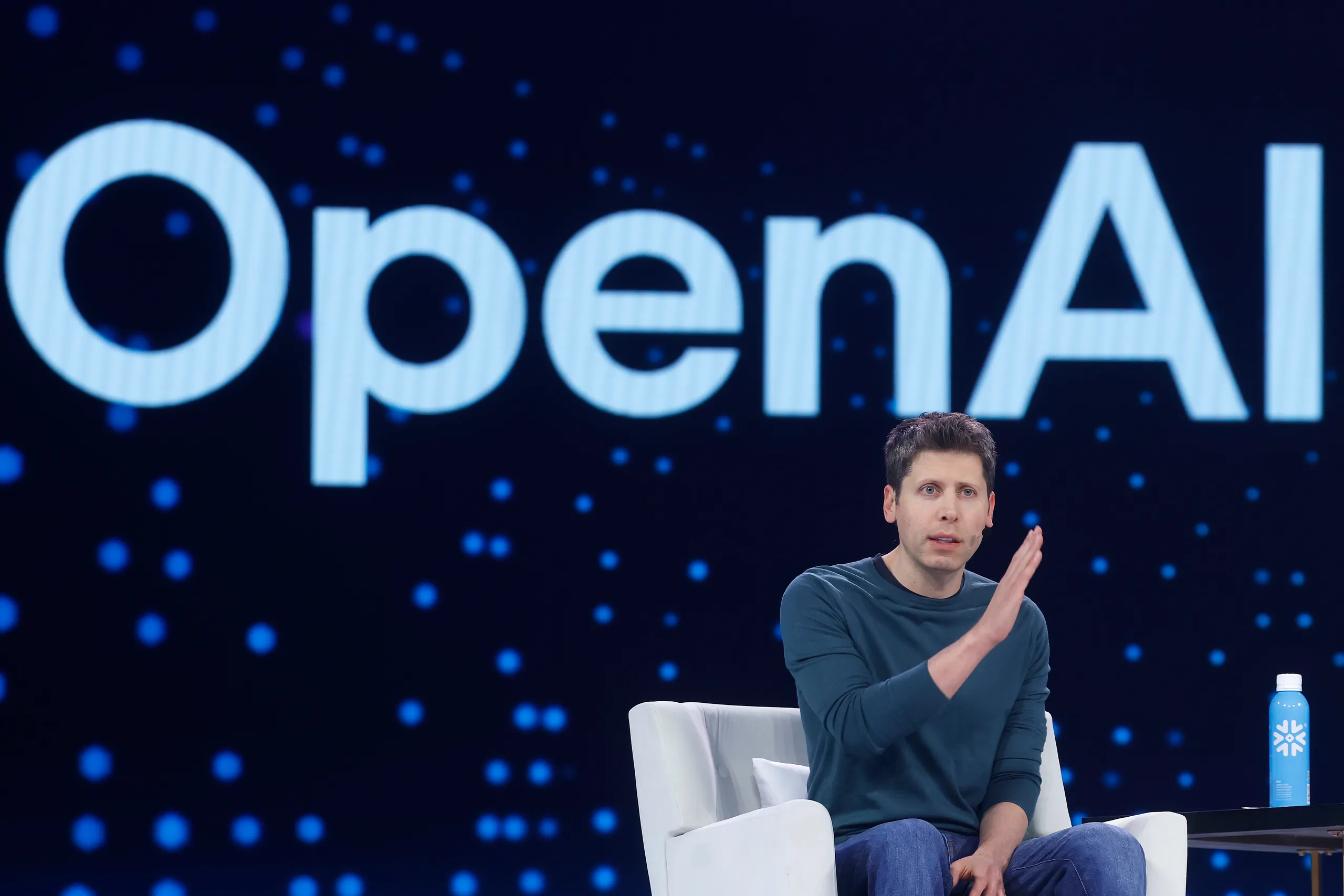
TechCrunch via Apptopia reports that ChatGPT’s mobile app download growth (percentage-wise) has slowed since April. Daily active user (DAU) growth appears to have plateaued in recent weeks. In October so far, new global downloads are down ~8.1% month over month. While total installs remain strong, user engagement (sessions per day, time spent) has also softened, partly as competitors (e.g. Gemini) gain traction.
What it will do:
- Saturation pressure: The app may be reaching a ceiling in its core demographic, leaving future growth reliant on new product features, monetization, or vertical expansion.
- Retention becomes critical: With slowed new user ingress, retaining the existing base and reducing churn will dominate strategy.
- Competitive pressure intensifies: Rivals with novelty, multimodal features, or domain specialization will hunt share in marginal slices.
How you can benefit:
- Monetization levers: Look for upgrades (plus tiers, plug-ins, vertical AI tools) that squeeze more revenue per user.
- Feature differentiation plays: Companies building multimodal, embedding, plugin, domain-specific add-ons may capture incremental usage.
- Watch converters not downloaders: Metrics like conversion from free to paid, session depth, retention curves will be better signals than install counts.
Ugly: White House feud with Anthropic reveals deeper AI safety divide
What it is:
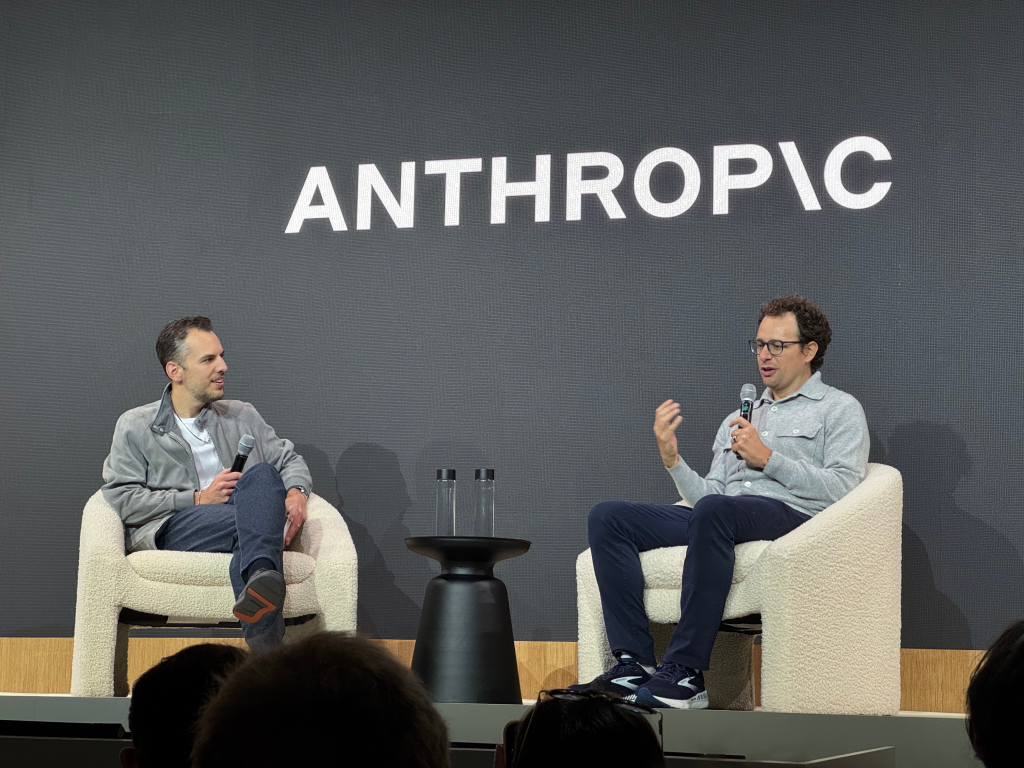
A public spat between the White House’s AI czar (David Sacks) and Anthropic highlights a core regulatory/ethical rift. Anthropic has pushed state-level AI legislation (California’s SB 53) and banned certain uses (e.g. domestic surveillance) of its models for law enforcement. The White House accuses them of fear-mongering to capture regulatory rules. The fight is as much philosophical (how tight oversight vs innovation) as it is strategic (which players shape rules).
What it will do:
- Regulatory uncertainty ramps: AI policy debates may tilt either toward tight guardrails + auditability, or toward lighter rules to preserve speed, depending on who wins.
- Vendor risk profiles shift: The more cautious (safety-first) AI firms may lose some speed or government contracts, while more permissive ones may get scrutinized more.
- State vs federal battle intensifies: If Anthropic pushes state laws, the White House may double down on blocking state regulation to avoid fragmentation.
How you can benefit:
- Safety / compliance toolkit providers: Vendors of model auditing, red-teaming, monitoring, provenance, watermarking, secure deployment become essential infrastructure.
- Insurance / risk quantification: As regulatory risk increases, insurtech or risk quantification firms (offering AI liability models) gain negotiating leverage.
- Strategic hedges: Consider pairs: back firms aligned with the winning regulatory posture (safety vs speed), or tactically hedge AI names during rule announcements.