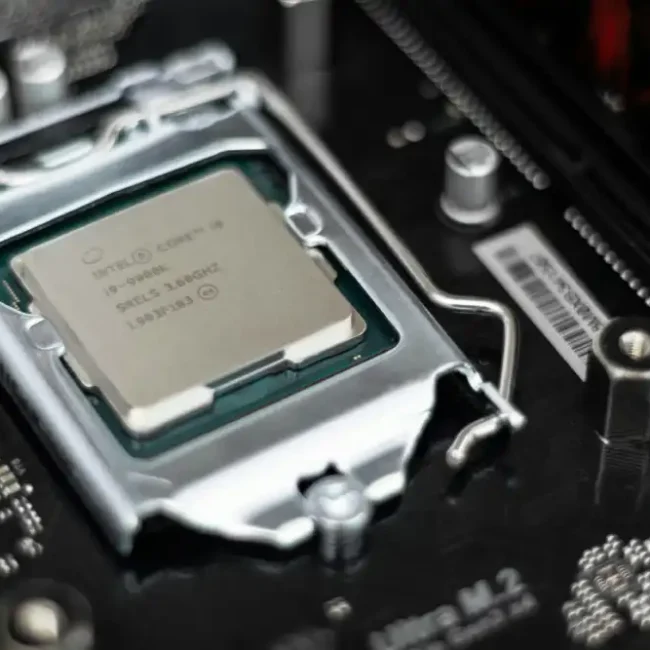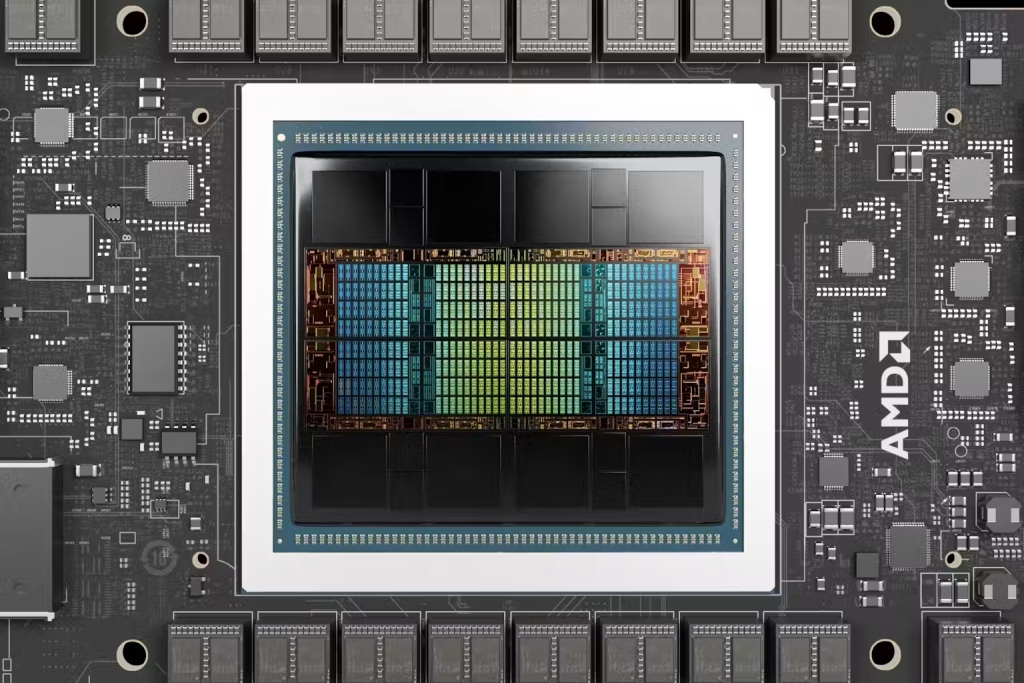

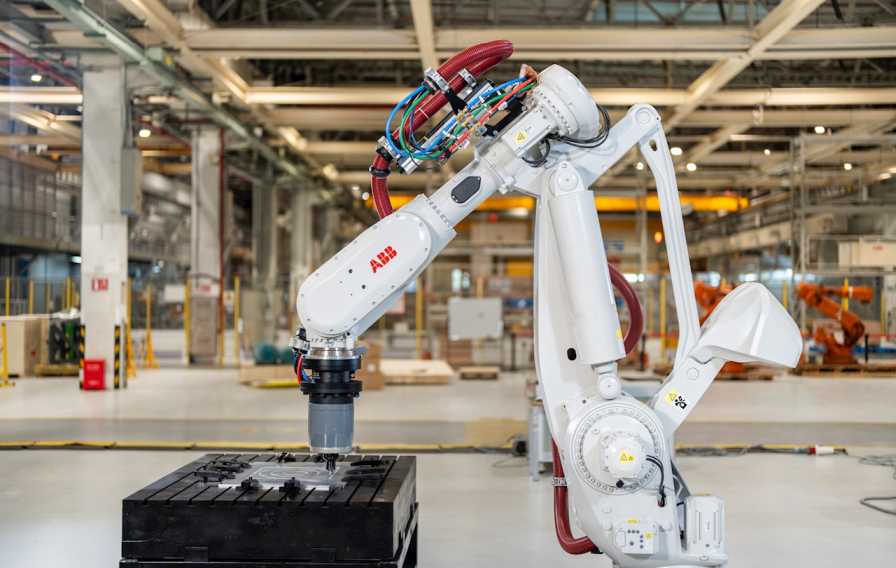
All three point to the same through-line: infrastructure + embodiment. Diamonds promise cooler, denser AI compute, easing power/cooling choke points; the big tech investment circle jerk continues to flare the markets, and SoftBank’s ABB buy says the next leg of AI monetization is robots at work, not just tokens in the cloud. Investor playbook: buy the bottlenecks (thermal materials, packaging, grid gear), keep a policy-aware hedge stack that goes beyond bullion, and build exposure to industrial automation suppliers where “physical AI” demand converts into recurring hardware + software revenue.
Good: IPO window: “perfect storm” or head fake?

What it is:
Semafor says CEOs eyeing exits finally see daylight: a run of mostly solid debuts, PE’s need for liquidity (record 29,000PE-owned firms, $3.6T in value), and regulators floating lighter reporting cadences to make public life less annoying. IPO proceeds are up ~70% Y/Y through Sept. 30, with names like CoreWeave, Figma, Proofpoint, and others testing the tape. The vibe: investors want profitable stories; bankers had their busiest week since 2021; and boardrooms are dusting off S-1s.
What it will do:
- Quality bar stays high: Profitable or near-profit names get the green light; cash-burn rockets likely get price-cut or punted to 2026. Expect valuation dispersion and more structured deals (greenshoes, insider anchors). semafor.com
- PE exit pressure: With average hold times stretching past 6 years, sponsors need prints. That means a steady pipelineof carve-outs and relists—if after-market holds.
- Policy tailwind (maybe): If the SEC trims reporting friction, the cost of being public ticks down marginally—helpful at the margin for mid-caps on the fence.
How you can benefit:
- Underwrite unit economics, not headlines: Lean into IPOs with gross margin >60%, visible cash path, and customer concentration <20%. Use day-2/3 weakness to build positions vs. chasing the open.
- Pairs around comps: Long the new quality listing vs. a legacy peer with slower growth or messy GAAP; you’re isolating execution over pure market beta. semafor.com
- Calendar trades: Track lockups, first earnings, index adds—those are tradable catalysts for many 2025–26 IPOs.
Bad: US–Finland icebreaker deal: Arctic muscle, fast-tracked

What it is:
The White House and Finland are signing an MOU to acquire four Arctic Security Cutters from Finnish yards for the US Coast Guard—part of a bigger $6.1B plan that later moves seven more builds to US shipyards (Davie in Texas and Bollinger in Louisiana). First delivery is guided as early as 2028. Rationale: close the capability gap with Russia/China in a warming, busier Arctic.
What it will do:
- Industrial base jump-start: Finland’s world-class designs accelerate timelines while onshoring later hulls ramps US yards and jobs. That’s playbook “ally to learn, domestic to scale.” Breaking Defense
- Operational coverage up: More medium icebreakers alongside the Polar Security Cutter means better presence, SAR, escort, and domain awareness north of Alaska.
- Arctic supply lanes de-risked: Commercial traffic, LNG routes, and undersea cables get more protection and predictability—strategic and economic dividends.
How you can benefit:
- Shipyard & subsystem stack: Track awards across propulsion, hull steel, navigation radars, comms, power systems, and ice-class coatings—multi-year order books with reliable funding.
- Polar enablers: Ice-class insurers, Arctic logistics, satellite AIS/EO providers and subsea cable owners benefit from higher Arctic tempo.
- Energy/commodities read-through: Better icebreaking can smooth Arctic LNG and critical-minerals shipments; watch carriers and terminal operators with High North exposure.
Ugly: India buys UK-made Thales LMM (“Martlet”) — £350M
What it is:
India inked a £350M (~$468M) deal for Thales Lightweight Multirole Missiles (LMM/Martlet) for the Army during PM Keir Starmer’s visit to Mumbai. The package supports ~700 jobs at Thales Belfast and sits inside a broader UK–India complex-weapons partnership and a parallel £250M electric-propulsion naval collaboration phase. LMM is a lightweight, precision missile for air or surface launch vs. fast, small targets.
What it will do:
- Capability fill for India: LMM plugs gaps against UAS, helicopters, and fast inshore craft, fitting India’s multi-front threat environment.
- UK industrial reinforcement: Secures jobs and positions the UK for follow-on complex-weapons work with India, where France/US/Israel have recently gained share. Defense News
- Interoperability & exports: Shared munitions with Ukraine orders and Royal Navy Wildcats (Martlet/Sea Venom) align India with a broader Western munitions ecosystem.
How you can benefit:
- Sensors + shooters basket: Beyond Thales, watch launchers, EO/IR seekers, datalinks, and counter-UASintegrators that ride LMM fielding across services.
- Make-in-India tailwind: Track localization JV chatter (e.g., with BDL and others) for future indigenization—volume + margin mix over time.
- Export flywheel: High-profile India deal can catalyze third-country sales in the Indo-Pacific; follow UK export credit support and roadmap items from London/New Delhi.