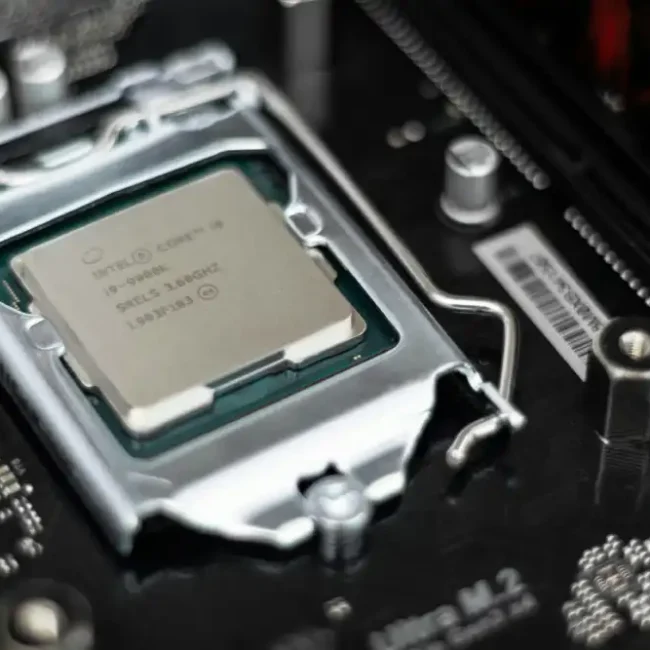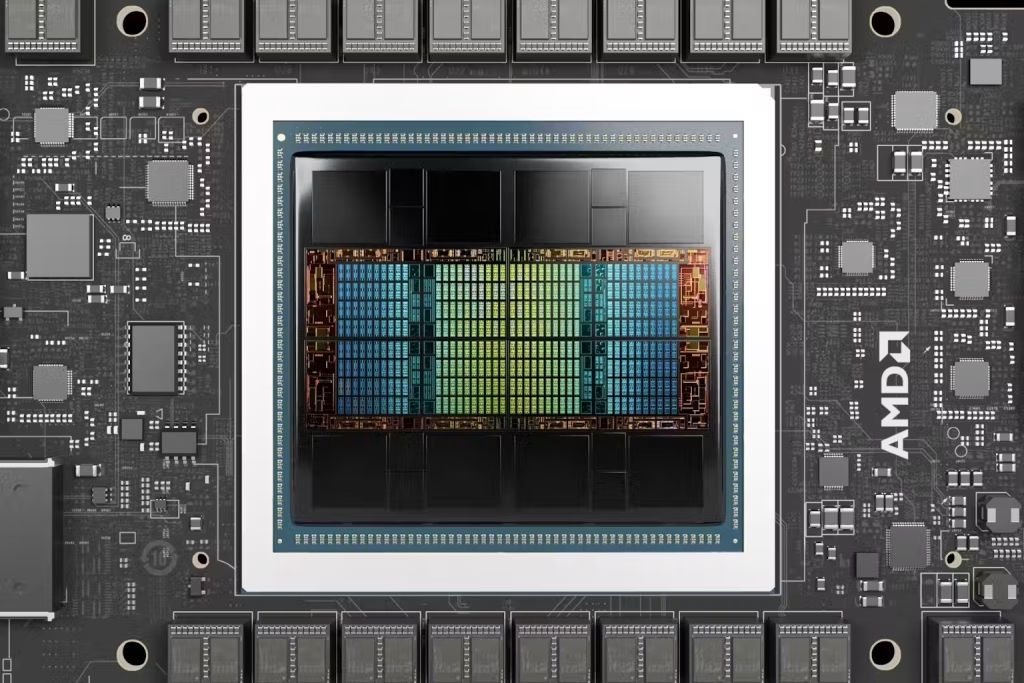

All three point to the same through-line: infrastructure + embodiment. Diamonds promise cooler, denser AI compute, easing power/cooling choke points; the big tech investment circle jerk continues to flare the markets, and SoftBank’s ABB buy says the next leg of AI monetization is robots at work, not just tokens in the cloud. Investor playbook: buy the bottlenecks (thermal materials, packaging, grid gear), keep a policy-aware hedge stack that goes beyond bullion, and build exposure to industrial automation suppliers where “physical AI” demand converts into recurring hardware + software revenue.
Good: Diamonds in chips: turning heat from enemy to asset

What it is:
The NYT piece spotlights a real materials shift: synthetic diamond moving from lab cool-factor to practical way to pull heat out of AI chips. Diamond’s thermal conductivity is ~10–20× silicon and multiples of silicon carbide, so it can slash temps or power for GPUs/accelerators — exactly where today’s AI racks are bottlenecked (HBM heat, hotspot throttling). Researchers and vendors have been pushing diamond substrates/heat spreaders toward manufacturable processes that could bolt onto existing packaging lines. Think: cooler GPUs, denser racks, lower opex.
What it will do:
- Higher power-density ceilings: Better heat paths = more watts per rack before throttling, opening room for next-gen accelerators and tighter AI cluster footprints.
- Grid + cooling relief: If diamond lowers junction temps by even 10–20 °C and cuts cooling energy materially, hyperscalers can hit MW targets with fewer chillers and less water. That eases siting and speeds time-to-power.
- New supply chain forms: Demand would flow to lab-grown diamond, advanced packaging, and metrology niches. Expect standards and yield learning curves (defects, bonding, CTE management).
How you can benefit:
- Own the “materials picks & shovels”: Screen suppliers for CVD diamond wafers/plates, TIMs/heat spreaders, and advanced OSAT packaging. Many are small/mid-cap or private; exposure can come via conglomerates with diamond or thermal divisions.
- Data-center efficiency trade: If diamond adoption scales, beneficiaries include liquid/immersion cooling vendors, power distribution/PDUs, and AI-ready DC REITs that can monetize higher density.
- Policy tailwinds: Track CHIPS-adjacent funding for alternative substrates/packaging; early grants or pilot lines are tradable catalysts for niche names.
Bad: XAI/Nvidia $20 billion financing round
What it is:
According to a Bloomberg / Reuters report, Elon Musk’s AI venture xAI is pulling together a $20 billion funding round (equity + debt) to power its Colossus 2 compute rollout. Nvidia is stepping up as a major player in that round, committing up to $2 billion in equity. The structure is interesting: a special purpose vehicle (SPV) will buy Nvidia chips and lease them to xAI, rather than xAI taking all that hardware debt itself.
The round is split ~ $7.5 b in equity, and up to $12.5 b in debt, all anchored in hardware demand. Nvidia’s role is dual: investor and supplier.
What it will do:
- Capital flows get more vertical: Nvidia is recasting itself not just as a vendor, but a capital partner in AI scaling—blurring lines between supplier and financier. That raises questions about “circular financing” and conflicts of interest.
- Demand visibility improves: Because the SPV is chip-tied, Nvidia’s forecast and guidebook now have more tailwinds. The deal signals that xAI is counting on sustained, high-volume GPU needs.
- Debt load & credit risk spreads: The heavy debt portion (~$12.5 b) means xAI’s stress tests, interest rates, and chip lease terms will matter. If revenue falls short or power costs overrun, that debt could be a drag.
- Competitive signals to peers: Other AI firms (OpenAI, Anthropic, etc.) will take note of this capital-structure model. Nvidia’s willingness to invest sends a strong message about who’s strategic vs. purely transactional.
How you can benefit:
- Equity upside in Nvidia: This is arguably the kind of signaling one wants—Nvidia putting real skin in xAI’s game is a strong signal of demand alignment. If xAI deploys at scale, volumes to Nvidia go up.
- Chip-lease model as a template: Watch for other AI firms structuring similar SPVs or leasing arrangements—this could become a new capital model. Vendors that support that model (finance arms, leasing infrastructure, repurchase/leaseback) could benefit.
- Debt/capital markets plays: The debt issued in the xAI round may create yield spreads in AI-tied credit. If you can parse credit market signals, you might lean into AI-infrastructure IG names or debt instruments that similarly finance capex.
- Hedging and volatility trades: Because this deal is large and public, there’s optionality around news flow—e.g. regulatory pushback, chip export controls, SPV lease terms. You could express conviction via options or structured trades around Nvidia or AI infra ETFs.
Ugly: SoftBank buys ABB’s robotics unit — “physical AI” gets real
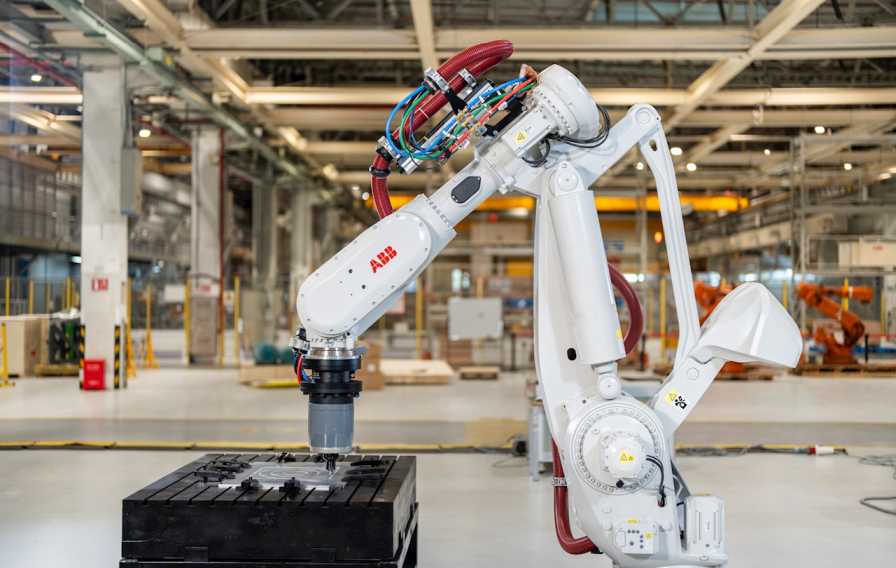
What it is:
SoftBank Group is acquiring ABB’s robotics division for about $5.38–$5.4B, aiming to fuse “physical AI” with its broader bet on AI chips, data centers, and energy. The ABB unit has ~7,000 employees and did ~$2.3B 2024 revenue; closing is guided for mid-to-late 2026 (regulatory approvals pending). This is Son doubling down on embodied AI—industrial arms and mobile systems that pair perception + autonomy with AI backends.
What it will do:
- Category consolidation: A top-tier industrial robotics asset under a capital-rich AI umbrella accelerates sensor + software integration (vision, force control, foundation-model planning). Expect faster feature cadence.
- Capex cycle support: If AI demand softens in cyberspace, the automation story (labor scarcity, reshoring) can still carry volumes; SoftBank can cross-sell across its AI stack.
- New IPO math: ABB had explored a spin-out; this comp sets M&A marks for other robotics assets and nudges IPO comps higher once rates drift lower.
How you can benefit:
- Own the enablers: Machine vision, servos/actuators, safety sensors, controllers, and industrial AI softwarevendors should see a pull-through. Follow purchase orders and design-wins tied to ABB’s installed base.
- Brownfield automation: Names levered to retrofits (end-of-arm tooling, cobot kits, AI inspection) monetize faster than greenfield factory builds.
- Event-driven trades: Track regulatory milestones and integration updates; spreads/vol around those dates can be traded via options or relative-value baskets (robotics peer set).