Today’s trio is the same song on three channels: power + protection + financing. The Navy’s F/A-XX choice will lock in a manned-uncrewed, sensor-heavy future for carrier air power; U.S. voters’ fear of AI-driven attacks pushes policy and budgets toward AI-security; and credit markets show AI is the new core borrower class at ~$1.2T of IG. Investor playbook: lean into mission-system and EW suppliers around F/A-XX, own the AI-security stack as compliance tailwinds kick in, and in credit/equity, back AI infrastructure with real megawatts and contracted cash flows—while hedging theme concentration with structure (options/CDX) and tight catalysts.
Good: Navy’s next-gen carrier fighter (F/A-XX) — Boeing vs. Northrop, decision imminent
What it is:
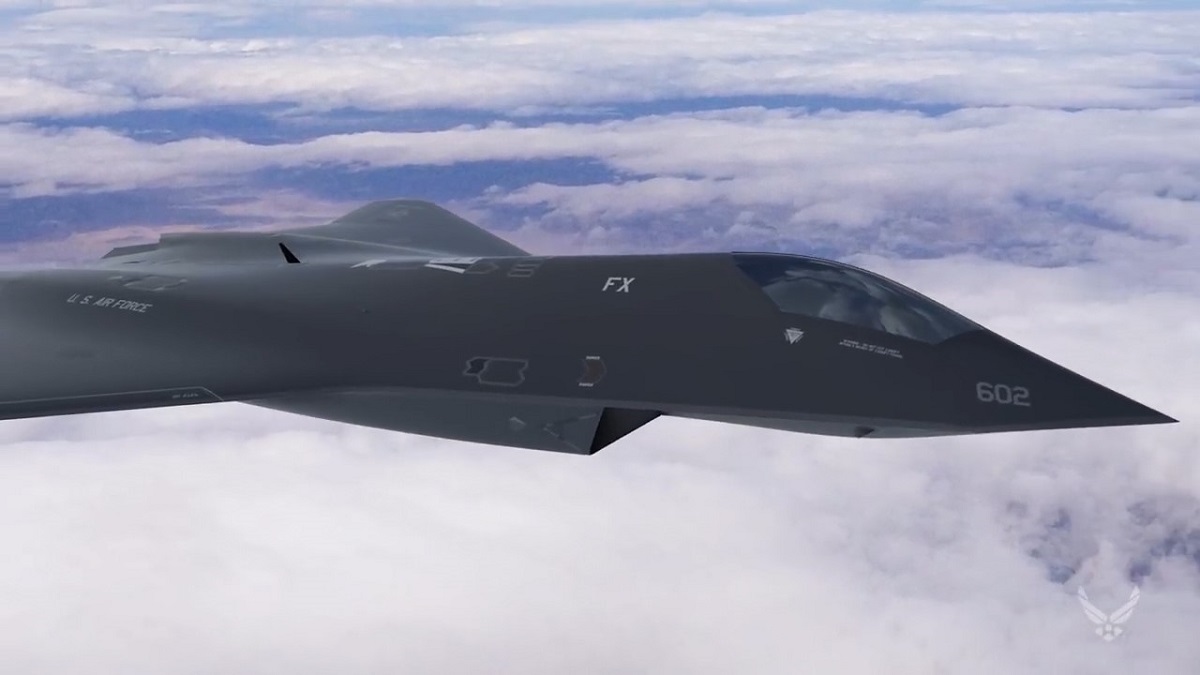
Breaking Defense says the Navy could name its F/A-XX winner as soon as this week, with Boeing and Northrop Grumman as the finalists after Lockheed was knocked out earlier this year. This is the Navy’s sixth-gen, stealthy, long-range Super Hornet replacement that will fly alongside carrier-based drones (CCA) and F-35Cs. Reuters adds that SecDef approved moving the program forward, after months of White House–Pentagon–Hill wrangling on funding; Congress has already shoved cash into FY26 to keep momentum. First jets wouldn’t hit the fleet until the 2030s, but the prime award decides who shapes the Navy’s air wing for decades.
What it will do:
- Industrial base reshuffle: A Boeing win would cement it as DoD’s sixth-gen strike-fighter house (after USAF picked Boeing for its future fighter), sidelining rivals; a Northrop win would put it back in prime cockpit for the first time since the F-14 era. Either way, the loser becomes a subsystem player for years. Breaking Defense
- Carrier air wing goes manned-uncrewed: F/A-XX is being architected to team with CCAs, so expect heavy emphasis on sensors, datalinks, EW, and autonomy over raw kinematics alone. That shifts spend toward mission systems and open architectures. Breaking Defense
- Budget gravity: Big dollars flow to engine development, stealth materials, and integration—while legacy fleets (Super Hornet/Growler) fight for sustainment dollars. Programs downstream (weapons, tankers, EW pods) will be benchmarked to F/A-XX timelines.
How you can benefit:
- Sensors & EW over airframes: Whichever prime wins, the recurring spend is in AESA radars, IRST, EW suites, and secure datalinks that also feed CCA teaming. Track award flow to the usual sensor champions and RF houses. Breaking Defense
- Propulsion & materials: Follow next-gen engines, thermal-management, and low-observable materials suppliers—multi-year development tails with high switching costs. Breaking Defense
- Pairs trade: If the award headlines pop the winner, consider a long-winner/short-peer pairs setup or a supplier basket (radars, EW, composites) that pays regardless of who takes prime.
Bad: Americans expect AI-fueled attacks — public risk perception hardens
What it is:
Semafor reports a fresh poll showing Americans widely expect AI-enabled attacks—from cyber intrusions to deepfake-driven chaos—underscoring how fast national-security fears around AI have gone mainstream. This tracks with other recent surveys (e.g., Reuters/Ipsos) showing large majorities worried about misinformation, job loss, and power consumption from AI/data centers. Bottom line: voters are primed for security-first AI policy and tougher expectations on Big Tech’s guardrails.
What it will do:
- Reg pressure up: Expect mandatory incident reporting, provenance/watermarking pushes, and procurement biastoward vendors with robust AI-security posture (model evals, red-teaming, safety cases). semafor.com
- Budget reallocation: Public sector and enterprise CISOs will tilt spend toward AI-aware SOC tooling (deepfake detection, behavior analytics) and identity/zero-trust—security becomes the “ticket to play” for AI deployments. semafor.com
- Communications risk: Brands and campaigns face higher deepfake and spear-phish frequency, forcing investment in media forensics and crisis-response capabilities.
How you can benefit:
- Own the “AI-sec” stack: Screen names in identity, email security, anomaly detection, and media forensics(watermarking/provenance, deepfake spotting). Procurement cycles are accelerating here. semafor.com
- Compliance moat: Favor AI platform vendors that publish evals, red-team results, and secure-by-design features—policy headwinds become a moat if you can meet them. semafor.com
- Crisis-comms adjacencies: PR monitoring, threat intelligence, and brand-protection providers stand to gain as organizations budget for disinfo detection and response drills.
Ugly: AI is now the biggest slice of high-grade credit — $1.2T tied to the theme
What it is:
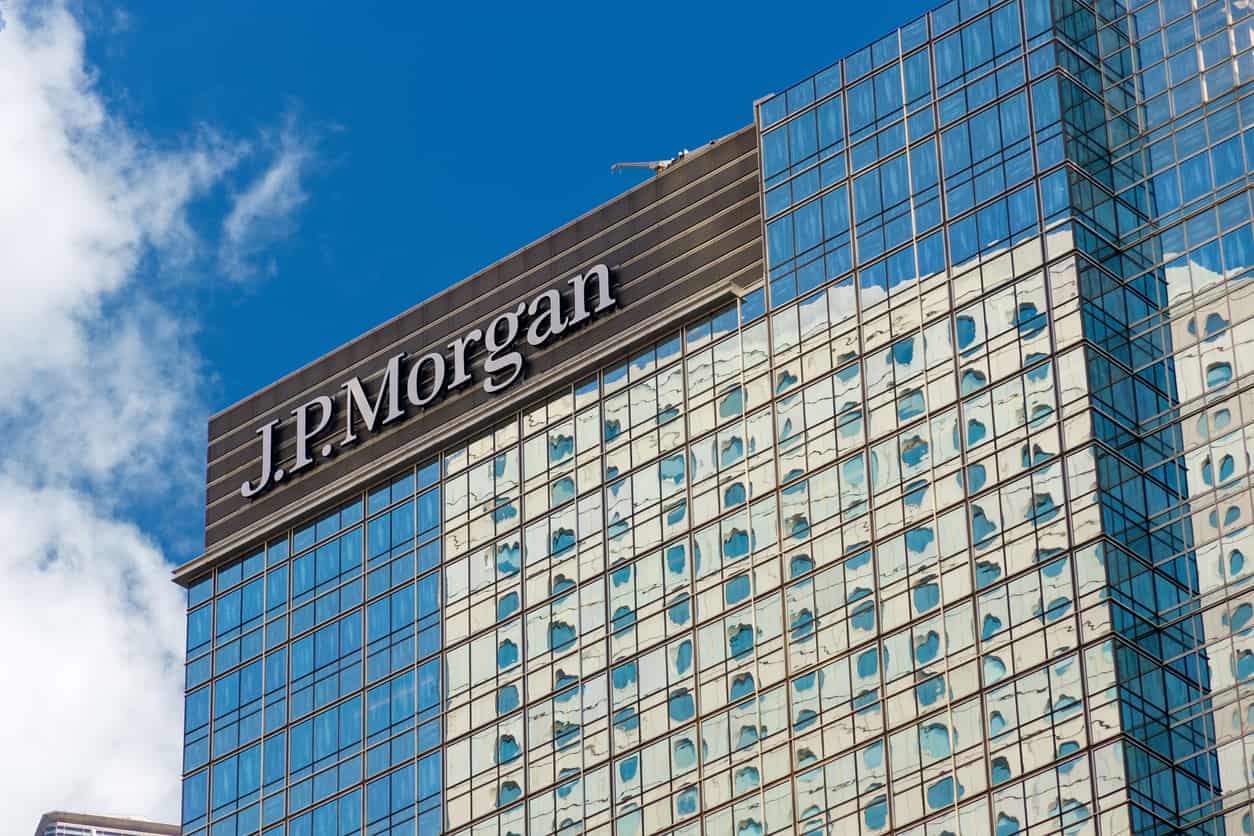
Per JPMorgan’s JULI index note (summarized by Yahoo Finance), AI-linked issuers now represent ~$1.2 trillion of US investment-grade debt, ~14% of the market, surpassing US banks (~11.7%) as the largest sector weight. In 2020, AI names were ~11.5%. Translation: the AI build-out isn’t just an equity story; credit markets are financing the capex super-cycle (data centers, chips, grid).
What it will do:
- Funding channel durability: As long as spreads stay friendly, AI infra keeps tapping IG markets—pushing long-dated issuance and project-level financing for power and campuses. Yahoo Finance
- Concentration risk: Index buyers now carry more theme risk; a wobble in AI demand, power constraints, or regulation could widen spreads across the AI cohort at once. Yahoo Finance
- Rate sensitivity: If the Fed eases into a slower growth tape, duration in AI IG might outperform—until leverage or capex guidance disappoints.
How you can benefit:
- Pick your pockets in IG: Focus on utilities/infra REITs/AI-anchored issuers with clear MW adds and contracted revenues; avoid names with power-access uncertainty or aggressive guidance. Yahoo Finance
- Structure over beta: Consider barbell credit (short/long tenors) or bond ladders to ride issuance while managing curve risk; use CDX hedges around major AI capex updates. Yahoo Finance
- Equity read-through: Rising AI bond supply often signals capex ramps—a leading indicator for grid gear, HBM/packaging, cooling, and optical suppliers (equity side).