
Across the three: AI’s power hunger is pulling “old-line” industrials like CAT into the growth narrative; U.S. policy resets just took billions out of clean-tech project pipelines; and OPEC+ sees a window to turn the screws on U.S. shaleas its elasticity fades. Investor playbook: buy the bottlenecks/enablers in power and grid gear, be choosy and policy-aware in U.S. clean tech (favor projects that pencil without federal sugar), and tilt energy exposure toward international barrels and refiners while trading oil via structure around OPEC/EIA dates.
Good: “GPUs > Oil?” — the ‘digital oil’ thesis
What it is:
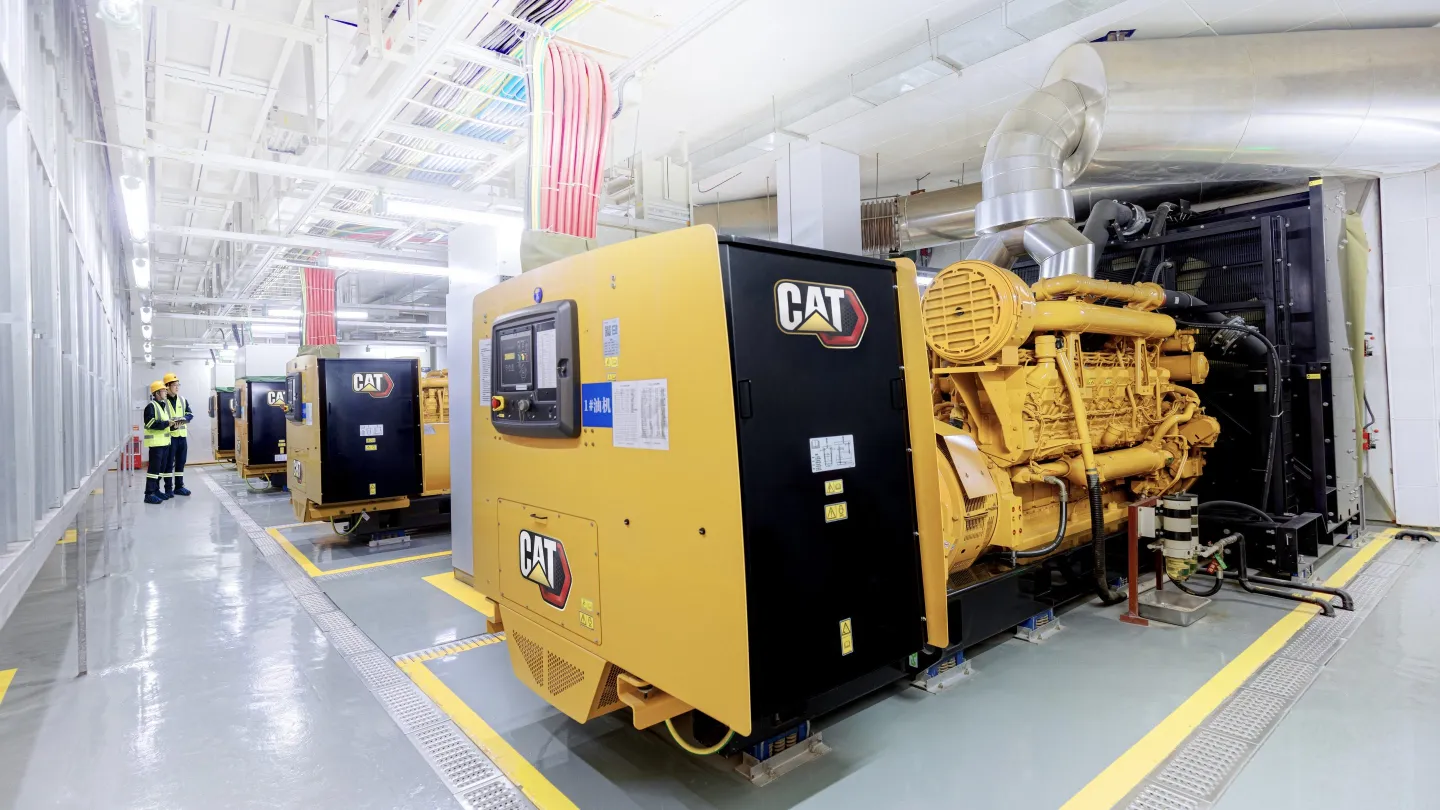
Bloomberg’s tech desk is flagging Caterpillar (CAT) as a left-field beneficiary of the AI build-out: data-center power demand is ripping, orders for gas turbines are tight, and CAT’s Solar Turbines unit suddenly looks like “compute infrastructure” gear, not just old-school industrial hardware. Stock chatter notes CAT’s best month since 2023 (≈+14% in September) on the “AI power” narrative, with momentum tied to turbines, copper/mining equipment (for grid + DC buildouts), and construction kit for AI campuses.
What it will do:
- Turbines are a throughput gate: If utilities and hyperscalers need quick, dispatchable megawatts to keep AI clusters fed, gas turbines become the “bridge fuel” capacity—especially where grid interconnects lag. That stretches order backlogs and tightens service/parts cycles. Bloomberg
- Spillover into heavy equipment: More power plants, substations, and data-center shells = more earthmoving, cranes, gensets, switchgear pads—CAT’s adjacent lines get a halo from the turbine thesis. (That’s what the market’s front-running.) AInvest
- AI power narrative gets durable: As long as compute demand stays hot, “power availability” is a first-order constraint. That puts old-line industrials with relevant SKUs in the AI story for several years, not quarters.
How you can benefit:
- Own the bottlenecks: Besides CAT, watch turbine OEMs/servicers, grid contractors, transformer makers, and HV gear—the “AI power stack” that wins regardless of which model is hot this week. Track backlog commentary and service attach rates. Bloomberg
- Second-order picks: Copper and electrical steel plays tied to transmission buildout; AI-ready DC REITs with power-expansion pipelines. These ride the same capex wave. Bloomberg
- Trading the story: If you’re late to CAT’s pop, consider pairs (long CAT vs. a slower, less power-exposed industrial) or focus on services (higher-margin, less cyclical than one-off unit sales).
Bad: BAE x Forterra team up on an autonomous AMPV
What it is:
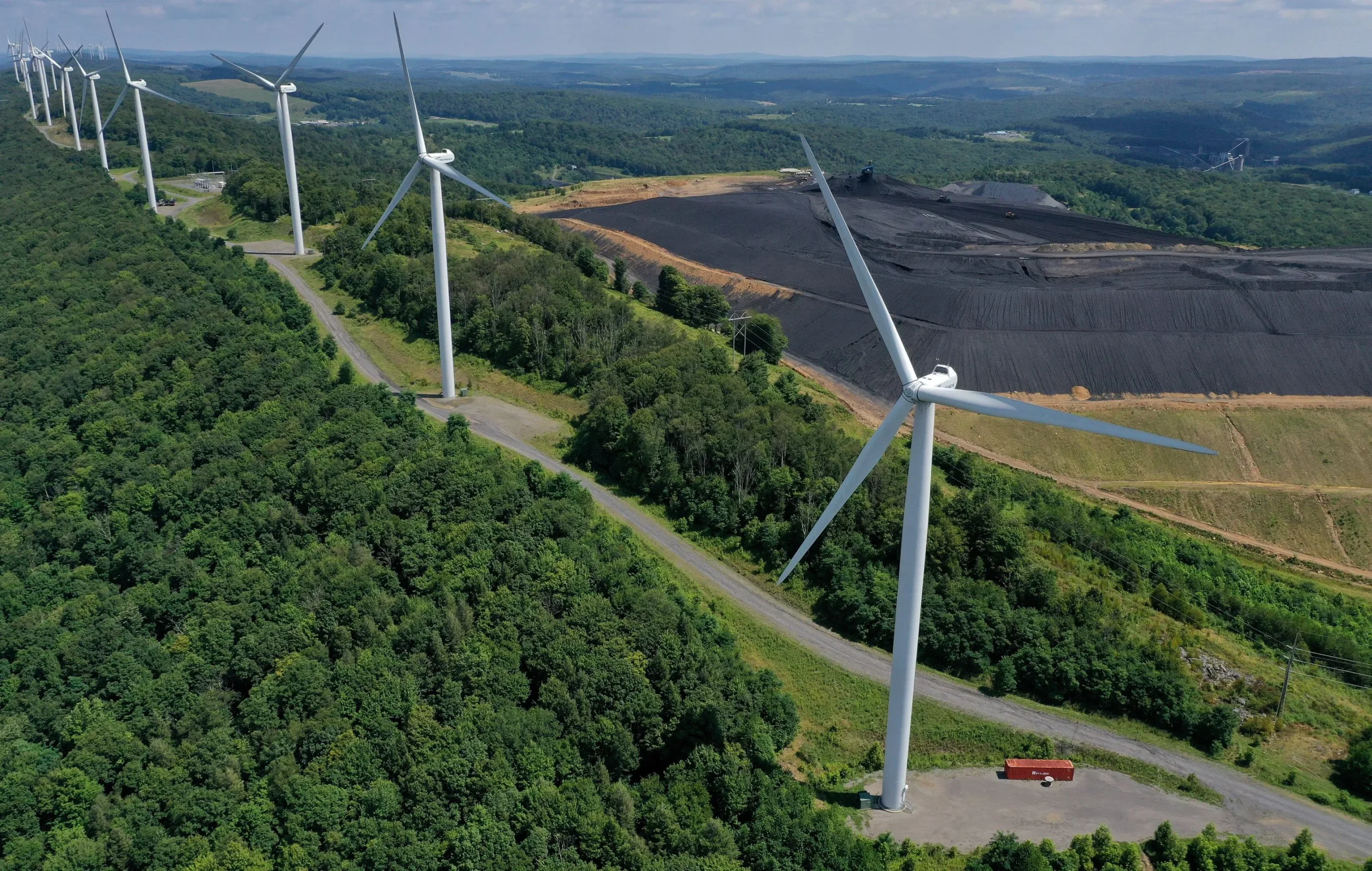
On Oct 2, 2025, the U.S. Department of Energy canceled $7.56–$7.6B in awards touching 223+ clean-energy projectsacross multiple states (including big-ticket hydrogen hub commitments). DOE framed this as axing projects that wouldn’t deliver returns to taxpayers; critics called it political targeting of blue states and a rollback of Biden-era climate industrial policy. Appeals windows are short (≈30 days).
What it will do:
- Project pipelines wobble: Hydrogen hubs, grid-upgrade pilots, battery manufacturing and other demonstrations lose public cost-share; some will pause, resize, or die, raising financing costs for the rest. Reuters
- Policy risk repriced: The market will add a fatter discount rate to U.S. clean-tech capex that relied on federal grants/loans. Expect developers to seek state, utility, or private-credit backstops. The Washington Post
- Regional knock-ons: States like California (hydrogen), Minnesota (grid capacity) and others could see delayed jobs/throughput and slower decarbonization timelines—plus fresh litigation and political pushback.
How you can benefit:
- Triage the survivors: Some projects will refinance through state green banks, utility RFPs, or private credit. Work through sponsor quality and offtake strength—there are still bankable deals, just fewer freebies. Axios
- Own “no-grant needed” assets: Transmission owners, grid services/automation, demand-response/efficiency software, peaker upgrades—cash-flowing, regulated, or rate-baseable assets less exposed to federal grant risk. The Washington Post
- Position for policy whiplash: If Congress/courts restore any programs, hydrogen equipment, electrolyzers, long-duration storage, and HVDC vendors could catch sharp relief bids. Keep a catalyst calendar and use options around deadlines.
Ugly: AT&T’s CEO: America’s Spectrum House Isn’t in Order

What it is:
Semafor reports a growing view in the Gulf that OPEC+ can add supply and claw back market share while U.S. shale loses some snap—DUC inventories are low, prime Tier-1 Permian acreage is largely tapped, and 2026 capex budgets are being set under softer price assumptions. EIA is guiding a slight U.S. output decline next year, and OPEC+—already signaling modest hikes—may lean into it without triggering a destructive price war.
What it will do:
- Market-share over price: With shale less elastic, OPEC+ can run calibrated increases to pressure U.S. drillers’ budgets and consolidate share—especially if crude hangs in the $50s–$60s. Recent policy meetings already pointed that way.
- Service cycle bifurcates: International and Middle East service demand looks stickier; U.S. onshore becomes more selective, hitting weaker balance sheets and fringe basins hardest. semafor.com
- Macro cross-currents: China stockpiling and geopolitics are upside wildcards; recession risk is the downside. Volatility likely rises as OPEC+ tests how much slack shale has left.
How you can benefit:
- Tilt to international barrels: Favor integrateds/NOCs-exposed majors and ME-leaning OFS over levered U.S. shale pure-plays. Follow award flow for rigs, EPC, and gas-to-power in the Gulf. Reuters
- Refiner & petrochem screens: If OPEC+ keeps prices contained while volumes rise, refiners (margin capture) and petchems (feedstock sensitivity) can work—screen for maintenance downtime and crack spread setups. MarketWatch
- Hedge with curve trades: Express the thesis via calendar spreads or options around OPEC meetings/EIA prints rather than pure equity beta if you want lower idiosyncratic risk.