
Net-net, bro: the chip game is getting a forced-march makeover — make it here or pay up — which is rocket fuel for U.S. fabs and toolmakers. The Pentagon is bringing the fight closer to home, so sensors, C-UAS, and sustainment stocks look spicy. And the Cisco breach wave is your reminder that edge boxes are the new soft underbelly — money’s flowing to zero-trust and managed security. If you’re allocating, think foundry + packaging, homeland IAMD/C-UAS + MRO, and perimeter-hardening & MDR — and keep a hedge for policy whiplash while the rules get written.
Good: Trump Admin Targets Semiconductor Imports with a 1:1 rule

What it is:
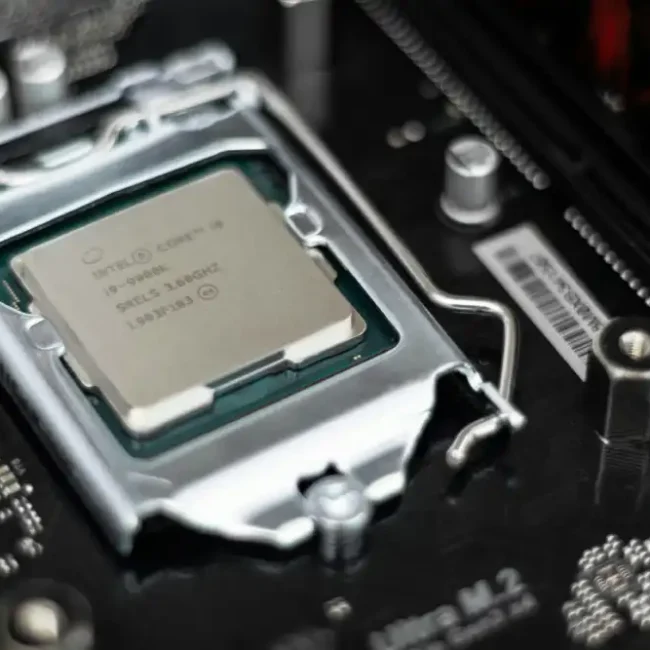
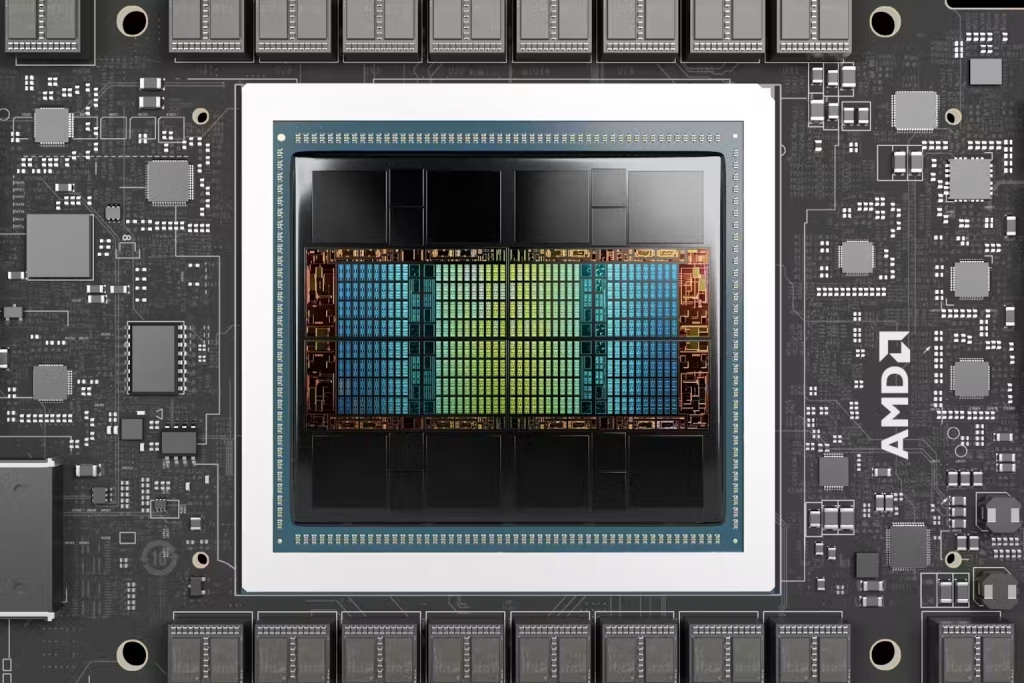
The administration is weighing a policy that would force U.S. chip sellers to match every imported chip with one made domestically — or face steep tariffs. Think of it as a “1:1 production rule” layered on top of CHIPS Act subsidies: if your customers import 10 chips, you need 10 made in the U.S. (credits and phase-ins are being discussed). This move aims to cut reliance on overseas fabs (esp. Taiwan) and onshore more of the stack. The idea surfaced via WSJ and was echoed by TechCrunch; Reuters has also flagged the proposal and prior tariff threats.
What it will do:
- Supply chains re-routed: Firms will scramble to lock U.S. capacity (foundry slots, advanced packaging) to avoid penalties; near-term supply tightness is possible.
- Capex boom, execution risk: TSMC/Intel/GF/Micron’s U.S. fabs become even more strategic, but timelines, costs, and tool bottlenecks become critical swing factors.
- Price & complexity pressure: Tariff exposure + compliance bookkeeping could lift device ASPs and complicate multinationals’ procurement.
How you can benefit:
- Foundry & packaging winners: U.S. fabs and advanced packaging providers become choke points; watch capacity announcements and utilization ramps.
- Equipment & materials: Lithography, deposition, metrology, substrates, and cooling — the whole toolchain benefits from forced onshoring.
- Customer exposure check: PC/phone OEMs heavy on imported silicon carry tariff risk; favor those with credible U.S. sourcing plans.
Bad: New Pentagon Strategy: Pivot Emphasis to the Homeland & Western Hemisphere

What it is:
DoD’s forthcoming strategy will re-center homeland defense and the Western Hemisphere, expanding roles for commands like the Army’s Space & Missile Defense Command. It doesn’t abandon pacing threats (China), but it explicitly elevates continental defense, critical-infrastructure protection, and nearer-term missile/UAS threats. This aligns with broader administration priorities and ongoing reforms around North American air/missile defense and resilient basing.
What it will do:
- Budget reshuffle: More dollars toward sensors, integrated air & missile defense (IAMD), counter-UAS, and domain awareness across NORAD/PACOM seams.
- Industrial demand mix: Emphasis on readiness, sustainment, and homeland radars versus only blue-water or Indo-Pacific assets; Guard/Reserve equities gain relevance.
- Interagency ties: DHS/CISA and state utilities become part of the planning fabric (grids, pipelines, ports), tightening public-private defense links.
How you can benefit:
- IAMD & C-UAS stacks: 3D radar, EO/IR cueing, networking, effectors, jammers — layered defense integrators and sensor makers stand to win.
- Sustainment/MRO & spares: Readiness focus boosts demand for high-reliability components, depot work, and predictive-maintenance software.
- Critical-infrastructure, cyber/physical: Contractors bridging OT security for grids, pipelines, telecoms benefit as “homeland defense” expands beyond DoD perimeters.
Ugly: Hackers breach Cisco firewalls across U.S. government networks

What it is:
A high-tempo campaign compromised hundreds of Cisco firewall devices in federal networks, prompting CISA to issue an emergency directive for rapid scanning and patching. The incident follows months of warnings about edge-device exploitation (ASA/AnyConnect families) and overlaps with earlier “ArcaneDoor”-style tradecraft. Bottom line: internet-facing appliances remain soft targets if patching lags. Bloomberg broke the scope inside government networks; Reuters captured CISA’s directive details.
What it will do:
- Edge-device risk is systemic: Firewalls/VPN concentrators are juicy, and compromises can silently bypass EDR sitting behind them. Agencies and enterprises will accelerate lifecycle refreshes.
- Vendor scrutiny: Cisco customers will demand faster patches, better hardening guides, and compromise-assessment tooling; zero-trust rollouts get renewed urgency.
- Compliance & spend: Expect new federal baselines for appliance telemetry, SBOMs, and continuous monitoring — a tailwind for gov-grade security suppliers.
How you can benefit:
- Network security refresh cycle: Opportunities for firewall/SD-WAN vendors with stronger exploit-resistance and managed detection around the perimeter.
- Incident response & MDR: IR firms and managed detection/response providers gain as agencies/contractors scramble for forensics and 24/7 monitoring.
- Zero-trust & identity: ZTNA, PAM, and hardware-rooted identity players benefit as agencies de-risk legacy VPN models.