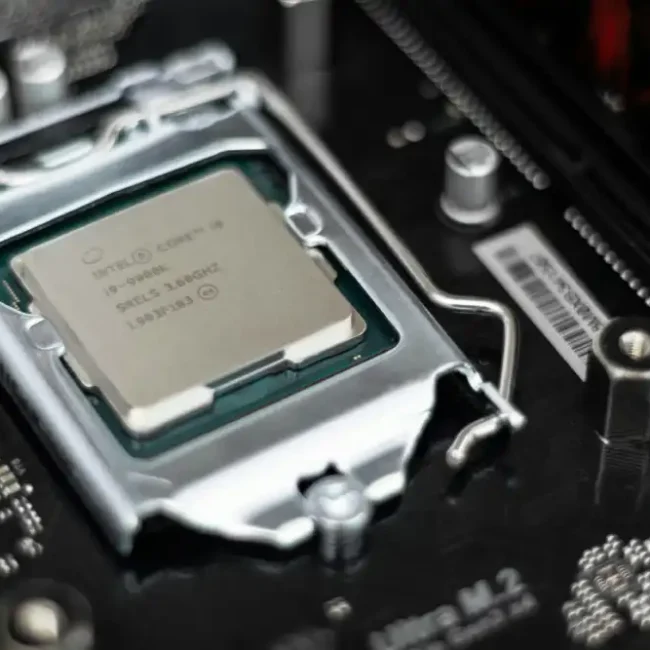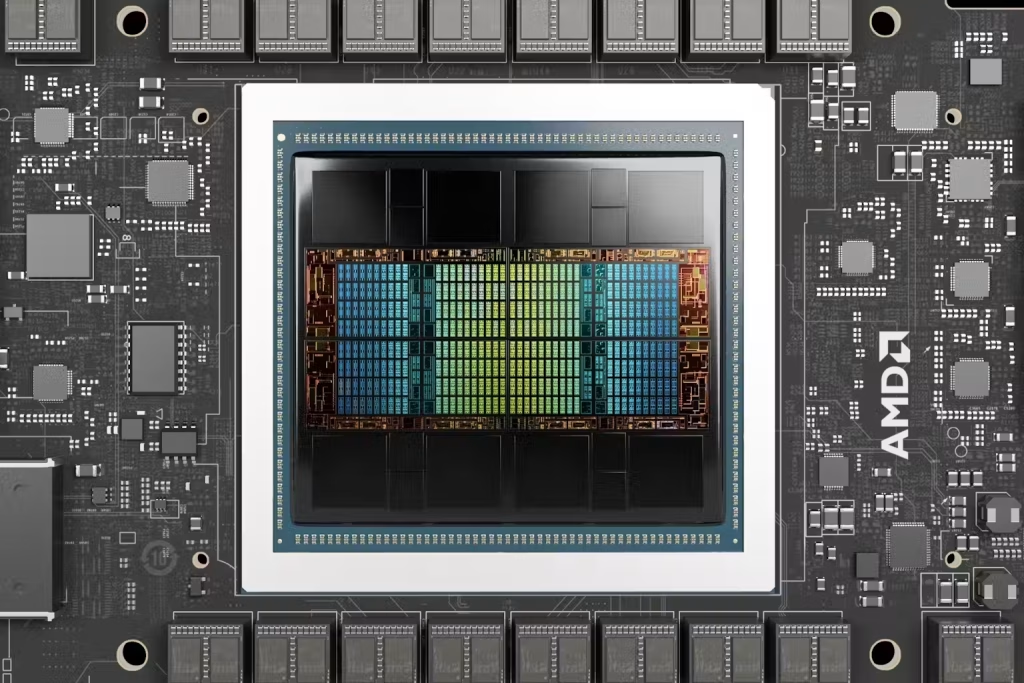

Net-net, bro: politicians are finally trying to sing from the same hymn sheet on AI safety, which means more audits and fewer cowboy models; stablecoins are graduating from crypto side-quest to real money plumbing if Citi’s right; and China’s bolting robots onto every factory line in sight to keep prices sharp. If you’re positioning, you want the compliance picks-and-shovels in AI, the on-chain payments rails that actually move volume, and the automation stack (both hardware and embodied-AI software) that keeps margins intact when labor gets tight and tariffs bite.
Good: Lithium Americas rockets on report of potential U.S. government stake

What it is:
At UN General Assembly week, 200+ world leaders, Nobel laureates, and tech figures co-signed an open letter calling for a global AI-safety consensus by end-2026, urging “clear, verifiable red lines” (think bio, cyber, critical infra) and coordination on testing, audits, and disclosure. It adds political weight to months of UN and G7 work on guardrails as AI scales into defense, finance, and public services.
What it will do:
- Regulatory convergence: Expect draft standards on evaluations (pre-deployment tests, incident reporting) that big labs must meet to sell into many markets.
- Procurement filters: Governments will buy from vendors that pass agreed safety thresholds; “unsafe-by-default” models get sidelined in public sector deals.
- Compliance costs rise: Red-teaming, auditing, and compute/energy disclosures become table stakes—great for firms built around assurance.
How you can benefit:
- Picks & shovels for compliance: Model evaluation, red-team platforms, provenance/watermarking, and AI governance software should see steady demand.
- Policy-ready model vendors: Foundation-model providers with strong evals and safety reporting gain share in gov/regulated industries.
- Consultancies & insurers: Risk quantification and AI liability products (underwriting, breach cover) become monetizable niches.
Bad: Citi: stablecoins could be a multi-trillion market by 2030
What it is:
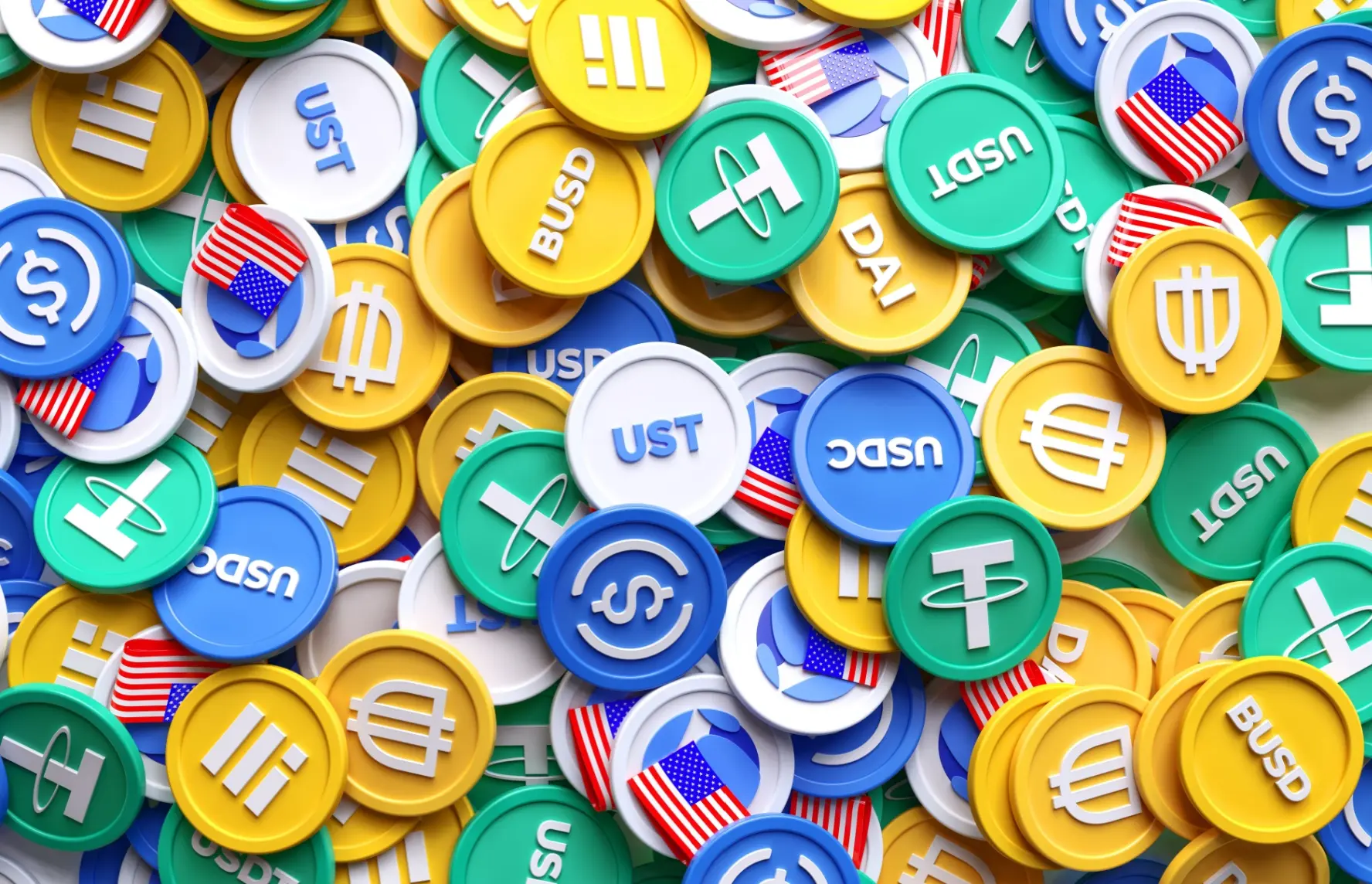
Citigroup’s GPS report bumped its base-case projection for global stablecoin float to $1.9T by 2030 (bull case $4T) as tokenized cash rails spread into cross-border payments, trade finance, and settlement. It also highlights “bank tokens”/deposit tokens as a parallel institutional track. This is an upward revision from Citi’s April view ($1.6T base).
What it will do:
- Institutionalization of crypto-dollars: Regulated issuers, bank-grade custody, and on-chain compliance become the norm.
- FX and payments fee pressure: Faster, cheaper settlement eats legacy spreads in B2B and remittances.
- Reg regime hardens: Expect reserve quality, disclosures, and real-time attestation requirements as supply scales.
How you can benefit:
- Plumbing winners: Blockchain infra, KYC/AML oracles, real-time attest providers, and on/off-ramp processors ride volume growth.
- Bank-token plays: Banks/payment firms piloting tokenized deposits get a hedge against non-bank stablecoins; watch custodians and CSDs partnering on tokenized cash + securities.
- Fee compression hedges: Legacy FX/payments names with proactive on-chain roadmaps are safer than those clinging to old rails.
Ugly: China’s factories lean harder into robots
What it is:
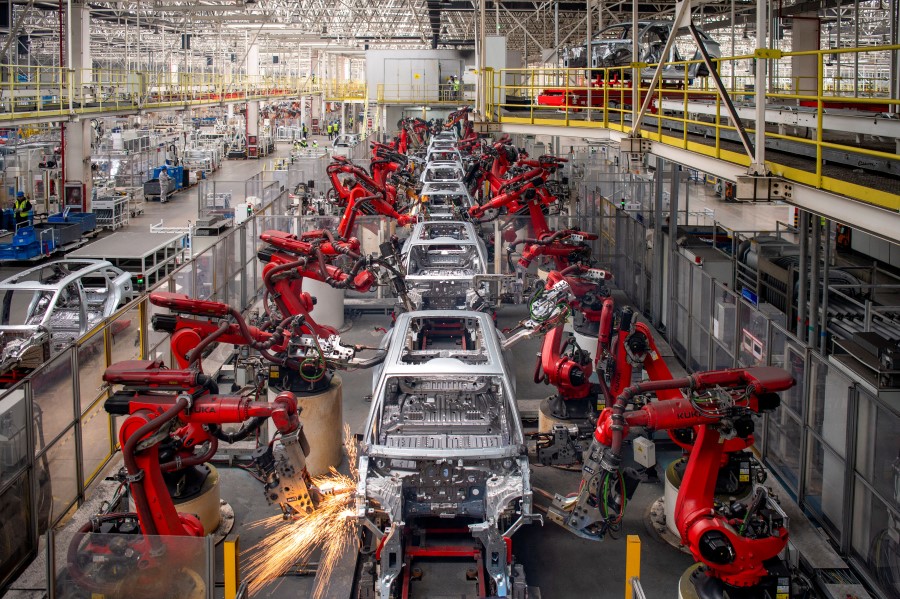
China is accelerating factory automation to offset a shrinking workforce, lift productivity, and stay price-competitive as trade frictions rise. Installations now total roughly half of global industrial robot units annually, with a rising share built by domestic manufacturers—cutting costs and widening adoption beyond autos/electronics into toys, furniture, and EV supply chains. (This mirrors recent FT/Reuters reporting on China’s robot push and subsidies for embodied-AI/industrial robotics.)
What it will do:
- Unit-cost defense: Low-cost robots blunt wage inflation and tariff pressure, sustaining China’s export share in labor-intensive goods.
- Labor mix shifts: Demand pivots from line labor to “purple-collar” techs (robot ops/maintenance); displacement risks persist in low-skill segments.
- Tech sovereignty: A deeper domestic robot stack (actuators, controllers, vision) reduces reliance on foreign kit and hardens supply chains.
How you can benefit:
- Robot value chain: Servo/drive vendors, machine vision, end-effectors, and safety systems—especially China-native suppliers—benefit from local share gains.
- Software & embodied-AI: Firms training manipulation/inspection models (QA, assembly) monetize via factory subscriptions and retrofits.
- Export-exposed brands: Non-Chinese manufacturers competing on cost need to differentiate (IP, speed, customization) or nearshore with their own automation to avoid margin squeeze.