
Good: CPI, the Fed, and the path to rate cuts

What it is:
August CPI ticked up to ~2.9% YoY (core ~3.1%), but labor data have softened (jobless claims ~263k, highest since 2021). Markets and economists now see a September 17 Fed cut as highly likely, with odds of another cut by year-end as growth cools and tariff-linked price pressures linger. The setup: inflation is above target but drifting lower from 2023 peaks, while employment momentum fades—so the Fed is pivoting to “insurance” easing.
What it will do:
- Stagflation risks: Rising prices amid slower employment growth could lead to a stagflation scenario—hard for both consumers and business margins.
- Consumer pressure: Inflation, especially in core and shelter categories, reduces real income and could slow consumption. Businesses with pricing power could fare better; others may see margin squeezes.
How you can benefit:
- Fixed Income / Rates Strategies:
- Position in short-duration bonds to reduce exposure to rising yields.
- Sectors with Inflation Pass-Through:
- Consumer staples, utilities, or energy companies that can pass costs to consumers.
- Real Estate Investment Trusts (REITs), to the extent that rents rise and leases adjust.
Bad: Box CEO Aaron Levie on AI’s “Era of Context”

What it is:
CEO Aaron Levie described the current phase of AI as an “era of context,” meaning the big value lies not in gargantuan foundation models alone but in models that excel at context: understanding what data means, when, and how to use it properly in workflow contexts. Box is rolling out “Box Automate,” its agent system that breaks up workflows into segments, letting AI augment particular steps rather than trying to be an all-purpose solution.
What it will do:
- Shift toward workflow AI: Companies will prioritize solutions that automate specific parts of business processes rather than full AI replacements. Unstructured data handling becomes central.
- Competition with big foundation model players: Firms like OpenAI, Google, and Microsoft may push more into this “context/agent” space; Box will need to differentiate on efficiency, usability, integration.
How you can benefit:
Infrastructure & AI Agent Tools: Companies offering search tools, document parsers, metadata extraction, specialized AI agents (for finance, legal, HR) may see growth. Consider investing in these niche providers.
Box stock & competitors: If Box executes well, it may gain or retain share in the enterprise content management / unstructured data automation markets. Investors could evaluate Box against peers that are slower to adapt context-sensitive AI workflows.
Ugly: UK aims to restore an airborne nuclear deterrent
What it is:
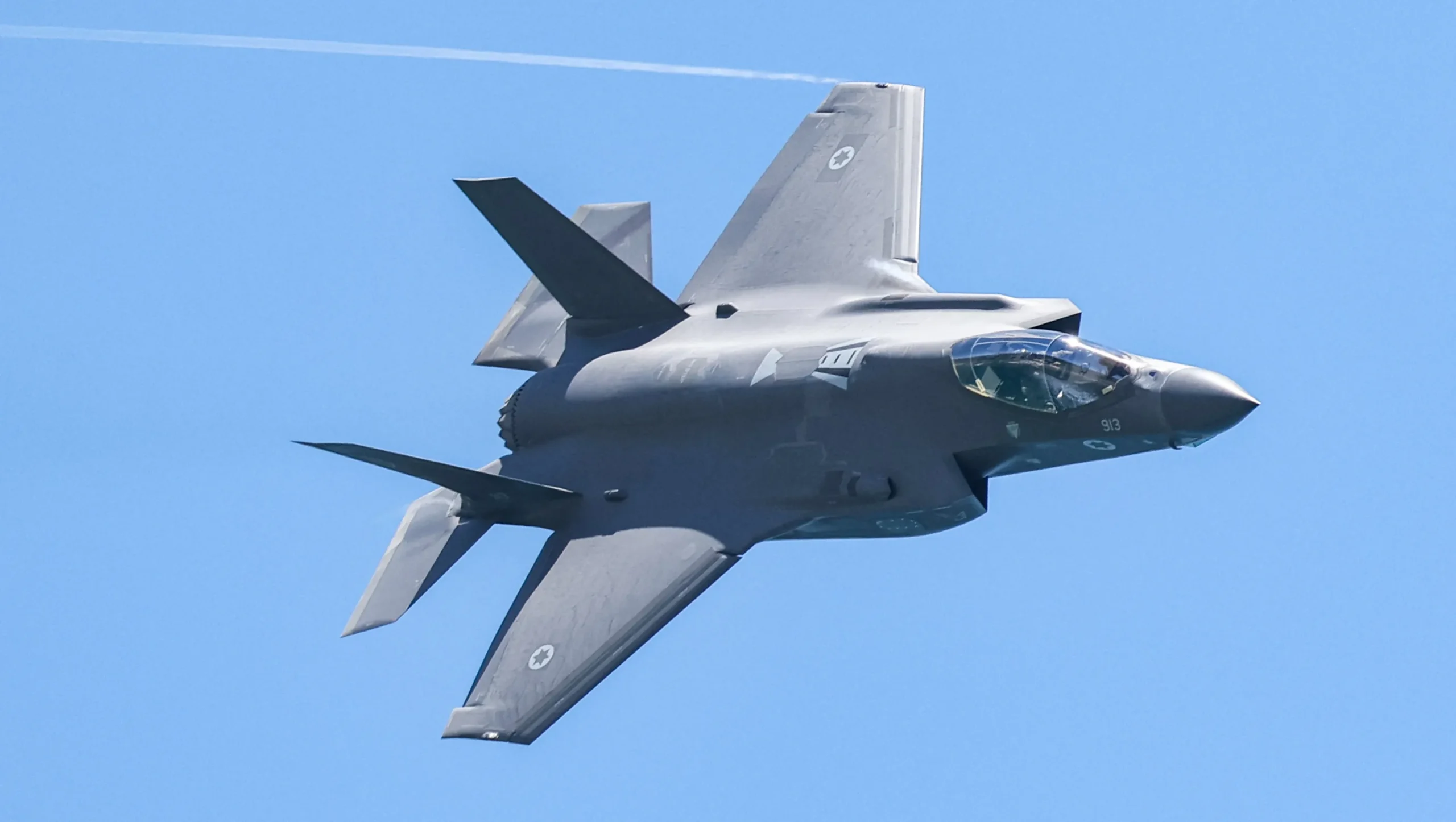
The UK has reintroduced airborne nuclear strike capability into its defense posture as a priority under the new Chief of the Air Staff, Air Chief Marshal Harv Smyth (appointed August 2025). The plan includes acquiring 12 new F-35A fighter jets that are dual-capable (i.e. can carry both conventional and nuclear weapons), which fits into NATO’s nuclear sharing mission. The “airborne deterrent” had been deactivated decades ago, leaving the UK with submarine-based deterrent only (Trident). This is part of a broader UK strategic review to bolster deterrence amid rising geopolitical tensions (e.g. Russia, China) and a stronger emphasis in NATO on burden sharing.
What it will do:
- Defense budget impact: The cost of acquiring, customizing, training, and maintaining the F-35A fleet will be significant. It may divert spending or require higher defense budgets beyond baseline.
- Strategic posture shift: Airborne nuclear capability gives the UK more flexible options, and may alter NATO’s deterrence dynamics. It’s also a signal to allies and adversaries about seriousness of commitment.
How you can benefit:
- Infrastructure & maintenance firms: Aircraft maintenance, logistics, nuclear safety, garrison infrastructure, secure munitions storage, possibly training services.
- Defense prime contractors and suppliers: Lockheed Martin (maker of F-35), as well as UK defense primes (BAE Systems), suppliers of avionics, weapons systems, radars, and safety mechanisms.