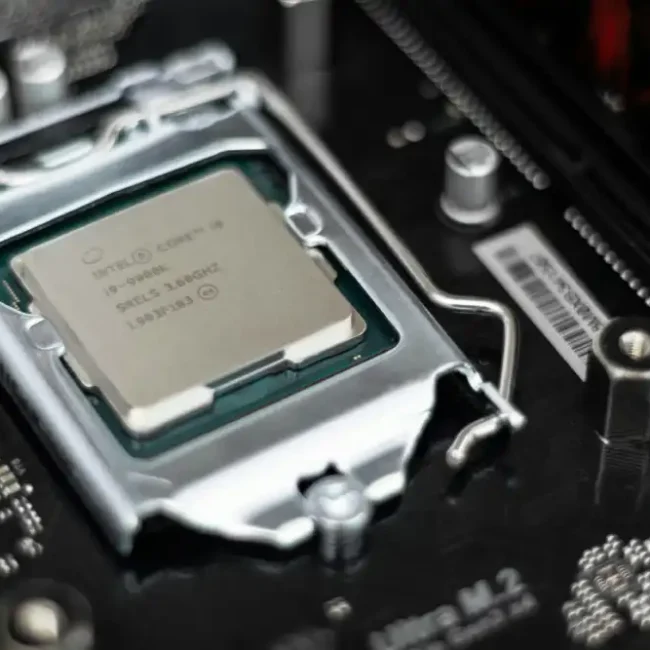

Bank of America strategists, led by Michael Hartnett, are making the case that investors shouldn’t just pile into tech names to gain AI exposure — they should also consider resource / commodity stocks. The rationale: the AI buildout (especially data centers) creates massive demand for energy, raw materials, and metals like copper, which see rising usage in infrastructure, wiring, power delivery, and cooling.
Key Points from BofA’s Thesis
- AI infrastructure is “commodities-hungry” — cables, high-purity metals, energy for cooling and compute, power scaling.
- Copper is a central beneficiary: BofA cites forecasts that AI use alone could drive ~400,000 metric tons of copper demand yearly over the next decade, peaking at ~572,000 tons in 2028.
- Supply growth for copper lags demand: models show copper supply in 2035 may hit ~29 million tons, below projections of demand, creating a structural deficit.
- Because resource equities currently trade cheaper (in many cases) than tech multiples, BofA views them as a more diversified, lower-beta way to capture AI’s upside. MINING.COM
- They also highlight that London’s equity market (with its heavy resource / mining constituents) is a prime arena to capture that dual exposure (resources + AI).
In summary: the BofA team is effectively saying, “Don’t just bet on software and chips — bet on the materials those systems depend on.”
My Analysis: What Works & What Doesn’t
This is an interesting and pragmatic twist to the AI investing narrative. It acknowledges that AI doesn’t exist in a vacuum — it needs wires, metals, power, cooling, infrastructure. But execution complexity, market timing, and margin dilution risks remain. Here’s how I see it:
Strengths in BofA’s Argument
- Asymmetric leverage: Resource companies may be underappreciated in the AI narrative, so outsized upside is possible if demand accelerates.
- Multiple routes to capture: You don’t need to pick a “next Nvidia” — you can pick copper mines, battery/metals, power producers, or infrastructure plays.
- Lower correlation to tech volatility: Resources may cushion the portfolio when tech is overheated or reprices.
- Structural tailwinds: Many of these trends (electrification, grid expansion, renewable power) are already secular themes — AI adds a layering effect on top.
Challenges & Risks to Watch
- Commodity cyclicality & volatility: Metals and raw materials are notoriously volatile; oversupply, capex cycles, or demand downturns can reverse positions quickly.
- Execution & margin compression: Mining or resource firms often grapple with high capital costs, regulatory risk, jurisdiction risk, and operational hurdles. Gains from higher demand could be eaten by cost inflation.
- Timing and lead times: Even if demand accelerates, scaling mines, developing new projects, expanding capacity takes years. The supply response may lag badly.
- Policy / ESG / permitting risk: Many resource projects face environmental, regulatory, social opposition. That can delay or block development.
- “All in the price” risk: If market participants catch on early, some of this may already be reflected in commodity / mining valuations, leaving less juicy upside.
Where & How to Position
If I were reallocating or setting up tactical exposure based on BofA’s thesis, here’s how I’d think about it:
Areas I’d Favor
- Copper / base metal miners — especially those with low production cost, strong balance sheets, and exposure to premium copper grades.
- Critical minerals / battery metal plays — nickel, cobalt, rare earths, lithium — these have overlap with AI / electric / data infrastructure tailwinds.
- Energy / power infrastructure — power generation, transmission, grid expansion, especially in regions where data center construction is booming.
- Mining infrastructure / capital goods providers — companies that build the equipment, processing facilities, smelters, concentrators that resource firms need to scale.
- Integrated resource + tech hybrids — firms that combine resource assets with technology, such as AI in mining operations, predictive maintenance, or smart resource production.
Tactical Ideas & Hedges
- Pairs trades: Long resource names vs short or hedge in overextended pure tech stocks to balance risk.
- ETF / basket plays: Use resource / mining sector ETFs as a base and layer in individual names.
- Option-based exposure: Use call options to capture upside while limiting downside from commodity volatility.
- Staggered entries: Since resource names move in waves, ladder entries over time to avoid “buy the top” risk.