What It Is
- The U.S. Army just launched a program named FUZE, intended to overhaul how the service acquires and fields new technologies. The goal: make the acquisition cycle much faster and more flexible, more like how venture capital funds operate.
- FUZE will coordinate and channel about $750 million annually across several existing funding streams: prize / competition programs (like xTech), small business innovation programs, technology maturation, and manufacturing technology efforts.
- A key move is embracing risk: recognizing that many of these tech investments won’t pan out, but expecting some to deliver outsized, revolutionary impact.
How It Works Differently Than the Old Way
- Problem first, or tech-first? Traditionally, the Army defines a problem, then seeks a contractor to solve it. FUZE flips that somewhat: it also looks for emerging technologies that might reshape how the Army frames its problems.
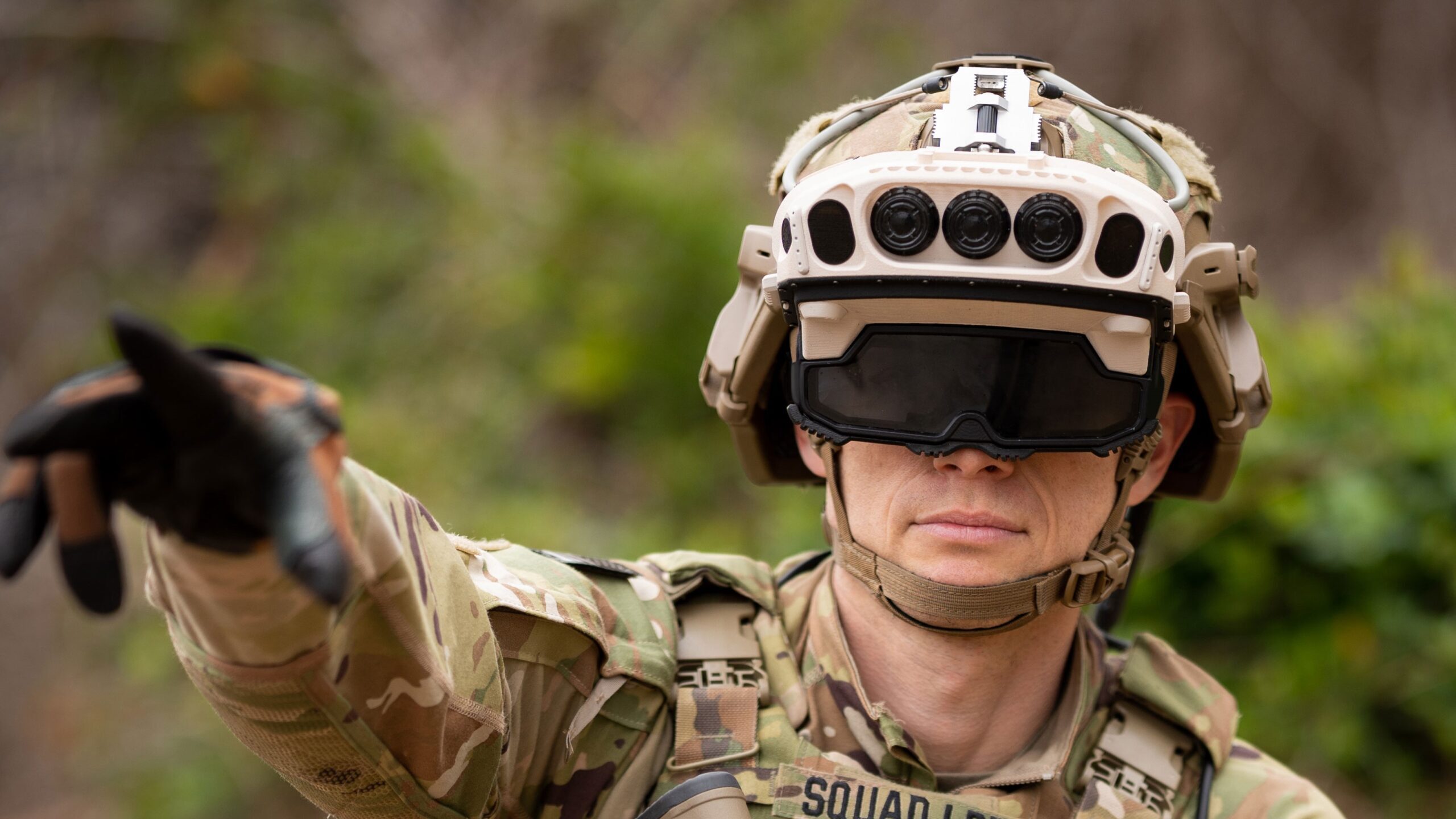
- Rapid prototyping & fielding: Winners in FUZE competitions can see their prototypes move into soldier hands in real operational environments, not just labs.
- Shorter “time to prototype” targets: Army leadership is aiming for prototypes to reach soldiers in the field in 30-45 days, and acquisition pathway in as little as 10 days in some cases — a dramatic compression compared to traditional procurement.
Focus Areas
FUZE will initially emphasize four tech areas:
- Electronic Warfare
- Unmanned Aerial Systems (UAS)
- Counter-UAS
- Energy resiliency at the edge (forward-deployed power solutions)
Why It Matters
Strategic & Policy Implications
- Closing the “valley of death”: Many military technologies stall between research and field deployment. FUZE is designed to bridge that gap by funding prototyping, manufacturing, and soldier evaluations.
- Cultural shift in acquisition: The Army is adopting more agility and tolerance for failure — unusual for defense procurement.
- Alignment with private-sector pace: Emerging technologies like drones, sensors, and power systems evolve quickly; slow procurement risks obsolescence. FUZE is a response to that.
Investor / Industrial Implications
- Opportunities for startups: FUZE lowers barriers for smaller firms with agile, disruptive technologies to enter the Army’s procurement pipeline.
- Supply chain & scaling demand: Manufacturing tech is part of FUZE’s focus, so companies that can rapidly scale prototypes or supply components stand to gain.
- Potential outsized returns: The venture-style portfolio approach means many failures, but also the potential for very high-value wins.
Risks & Challenges
- Execution risk: Moving from announcement to actual delivery in 30–45 days is ambitious.
- Safety & oversight: Speeding validation risks compromising safety, interoperability, or cybersecurity.
- Cultural inertia: Bureaucracy and risk aversion could reassert themselves over time.
- Budget politics: Funding continuity depends on political support.
- Technology risk: Many experimental systems will fail; portfolio balance will be critical.
Bottom Line
The FUZE initiative represents a major cultural and operational shift in U.S. Army procurement — moving toward speed, flexibility, and tolerance for risk in pursuit of disruptive battlefield technologies. For investors and defense suppliers, it opens doors for quicker engagement, but requires the ability to deliver field-ready solutions under accelerated timelines.