Date: Sep 2025 — prepared from public program milestones and industry context
Executive summary
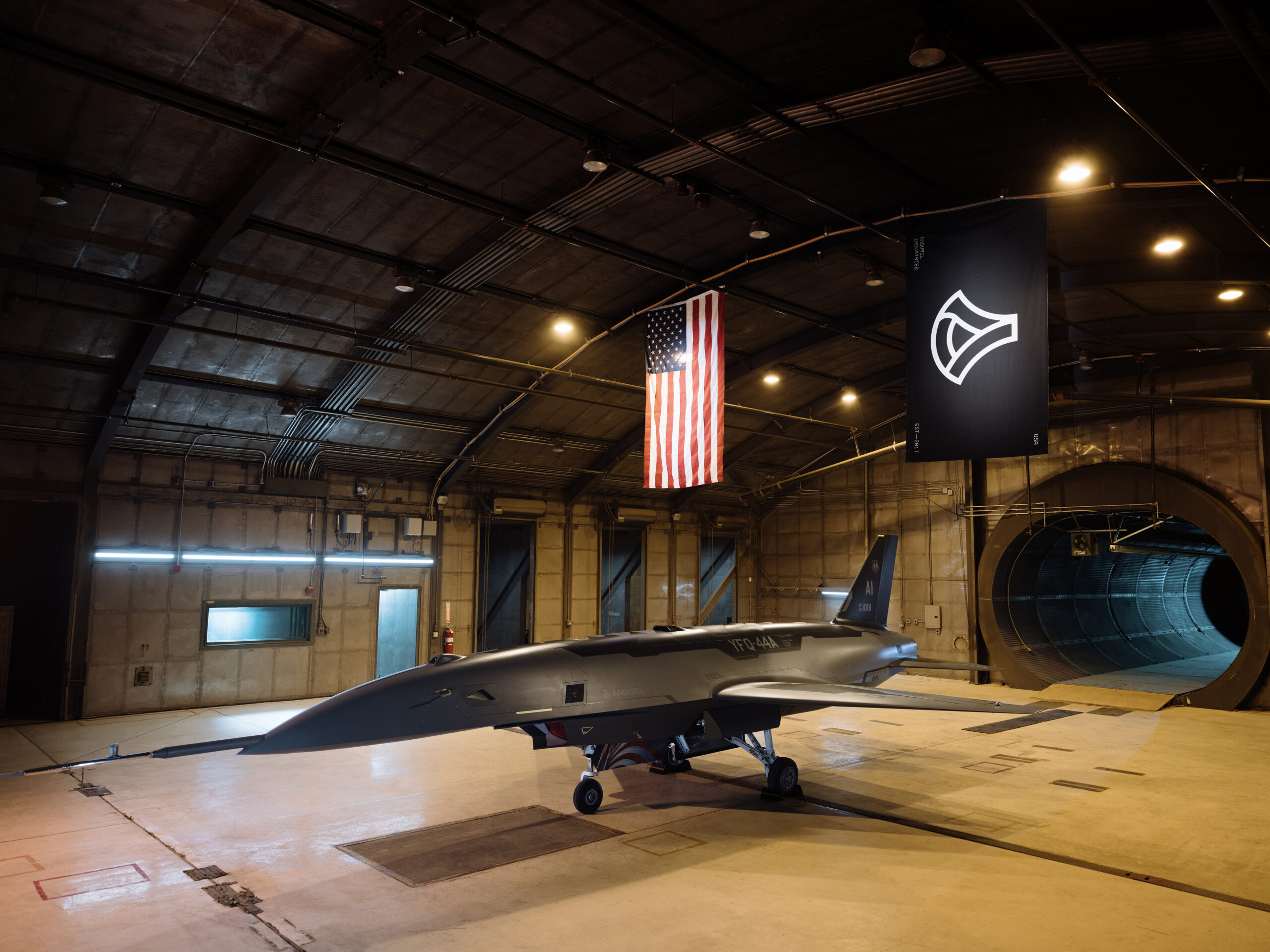
Anduril’s YFQ-44A collaborative combat aircraft (CCA) is weeks away from its maiden flight and is being positioned to fly semiautonomously from takeoff to landing. The program is one of two entrants for the U.S. Air Force’s first CCA increment (the other is General Atomics). If Anduril proves early, reliable autonomy in flight, it materially accelerates adoption timelines for “loyal wingman” concepts and creates multi-decade opportunity across primes, subsystems, software and sustainment — but also concentrated program and regulatory risks. For investors, the event is a clear catalyst window: flight success should rerate vendors in autonomy, sensors, communications and MRO; setbacks would postpone value realization and raise funding / program risk.
What materially changed this week
- Anduril cleared late ground testing and is preparing for first flight (expected in short order).
- Company management says the YFQ-44A will demonstrate semiautonomous taxi, takeoff and landing (i.e., autonomy handling flight-critical segments).
- The Air Force views CCAs as a scale program (goal: ~1,000 CCAs) to fly with crewed fighters — implying large multi-decade unit demand if the concept and budgets hold.
Why investors should care (strategic implications)
- Technology inflection — Semiautonomous first flight demonstrates a step from remote-piloted UAVs toward distributed autonomy. That threatens to change how air combat systems are architected (software > manned platforms mix).
- Addressable market size — If the USAF scales to hundreds/thousands of CCAs, demand spans airframes, sensors, EW packages, communications, autonomy software, ground control, logistic chains and training — a long supply chain payout.
- Winner-take-some dynamics — Early autonomy wins establish toolchains, certifications, and integration IP that are costly to replicate; leaders can capture platform primes and recurring sustainment revenue.
- Export & allied scale optionality — Allied air forces buying F-47 / F-35 or future fighters may adopt wingmen too; export controls and doctrine will shape which vendors access those markets.
- Program risk is high — aircraft programs historically slip and cost-inflate; autonomy adds software, certification and safety complexity; political/budget changes could slow scale.
Actionable investment plays (how I’d position the portfolio)
A. Core high-conviction (buy/overweight)
- Autonomy & AI software suppliers — firms that provide certified, safety-critical autonomy stacks, verification/validation tools, and real-time OSes. These vendors will be high-value suppliers for multiple CCAs and future manned/unmanned teaming. Why: Software is the moat; repeatable sales and high margins.
- Secure datalinks & tactical comms — low-latency, jam-resistant mesh links are mandatory for coordinated ops. Companies with fielded airborne tactical datalinks and waveforms stand to benefit from scaling.
- Sensing & EW specialists — AESA radars, distributed EO/IR, SIGINT/ELINT and electronic warfare payload makers. CCAs increase total sensor nodes per mission, multiplying demand.
- MRO & sustainment platforms — modular airframes plus high sortie rates mean recurring spares, depot services, and upgrade contracts; players with defense sustainment footprints are stable cash plays.
B. Tactical/constructive (selective)
- Primes with integration capability — larger primes that will either be the integrators for CCA fleets or suppliers to USAF modernization programs (avionics, weapons integration). Hedged exposure makes sense; primes have balance-sheet downside protection.
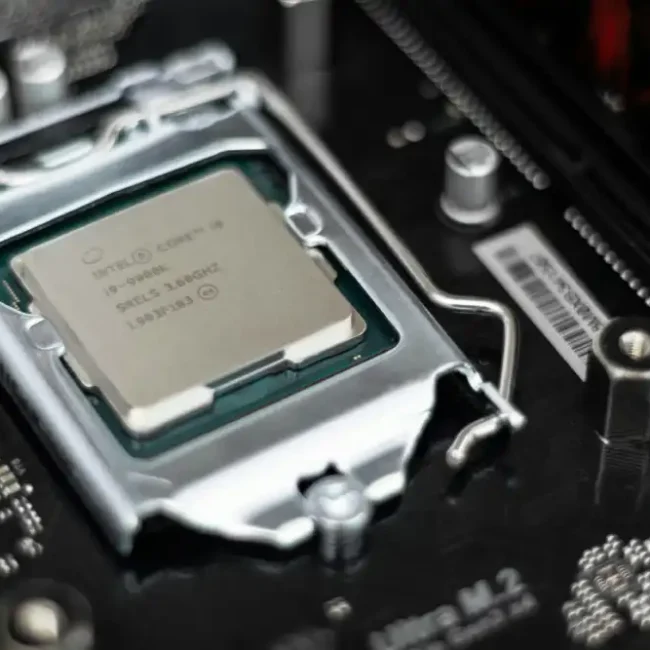
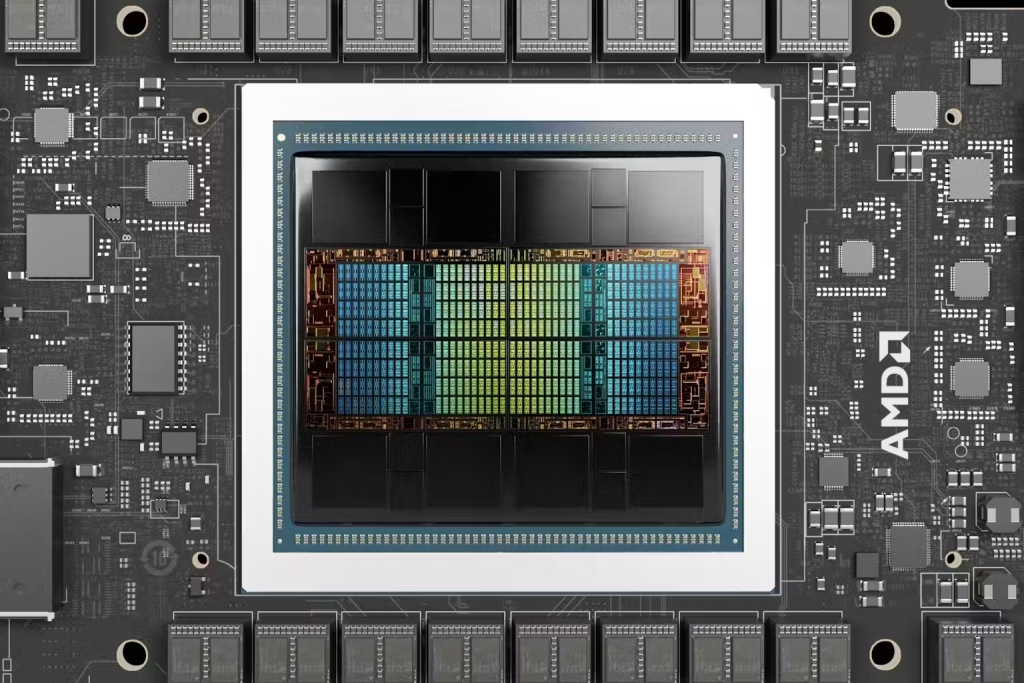
- Foundry / semiconductor suppliers for avionics — high-reliability components and rad-hard or secure semiconductors will see incremental demand. Look for firms with government qual and long lead times.
- Edge compute / SW validation tools — companies that sell verification, simulation and digital twin environments used for certifying autonomous behavior.
C. Opportunistic / optionality (higher risk, higher reward)
- Small cap niche vendors — specialized autonomy startups, small makers of AEW pods, small UAV primes. Returns can be high but contracts are binary; position size should be small and event-driven.
- Defense-tech private deals — co-invest in later-stage private autonomy/robotics firms that could become acquisition targets for primes or Anduril-like platform owners.
D. Hedges / shorts (risk management)
- Short or underweight firms heavily exposed to legacy, crewed-only fighter programs that lose budget share to mixed manned/unmanned strategies.
- Options protection around flight test milestones** — buy modest put protection on small/mid cap suppliers where a failed first flight would be acutely valuation-negative.
Key catalysts & signals to trade around
- First flight outcome & autonomy performance (flight success + autonomy handling taxi/takeoff/landing): immediate short-term market reaction for robotics/autonomy vendors.
- Flight test data releases (safety incidents, flight hours, autonomy engagement events). Positive metrics accelerate confidence; incidents increase scrutiny and re-pricing.
- Awarding of follow-on OTAs / contracts (Other Transaction Authority prototype/commercial contracts to Anduril or suppliers). These convert R&D to revenue runway.
- USAF procurement guidance / POM funding (program of record inclusion, number of planned units and funding profile). Best durable signal of scale.
- Export policy / ITAR decisions (controls on autonomy tech will determine allied addressable market).
- Competitor milestones — General Atomics’ YFQ-42A flight data, or any EU/UK/Israeli wingman programs. Relative performance drives share allocation and partner interest.
Metrics & KPIs I’ll watch weekly
- Number of successful autonomous takeoff/landing cycles in test; autonomy disengagement events.
- Cumulative flight hours, sortie success rate, and software change velocity (sprint cadence vs regression bugs).
- OTA / prototype contract sizes and whether they include funded transition to production.
- Program funding line items in DoD budget/POM (increment counts, unit price caps, sustainment estimates).
- Supplier awards — avionics, sensors, datalinks, propulsion, targeters.
- Any safety incident investigations or constraint letters from USAF/FAA/National regulators.
Risk map (what could go wrong)
- Autonomy failure / flight incident — even a single mishap can trigger pauses, investigations and manifest as multi-month program delays.
- Certification complexity — safety arguments for autonomous takeoff/landing are novel; regulators may impose new tests that lengthen the schedule.
- Budget re-prioritization — shifting DoD priorities or budget cuts could truncate scale ambitions (1000 CCAs is aspirational).
- Export & legal limits — ITAR/dual-use export control could limit allied sales or push production overseas (raising costs).
- Adversarial countermeasures — EW, cyberattacks against autonomy and datalinks may reduce operational utility and slow adoption until mitigations are fielded.
Scenarios & implied returns (high level)
- Upside (program scales): Clean flight → positive test data → USAF funds increment-1 buy + accelerated production. Winners: autonomy stack providers, datalink makers, EW/sensor OEMs. Private/early-stage suppliers get M&A exits; public suppliers re-rate 10–30% depending on exposure.
- Base (steady progress): Flight success but slower qualification and measured buy rates. Incremental growth in supplier revenues and modest multiple expansion as technology proves out.
- Downside (incident/stall): Mishap or certification thorn delays major buys by 2–4 years; suppliers face revenue deferrals; speculative small caps may crater while primes/defense integrators absorb write-downs.
Practical trade ideas (examples)
- Buy: Defense primes and mid-tier firms that supply avionics, tactical datalinks, EW and have visible backlog and strong balance sheets. (size positions to conviction and liquidity).
- Avoid / trim: Small firms whose valuation assumes rapid fleet buys and offer little corporate runway if procurement slips.
- Event hedge: Small put positions on speculative autonomy names prior to the first flight; flip to calls if flight outcomes are positive and test metrics are credible.
- Private deployment: For PE / credit desks — look for mezzanine debt or structured equity in sustainment contractors that will receive long lifecycle revenue streams from early CCA adopters.
Recommended watchlist (first 90 days)
- First flight success/failure and immediate test data.
- OTA / prototype contract announcements (who receives funded follow-on work).
- Any USAF statements on Planned Force Structure & POM guidance.
- Supplier award announcements (avionics, datalinks, sensors).
- Regulatory commentary (DoD/FAA on autonomy/certification guidance).
- General Atomics’ comparative test outcomes (market share battles begin in test phase).
Bottom line (one-liner)
A successful semiautonomous first flight for Anduril’s YFQ-44A would be a structural inflection point for manned/unmanned teaming and create a multi-year industrial cycle of hardware, software and sustainment demand — but the path is software-intensive, certification-heavy and binary around test outcomes, so position sizes should reflect event risk and program execution uncertainty.