
What the AU Is Proposing
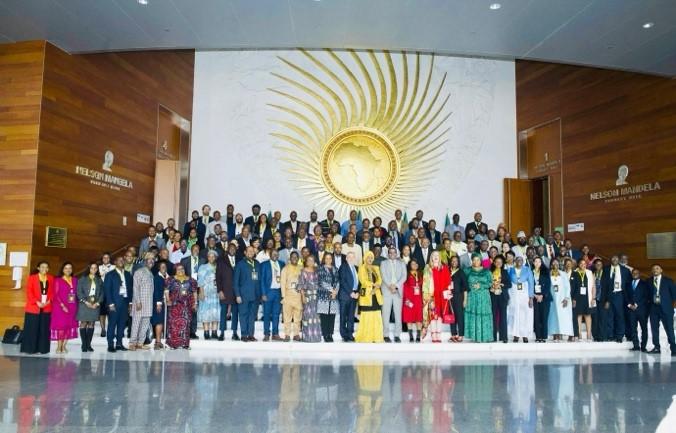
- The African Union (AU) plans to create a coalition of mineral-producing countries across Africa, particularly those rich in critical or “green transition” minerals. The goal is to coordinate and cooperate more strategically around extraction, processing, and value addition of critical minerals.
- The coalition is part of a broader initiative called “Africa’s Green Minerals Strategy”, which aims to use Africa’s mineral resources to support climate-resilient development, industrialization, and more sustainable economic growth.
- The AU explicitly frames this effort in response to the growing global demand for minerals needed for renewable technologies, batteries, electric vehicles, and clean energy infrastructure. They want Africa not just to supply raw materials, but increasingly to capture more of the downstream value (refining, processing, possibly manufacturing).
- At the same time, the AU is pushing for more regional coordination, better governance, stronger value chains, and more sustainable, transparent mining practices. They want stronger international partnerships and finance flows to support the infrastructure and capacity needs.
Why Now & What’s Being Driven By
- Demand for critical minerals is projected to surge globally, due to the push for decarbonization and green energy technologies. Africa has large reserves of many of these minerals (rare earths, cobalt, etc.), so there’s a major opportunity.
- There’s growing pressure to move beyond exporting raw, unprocessed minerals, which typically capture very little of the value and leave local economies with less benefit. Value addition, local processing, refining, etc., are trending priorities.
- Also, geopolitics plays a role: with global supply chain vulnerabilities, countries (and blocs) want more diversified and resilient sources of minerals. Africa wants to avoid being just a supplier of raw materials, at the mercy of external processing or market infrastructure located elsewhere.
Key Challenges & Risks
Before this becomes more than just a policy statement, several obstacles will need to be addressed:
- Infrastructure & Processing Capacity
Many African countries lack sufficient refining, processing, and manufacturing infrastructure. Building them requires significant investment, technical know-how, regulatory alignment, and energy availability. - Governance, Transparency, & Environmental / Social Issues
Mining (especially for critical minerals) has been associated in many places with environmental degradation, social/community conflicts, labor issues, and sometimes corruption. Ensuring strong governance frameworks and benefit sharing will be crucial to avoid negative outcomes or backlash. - Financing & Investment
Major capital is required to build value-add plants, improve infrastructure (roads, power, water), carry out regulatory reforms, etc. External finance, domestic political stability, and incentives will matter. - Policy & Regulatory Harmonization
If multiple countries are to collaborate, consistent policies on taxation, export/import duties, environmental regulation, mining laws, trade, etc., will need to be aligned regionally. Otherwise, fragmentation undermines collective bargaining power. - Market Risks & Volatility
Prices of many critical minerals are volatile, linked to demand forecasts, supply chain bottlenecks, geopolitical risks, and technological change. Overbuilt supply could depress prices; under-investment could leave supply insufficient. - Competition from Other Players
China, the EU, the US, and others are deepening their positions in African critical mineral supply chains. Africa’s coalition will be stepping into a competitive arena. External powers may offer attractive deals, so the AU coalition must balance local interests carefully.
Industrial & Investment Implications
If this coalition gains traction, there are several knock-on implications and opportunities for companies, governments, and investors:
| Area | Potential Upsides / Opportunities |
|---|---|
| Mining & Processing Firms | Companies involved in downstream refining/processing of minerals are likely to benefit. Those who can locate processing facilities in Africa (or partner with local firms) may earn higher margins. |
| Infrastructure & Energy Suppliers | Refineries, smelters, clean energy generation, reliable power/grid infrastructure will be in demand. Logistics (roads, ports, rail) to move minerals will also need upgrades. |
| Sustainability / ESG Leaders | Firms with strong environmental, social, and governance practices may be preferred partners; they can help set standards, reduce risk, and gain favorable international contracts. |
| Investors Looking for Early-Stage Value | Upstream exploration, mining, and capacity expansion could be early plays. Also, financing / risk underwriting (e.g. via development finance institutions) could gain in importance. |
| International Partners & Supply Chain Diversification | Countries or regions wanting to reduce reliance on China or other dominant players in mineral supply chains may partner with African nations via this coalition. This could fuel trade/investment deals. |
What to Monitor & Signs of Progress
To gauge whether this AU mining coalition will become impactful (vs. just aspirational), here are key indicators:
- Formal establishment of the coalition (charter, membership, governance structure, funding sources)
- National mineral-producing countries making changes in regulation, taxation, or offering incentives for local processing/refining
- Commitments (public & private) of investment into downstream capacity (smelters, refineries, value addition plants)
- Uptake of ESG / disclosure / transparency frameworks for mining operations in those member countries
- International agreements or partnerships for finance, technology transfer, and trade that favor value-added mineral supply chains in Africa
- Any changes in trade policy or export bans/taxes aimed at encouraging local processing rather than raw export
Bottom Line
The AU’s proposal to form a coalition of critical minerals–producing countries is a big strategic signal. If implemented well, it could shift Africa’s role in global mineral supply chains from being raw input providers to more value-added producers. That means higher potential economic gains, job creation, more resilience, and better bargaining power. But realizing that potential requires substantial investment, regulatory reforms, infrastructure, and strong governance.