
Alright bro here’s the nutshell: The three stories all show that capital, structure and strategy matter just as much as headline tech or telecom brand names. First, in Canada we’re seeing a smaller telecom (Quebecor) being picked because it has growth upside where the majors are stagnant. Second, SoftBank’s exit from Nvidia shows the AI wave is shifting—big players are redirecting capital toward infrastructure, robotics and new domains. Third, the tech giants (Meta, xAI) are quietly using sophisticated finance (off-balance-sheet debt) to build out AI/data-centre muscle, which changes how we must evaluate risk and opportunity. For an investor, that means don’t just pick the biggest brand—look at underlying growth, financing strategy, infrastructure positioning, and hidden risk/exposure.
Good: Canadian telecom pick: Not the usual big three

Whats Up?:
So one major Canadian bank just publicly picked a telecom stock that’s not the usual suspects like Rogers Communications, BCE Inc. or TELUS Corporation. Instead they’re pointing toward Quebecor Inc. (ticker QBR.B) as the one to watch. According to the article, Quebecor’s stock is already up 50 % this year on the TSX; the bank sees more upside.
Key context: The Canadian telecom sector has been pretty saturated; the big three dominate wireless, fixed-line and media. Quebecor is smaller, focused heavily in Quebec and the telecom + media space, and seems to be gaining momentum. (Supplemental: SeekingAlpha article elaborates growth metrics for Quebecor vs peers). Seeking Alpha
What’s Next:
- For the telecom sector: If the bank’s call gains traction, the “smaller/underdog” telcos may start getting more investor attention. That could shift valuations somewhat away from the entrenched incumbents.
- For Quebecor: The spotlight may accelerate its growth narrative (more expansion, more wireless share, maybe more M&A) but also raise expectations. If they stumble, the relative smaller base could lead to bigger swings.
- For investors: The usual safe “big three” telecoms might look less exciting if this pick pans out; also, valuations may start diverging more sharply between leaders and fast-growing challengers like Quebecor.
What Can You Do?:
- If you believe in the bank’s call, Quebecor is the “pick” — check metrics like subscriber growth (especially wireless/mobile), geography expansion outside Quebec, and free cash flow trends. For example, one article says: “Quebecor is a small player with big growth potential.” The Motley Fool Canada
- Compare valuations: The smaller telco may have more growth built-in; if its P/E or EV/EBITDA looks lower than peers given the growth, that could be attractive. For instance, one note says Quebecor trades at ~6.8× 2026 EV/EBITDA per JPMorgan. Investing.com
- Risk management: Because it’s less dominant than the incumbents, it may carry more execution risk (network build-out cost, competition from big players). So position size accordingly. Also keep an eye on dividend yield / stability since telecoms are often income plays.
Bad: SoftBank Group Corp. sells its stake in Nvidia Corporation to fuel AI bets
Whats Up?:
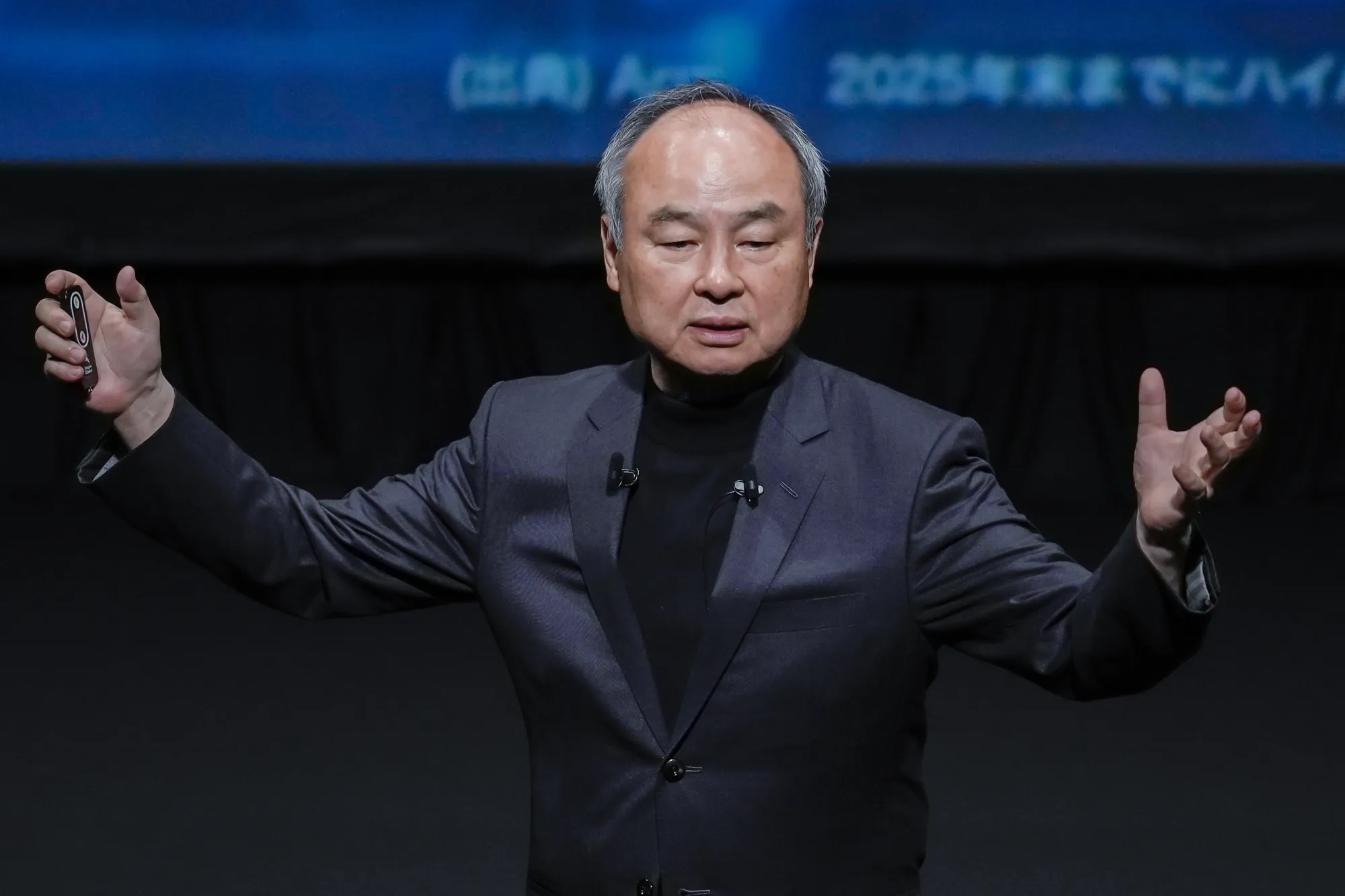
SoftBank just announced that it sold its stake in Nvidia (~US$5.8 billion worth) as part of a strategic push into AI. They say it’s not because they dislike Nvidia, but because they need capital to back their large commitment to AI (especially to OpenAI).
In context: SoftBank has been known for aggressive tech bets, and this signals two things: (1) They believe the major leverage in AI is shifting, maybe Nvidia is “mature” in their view, and (2) they are redirecting capital toward upcoming players/infrastructure/AI ecosystem moves rather than just GPU stock exposure.
What’s Next:
- For Nvidia: Market is interpreting this as a signal that even big shareholders believe future upside may be more modest; Nvidia shares dropped ~2-3 % on the news. Reuters
- For SoftBank/AI ecosystem: SoftBank is doubling down on AI infrastructure, robotics, “physical AI” and such. That means capital will flow into the infrastructure and enablers of AI rather than maybe just the chip stack.
- For the broader market: This raises questions about valuations in AI—they might not all be as open-ended as people assumed. The pivot suggests a maturation and greater selectivity in where AI capital goes.
What Can You Do?:
- For chip plays (Nvidia, AMD): The SoftBank move is a caution flag—not a sell-signal per se, but watch for slower growth expectations or margin pressure if infrastructure capex shifts. If you own Nvidia, set tighter monitoring on share commentary and earnings guide.
- Infrastructure-/AI-ecosystem plays: If SoftBank is moving into “physical AI” (robotics, autonomous vehicles, AI infra) then companies enabling that trend might benefit. Think robotics manufacturers, AI infrastructure suppliers, data center hardware providers.
- Diversify within AI: Instead of being concentrated in “the big chip maker”, consider exposure to enablers with growth tailwinds now highlighted. Maybe look for names that service the shift SoftBank is betting on.
Ugly: Meta Platforms, Inc. (and others) using off-balance-sheet debt to fund massive AI build-out
Whats Up?:
This one’s heavy but important: Bloomberg and follow-ups report that Meta (and others like xAI) are increasingly using special purpose vehicles (SPVs) and off-balance-sheet structures to raise billions in financing for AI/data center build-out, thereby keeping the debt off their main balance sheets. The analytics show that by 2028, global AI infrastructure build-out could require ~$2.9 trillion, of which ~$1.5 trillion is debt-financed, with ~$800 billion coming from private credit markets structured via these SPVs. Edward Conard
In context: Meta’s capex is already jaw-dropping ($72 billion this year per one article) and this financing trick allows heavy investment without showing huge leverage (which might worry investors/creditors). The article connects the trend to both stealth risk and stealth growth.
What’s Next:
- For tech companies: The playing field changes. They’re not just competing on hardware or software, but also on who can build infrastructure fastest with optimal financing. Those that master the “cheap-capital, fast-build” game may gain edge.
- For investors: The off-balance-sheet nature means risk may be underestimated—investors might not be fully pricing in leverage or cash-flow burden. Also returns may lag if financing costs rise or if the financing structure backfires.
- For markets: If many companies do this, more capital may flow into private credit/unseen debt buckets, potentially altering liquidity, credit spreads, and risk profiles across sectors.
What Can You Do?:
- Monitor companies’ true leverage: don’t just look at on-balance-sheet debt; dig into disclosures for SPVs, joint ventures, data-center leasing commitments. Companies like Meta and xAI are early adopters.
- Infrastructure enablers again: If massive capex is expected in AI/data centres, then hardware suppliers, construction/engineering firms, and financing/intermediary firms might benefit.
- Beware surprises: A company with low visible debt might hide large commitments via SPVs. That could lead to material negative surprises if something goes wrong (e.g., asset write-downs, higher cost of capital). So risk-adjust your valuations accordingly.