Overview
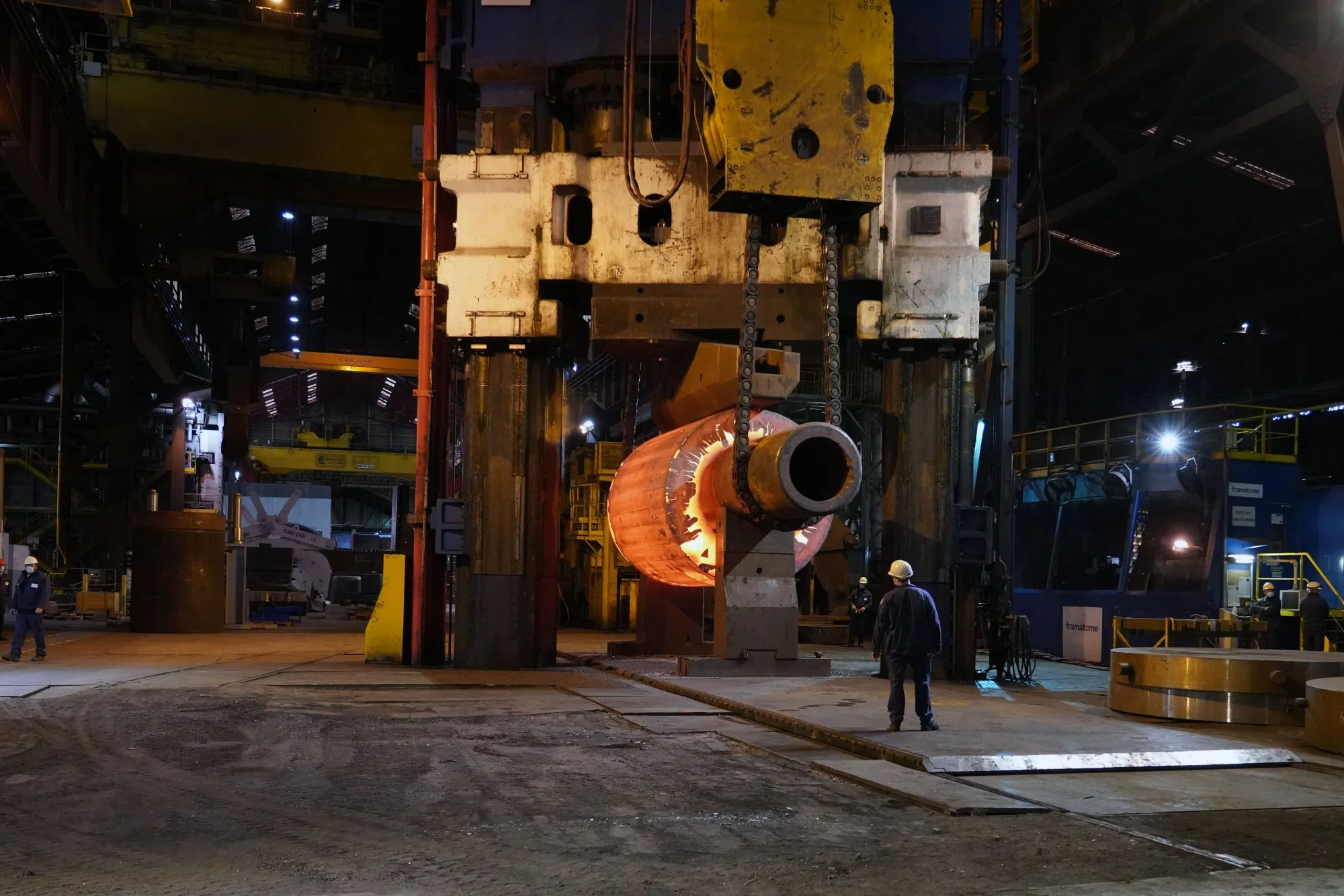
The French nuclear-fuel specialist Framatome, a unit of EDF, is pursuing German regulatory approval to begin manufacturing nuclear fuel assemblies based on Russian reactor designs (VVER‐type) with the aim of serving Central European utilities (for example in the Czech Republic and Bulgaria) as early as next year.
Key points:
- Many Central and Eastern European reactors were originally built to Russian (Soviet) design specifications (VVER reactors) and historically have sourced fuel or fuel technology compatible with that design. Framatome’s move is to manufacture fuel compatible with these Russian-design reactors in a Western facility (in Germany), subject to the German authorities’ approval. Bloomberg
- The request for German approval is significant because Germany traditionally has limited nuclear production (especially after its nuclear phase-out decisions) and stringent regulatory supervision; approval would signal a regulatory acceptance and supply‐chain shift. Clean Energy Wire
- The broader context: Europe’s utilities are seeking to reduce dependence on Russian‐supplied nuclear fuel, or at least diversify their suppliers of fuel assemblies and enrichment. For example, a recent article noted that the uranium enrichment consortium Urenco Ltd. is accelerating expansion to serve non-Russian supply chains. Bloomberg
- Framatome’s initiative can be seen as part of re-engineering fuel supply chains for the VVER fleet in Europe, offering an alternative to Russian supply or participation (direct or indirect) in the Russian nuclear-fuel ecosystem.
Strategic & Investment Implications
From a professional investor’s perspective, this development offers several important themes and potential opportunities — but also risks.
Key Themes & Trends
- Supply-chain localisation & diversification in nuclear fuel
The move reflects a broader shift in nuclear-fuel supply chains: utilities and governments in Europe are actively seeking to reduce reliance on Russian fuel designs, supply contracts, enrichment services or assemblies. This creates runway for Western suppliers (and Western‐based manufacturing). - Regulatory gateway/trust milestone
Approval by German regulatory authorities for manufacture of “Russian‐design” compatible fuel in Germany would mark a trust milestone. It opens not only the German market (or German-manufactured exports) but also signals regulatory comfort with cross‐design adaptation. This could accelerate similar arrangements across Europe. - Addressing an installed base of VVER reactors
Many Eastern European utilities still operate VVER reactors (Russian design) and must maintain fuel supply. As Russian direct supply becomes geopolitically sensitive, utilities may look for Western alternatives. A manufacturer able to credibly supply compatible assemblies has a large addressable market. - Capital-intensive manufacturing/infrastructure opportunity
Nuclear-fuel assembly manufacturing, quality assurance, licensing and regulatory compliance are high-barrier businesses. Firms that move early may secure “first‐mover” advantage in the Western alternative fuel‐assembly market for Russian-design reactors. - Geopolitical & regulatory risk cross-currents
On one hand, reducing Russian supply dependence is politically supported in Europe; on the other hand, switching fuel suppliers in a nuclear-environment carries technical/engineering risks (compatibility, licensing, performance, safety). Also, ongoing regulatory/ESG pressure remains significant in nuclear.
Potential Investment Opportunities
- Manufacturers of nuclear fuel assemblies: Companies (or subsidiaries) like Framatome that can adapt to VVER design compatibility may capture incremental market share.
- Enrichment & conversion services: Firms providing uranium conversion/enrichment services that cater to non-Russian supply chains may benefit (e.g., Urenco expansion).
- Utilities with VVER reactors in Central/Eastern Europe: These companies may gain structural cost advantages or supply‐security improvements by switching or partnering with Western suppliers.
- Engineering & manufacturing services: The manufacturing, regulatory approval, quality assurance and licensing services around fuel assembly production may see higher demand.
Risk/Considerations for Investors
- Execution risk: Conversion of design and regulatory approval of fuel assemblies for a different reactor design is complex; delays or technical issues could erode expected returns.
- Regulatory/safety risk: Nuclear fuel manufacturing is subject to stringent oversight, potential safety incidents, and political cross-winds.
- Geopolitical escalation risk: Although the move reduces dependence on Russian supply, it also may provoke counter-measures or supply chain disruption if Russia reacts (directly or via contracts).
- Market size and timeline: While the addressable market (VVER reactors in Europe) is meaningful, growth is limited compared to large global reactor markets; zudem, transition may take years.
- ESG and long-term electricity transition risk: While nuclear is often part of decarbonisation strategies, some investors may still see reputational or policy risk in nuclear investments (waste, decommissioning cost, public acceptance).
Potential Portfolio Moves & Considerations
- Long: Manufacturing/engineering firms that are early in adapting to non-Russian fuel‐design compatible assemblies and securing regulatory approval—e.g., Framatome and its peers.
- Long: Enrichment & conversion service providers (especially those with Western-based operations and expansion plans) capturing demand from utilities seeking alternative supply chains.
- Selective: Utilities operating VVER reactors that secure long‐term contracts from Western fuel suppliers—could benefit from improved supply security and possibly margin improvement.
- Hedge/Avoid: Entities heavily reliant on Russian supply chains for nuclear fuel or with no feasible switch strategy—these may face supply disruption or cost creep.
- Monitor: Regulatory announcements from Germany (and other European regulators) on approval timelines, licensing of new fuel assemblies, and any performance data of first commercially supplied assemblies under the new regime.
Outlook & Milestones to Watch
- The approval decision by German authorities for Framatome’s manufacturing of VVER-compatible assemblies — once granted or delayed, that will be a key signal.
- Contract wins / supply agreements from Central/Eastern European utilities for Western-manufactured VVER fuel assemblies.
- Technical performance and safety/operational data of first assemblies delivered under the new supply chain.
- Enlargement of manufacturing capacity in Europe for VVER compatible fuel and associated infrastructure investment announcements.
- Regulatory / geopolitical policy shifts in Europe around nuclear fuel sourcing – especially how the EU and individual states treat Russian fuel supply, and whether incentives or restrictions emerge.
Conclusion
From the vantage point of a sophisticated investor, this news is not simply about one company seeking regulatory approval — it represents a structural shift in nuclear-fuel supply chains in Europe: moving from Russian-dominated compatibility to diversified Western-manufactured alternatives. The implications extend across manufacturing, services, utilities, and geopolitics.
By positioning early in firms that can credibly supply VVER-compatible fuel assemblies (with regulatory approval and manufacturing capabilities) or the upstream enrichment/conversion services feeding that chain, one can tap into a niche but meaningful segment of the nuclear‐fuel value chain with upside and a defensible moat.
However, successful outcomes will depend on execution, licensing, safety performance, and eventual scale. It is a medium-term theme (3-7 years) more than a short-term trade.