
We’re seeing demand anchoring + platform expansion + content boundary shifts in these stories. India’s $15B U.S. oil commitment signals trade & commodity diplomacy; Starship’s repeat success accelerates space commoditization; and ChatGPT’s move toward erotica draws a new line in content policy, with infrastructure and compliance implications. For investors: tilt toward commodity exporters & midstream infrastructure with stable contracts, back space-adjacent payload / debris / SSA plays, and stack small bets in moderation / compliance / content filters / age-verification as AI content boundaries loosen.
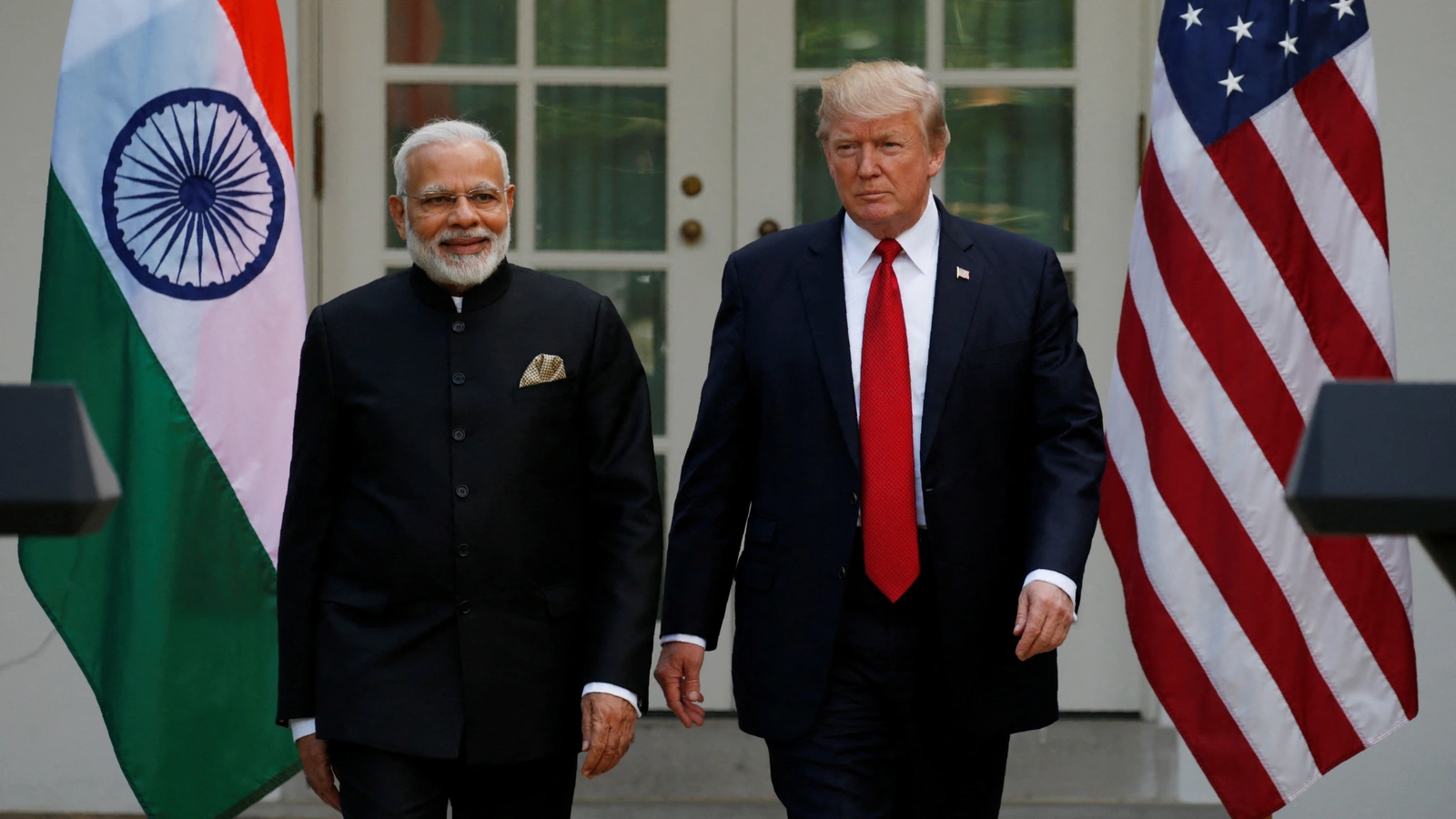
Good: India ready to drop $15B on U.S. oil during trade talks
What it is:
Bloomberg reports that India is lining up $15 billion in U.S. crude purchases as leverage in broader trade negotiations, tying energy access to improved tariff terms, investment pathways, and supply guarantees. Big picture: India wants stable energy supply from the U.S. to diversify away from Middle East volatility, while also using the commitment to push U.S. geo-economic alignment. This isn’t just buying barrels — it’s diplomatic commodity underwriting. (bloomberg.com)
What it will do:
- U.S. energy demand anchor: Committing $15B ensures U.S. exporters see longer-horizon contracts, smoothing supply expectations in export corridors (e.g. Gulf, Houston, Mexico).
- Price floor buffer: If India takes forward cargoes, it acts as a quasi-backstop demand in weaker cycles, especially for Gulf and U.S. crude grades.
- Trade negotiation lever: This deal gives India bargaining chips for U.S. trade concessions, possibly easing technology transfers, tariff relief, or visa/work rules.
How you can benefit:
- Bet U.S. exporters: Favor crude grades favored by Indian benchmarks, see which upstream firms or midstream (export terminals, pipelines) get volume bump.
- Refiners & swaps: Indian refiners will hedge those import volumes; derivatives or logistics plays around shipping, hedging, and swaps might see flow.
- Commodity pairs: Pair long U.S. crude/energy equities with short riskier oil benchmarks or cyclical names that underperform in flatter pricing regimes.
Bad: SpaceX Starship nails 11th test flight

What it is:
Semafor (via aerospace sources) confirms SpaceX’s Starship’s 11th test flight succeeded, pushing the envelope with reusability, staging, and full stack operations. This is another validation step toward operational launch cadence for heavy payloads. Starship’s attractiveness lies in low marginal cost per kg to orbit, which underpins SpaceX’s failure in Starlink deployment, commercial launch competition, and interplanetary ambitions. (semafor.com)
What it will do:
- Commercial launch cost compression: More successful demos push credible expectation that $1,000–$2,000/kg to orbit becomes routine, adversely pressuring legacy launchers.
- Satellite constellations scale: Lower launch cost encourages denser constellations, receiver refresh cycles, more mass payloads (radars, lasers, inter-sat links).
- Space risk expands: More launches = more collision risk, debris, and demand for space situational awareness (SSA), debris mitigation, tracking & shielding solutions.
How you can benefit:
- Satellite & payload plays: Telemetry, laser comms, synthetic aperture radars, small sats, inter-sat links—all get more affordable.
- SSA / space debris firms: Trackers, sensor networks, fire-walls for orbital traffic, mitigation tech. More missions = more risk = more demand.
- Launch competition / arbitrage: Look for legacy players under pressure (ULA, Ariane etc.) and contrast with newer entrants able to leverage Starship cost disruptions.
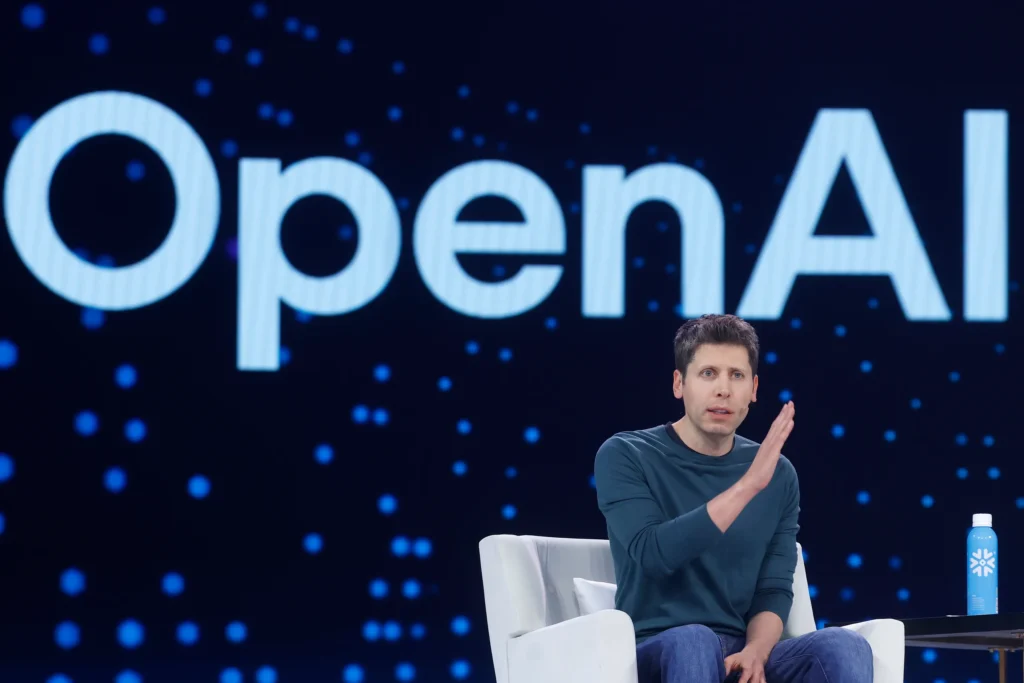
Ugly: Sam Altman ‘ChatGPT will allow erotica for adult users soon‘

What it is:
TechCrunch picked up a public comment from Sam Altman that ChatGPT will soon permit erotica content for adult users, shifting from the current “no sexual content” guardrails. The change reflects anticipation of user demand, personalization, and platform parity (aggregators, creators pushing back). Altman positioned it as a matter of setting boundaries by age, not blanket prohibition, essentially opening a new use case. (techcrunch.com)
What it will do:
- Moderation & compliance complexity: AI platforms will need age verification, content classification, filtering, red branding, safe mode toggles, and audit logs.
- Revenue paths open: Adult creative content, subscription tiers, niche erotica verticals—platforms can monetize more freely.
- Reputational & regulatory risk: Governments and regulators may push back (harm standards, child safety risk), possibly constraining the rollout or forcing restrictions.
How you can benefit:
- Content moderation tech: Companies doing automated filtering, image/text classification, safety embeddings get more demand.
- Premium/vertical content platforms: Niche content creators or subscription services may leverage better AI support for differentiation.
- Regtech & compliance: Age verification services, logging / audit infrastructure, user trust frameworks — these become non-optional pieces of the stack.