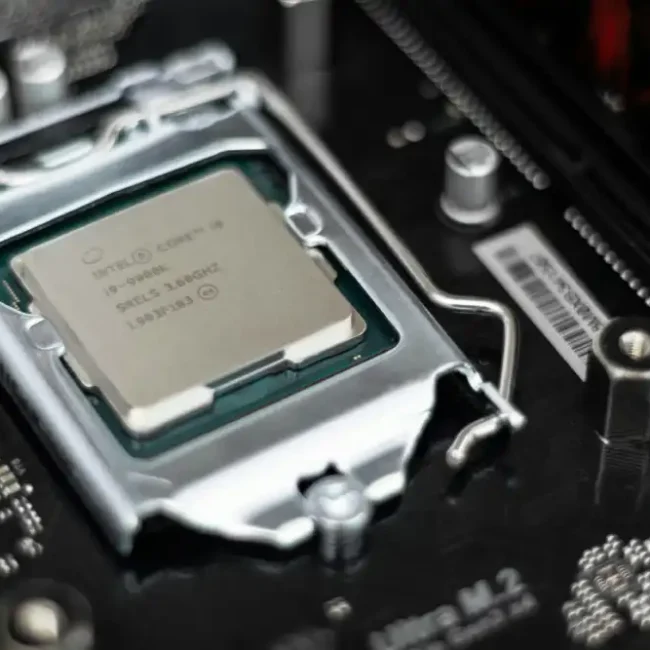

The through-line today is supply chains as strategy. Washington is turning into a price-insensitive buyer of critical minerals to break China’s choke points; Warsaw is about to lock in undersea deterrence with a co-production deal that reshapes its naval industry; and Beijing shows it can re-route trade even as tariffs fly. Investor playbook: own the midstream bottlenecks (processing/separation, sub-systems, logistics), trade around policy calendars (DLA buys, Orka award, tariff swings), and keep a balanced basket that benefits from both friend-shoring and trade diversion.
Good: Pentagon wants a $1B critical-minerals stockpile (to blunt China)

What it is:
MINING.com says the Pentagon is moving to acquire up to $1 billion of critical minerals via the Defense Logistics Agency, accelerating stockpiles to reduce reliance on China, which dominates mining/processing for rare earths and key defense inputs (cobalt, antimony, tantalum, scandium, etc.). The push follows Beijing’s new export restrictions and US tariff threats, with the administration also flagging broader funding under OBBA for stockpile expansion and supply-chain investments. Early purchase signals even list ballpark line items (e.g., $500M cobalt, $245M antimony).
What it will do:
- Tighter non-China supply: DLA’s requested volumes are big enough to soak up a material chunk of Western supply in some metals (analysts flagged indium, antimony), potentially firming prices and locking up off-China capacity.
- Industrial policy with teeth: With export controls ratcheting and tariffs in the air, a federal buyer of size becomes a price-insensitive backstop, smoothing procurement for defense/energy even in shocks. MINING.COM
- Broader resource re-wiring: Expect knock-ons into seabed metals talk, recycling credits, and long-lead processing projects as Washington tries to replace Chinese choke points.
How you can benefit:
- Own the “refine here” layer: Focus on Western processors/separators and recycling names that turn concentrate into magnets/alloys. Stockpile buys often come with off take + working capital—good for margins.
- Selective metal exposure: Screens in antimony, scandium, cobalt, indium—the exact shopping list categories—benefit first from bid support; just account for liquidity.
- Permit & policy calendar: Trade around DLA solicitations, award notices, and allied programs (EU/G7 coordination on rare earths) to catch re-rating windows.
Bad: Poland’s sub pick: crunch time for “Orka”
What it is:
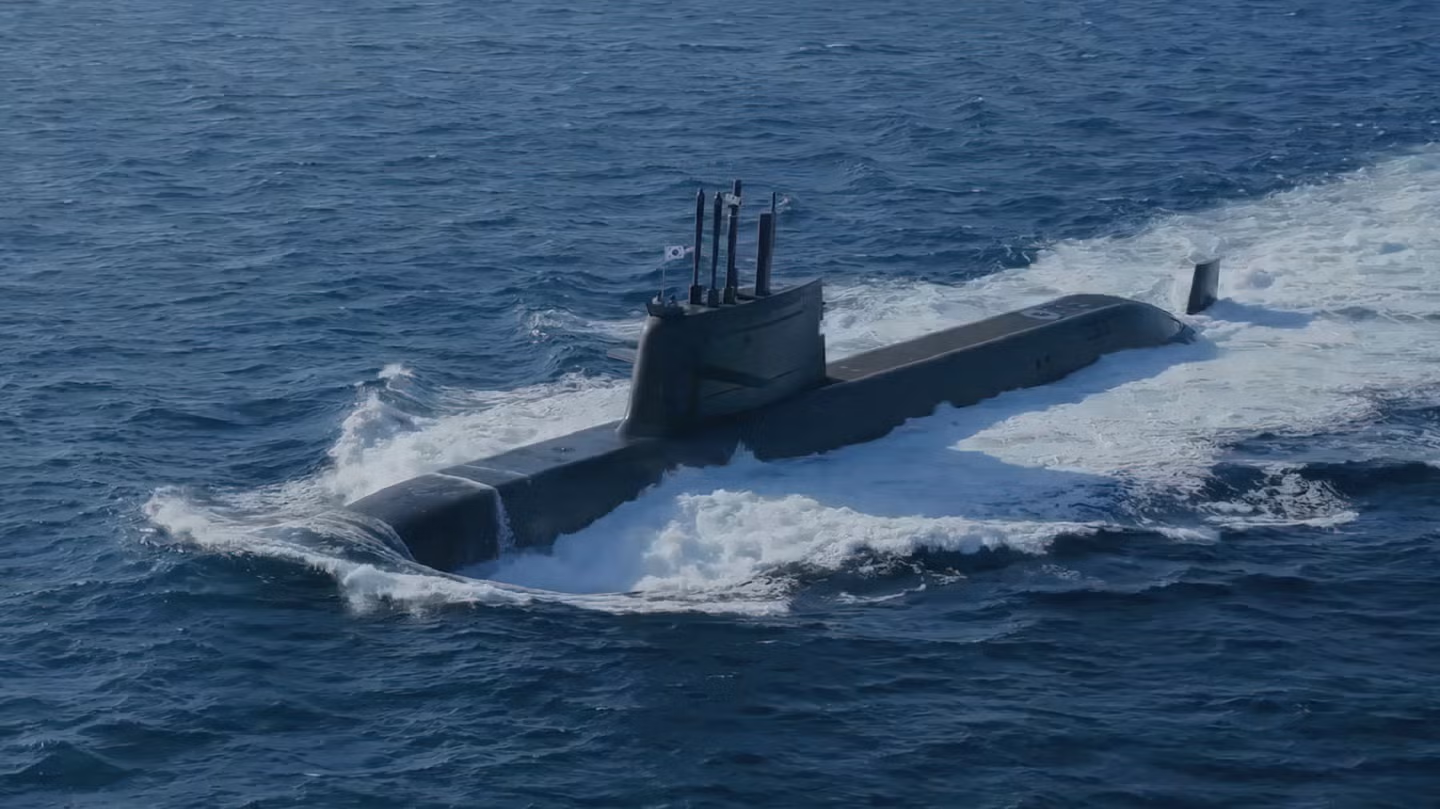
Poland is pushing to choose a new submarine design by year-end 2025 for its Orka program—after touring offers from France, Germany, Italy, Spain, Sweden, and South Korea. The urgency: the Navy is down to one aging Kilo-class boat (ORP Orzeł), and Warsaw wants 3–4 subs with cruise-missile capability to change the Baltic deterrence picture. Several contenders have already inked cooperation agreements with state group PGZ, and the government plans a government-to-government decision to elevate strategic ties.
What it will do:
- Baltic balance shifts: A modern AIP/cruise-missile sub fleet would raise costs for Russian naval ops near Kaliningrad and tighten NATO’s undersea picture.
- Industrial anchoring in Poland: The winner must co-produce with PGZ/PGZ Naval Shipyard, bringing transfer of tech and long-tail MRO jobs to Poland.
- Export gravity: A marquee win here affects other tenders (Canada, Gulf states). A European design win could reinforce EU naval supply chains; a Korean win would underscore Asia-Europe defense ties.
How you can benefit:
- Subsystem basket > single prime: Radar/sonar suites, combat management systems, masts, batteries/AIP, and vertical-launch modules enjoy repeatable upgrades regardless of hull choice—safer way to ride Orka.
- Poland localization trade: Track PGZ joint-venture news and facility expansions; local suppliers of hull steel, cabling, coatings, and yard services get multi-year throughput. Defense News
- Follow the cruise-missile thread: If Warsaw standardizes on a particular shooter, adjacent stockpile & sustainment contracts flow to seeker/warhead/booster vendors.
Ugly: China’s trade is holding up despite US tariffs
What it is:
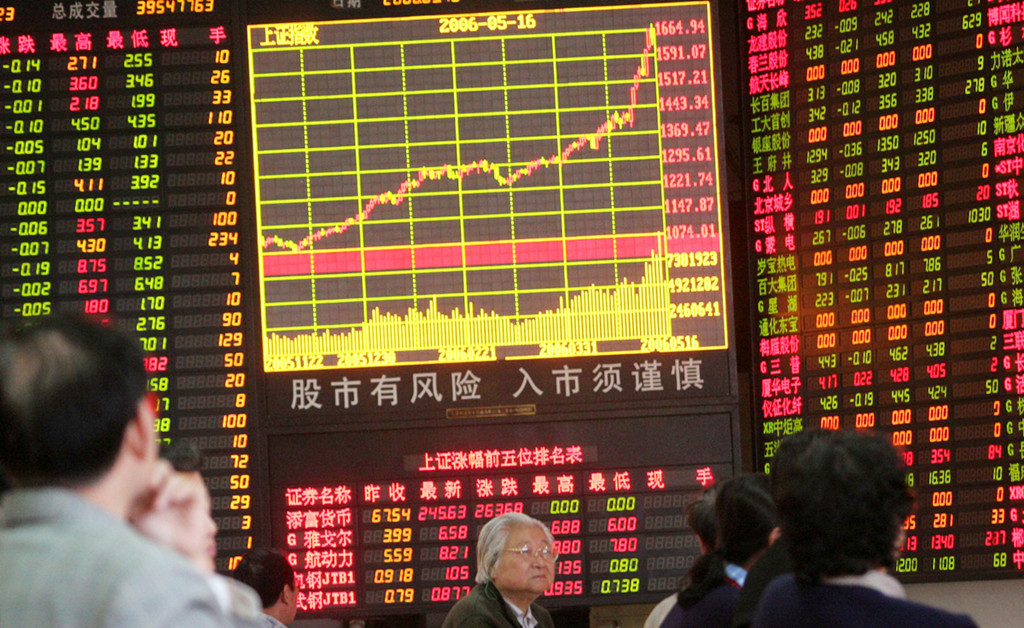
Semafor notes Chinese trade data beat expectations, even as US-China bilateral trade slumps and the White House threatens another 100% duty after Beijing tightened rare-earth export curbs. Translation: China is re-routing—finding new markets to offset the US shortfall. Economists warn miscalculation risk is still high as tariff rhetoric escalates.
What it will do:
- Trade diversion accelerates: Expect deeper China ties into Global South routes and more invoicing/shipping workarounds as firms arbitrage tariff lines.
- Tariff inflation leaks: Higher duties ripple via input costs; companies with diversified supply chains or non-Chinese sourcing gain relative advantage.
- Policy headline risk stays elevated: Markets swing on tariff posts and export-control tweaks; logistics and FX volatility become a standing feature, not a bug.
How you can benefit:
- Barbell the exposure: Keep some China-adjacent exporters (to ASEAN/MEA/LatAm lanes) while holding non-China suppliers of the same SKUs to hedge policy shocks.
- Own the “alternate routing” winners: Ports, freight forwarders, trade-fintech, and customs brokers that profit from complex routing and documentation.
- Materials hedge: If rare-earth curbs tighten, magnet supply chain (NdFeB) and substitutes (motor redesigns, soft-mag alloys) re-rate; pair that with the US stockpile theme above.