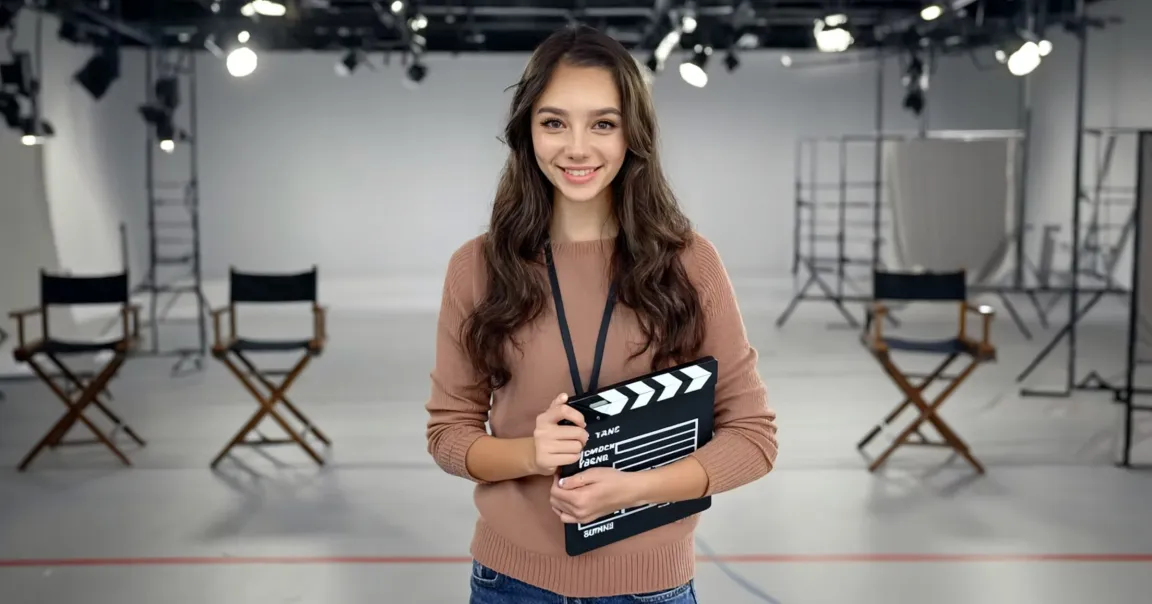
The actors’ union (SAG-AFTRA, presumably) is vocalizing opposition to the use of AI-generated “digital performers” — i.e. synthetic actors, deepfakes or AI avatars mimicking performers, their voices, mannerisms, or likenesses — as substitutes or augmentations in film, television, advertising, and related media. They argue this threatens jobs, intellectual property, compensation models, and creative control.
Even though the media industry is ahead in AI adoption, this pushback is a sign that labor, IP law, and societal norms are catching up—and these battles may set precedents for many creative/AI overlap domains.
Strategic Implications & Why Investors Should Care
1. Labor pushback as regulatory check
Creative industries are not immune to backlash: as AI encroaches into high-visibility domains (acting, voice, performance), unions and legislators will likely respond. This may lead to regulation (e.g. licensing, royalties for “AI clones,” consent controls) that constrains how AI can be used in content.
This sets a template: if performers push back, so might journalists, authors, musicians, visual artists — making intellectual property controls and usage rules more significant in AI contracts.
2. Valuation & licensing of digital likeness / AI avatars
The union’s stance adds risk to business models based on synthetic actors, deepfake clones, or AI-generated voices in media production. Licensing regimes, residual models, royalty structures may need to evolve. Investors in avatar / synthetic performance companies must anticipate structured royalty, consent, or revenue-sharing regimes.
3. Consumer & brand risk in using synthetic performers
Brands, studios, and platforms may hesitate to deploy AI performers broadly if backlash, legal risk, or public perception backlash arises. That could slow adoption or force hybrid models (humans plus AI) rather than wholesale substitution.
This dampens “AI takeover” narratives and suggests a more phased, consent-first approach in creative verticals.
4. Rise in attribution, watermarking, provenance & “AI rights management” tech
One of the ways to address union and legal concerns is to have visibility over what was synthetic vs real, usage tracking, royalty flows, attribution metadata, and version control. Infrastructure vendors enabling this sort of provenance / watermarking / rights management are likely to see more demand.
5. Cross-industry precedent
The union’s push is one of the earlier high-profile organized responses to generative AI in creative labor. The outcomes here are likely to echo into synthetic music, AI voice dubbing, synthetic journalism, render farms, virtual hosts, etc.
Trade & Positioning Plays
Based on this development, here are how I’d lean or hedge in relevant sectors:
A. Long / Overweight Exposures
- AI rights management / attribution / watermarking firms
Tools that embed provenance tags, usage logs, fingerprinting, usage tracking, IP metadata, or verification frameworks will be central to next-gen content AI. - Hybrid human-plus-AI creative tools
Firms offering tools that augment rather than replace human actors (e.g. performance enhancement, animation scaffolding, voice tuning) may avoid backlash and gain faster adoption. - Platforms / studios with strong consent / licensing infrastructures
Those already managing large portfolios and licensing frameworks (e.g. Disney, Netflix, large production houses) are better positioned to integrate synthetic performance under contract regimes.
B. Cautious / Hedged Exposure
- Pure synthetic-thespian startups / avatar actors
Firms whose entire value proposition is virtual performers may face structural risk if regulatory frameworks require royalty sharing, limitation of use, or union restrictions. Hedge or scale slowly. - AI voice / voice-clone firms
Voice replication is closely adjacent; regulatory or union pressure may spill over, especially for celebrity voices or voice equivalence.
C. Opportunistic / Defensive
- Licensing / consent platforms
New marketplace platforms that facilitate fair consent, royalty splits, contract negotiation, and licensing for AI clones / likeness rights may emerge. - Insurance / indemnity providers for AI creative risk
As creators incorporate AI in media, insurance that covers misuse, rights infringement, or backlash indemnity could become a niche. - Audit / compliance / legal tech in AI creative licensing
Tools or services to audit whether an AI output infringed a performer’s rights, manage use claims, or handle union compliance disputes.
Risks & What Could Undercut the Union Pushback
- Inherent technical differentiation
If AI performers are clearly distinguishable or labeled, public backlash may be minimized and union demands may yield to pragmatic adoption. - Contracts & consent mechanisms
Creative unions and studios likely will negotiate coexistence frameworks (e.g. consents for synthetic usage, residual / royalty share) rather than outright bans. - Economic incentives & cost pressure
In low-margin productions, studios may push for AI alternatives. The pressure to reduce cost may override initial resistance, at least in smaller markets or non-A-list production. - Global enforcement complexity
The creative media supply chain is global; enforcing union rules across jurisdictions may be patchy, especially in countries with weaker labor enforcement.
What to Monitor (Signals & Catalysts)
- Union statements, collective bargaining proposals, strike threats relating to AI performer usage.
- Legislation (local, national) proposed to regulate synthetic likeness, voice cloning rights, AI performer copyright.
- Legal cases: actors suing over unauthorized synthetic replication or likeness appropriation.
- Production houses experimenting with AI performance or licensing deals (e.g. resurrected actors, digital clones).
- Infrastructure adoption: watermarking, attribution, rights tools embedding in production pipelines.
- Studio / platform AI content policies referencing synthetic performers, disclaimers, or user consent.
Bottom Line
The actors’ union pushback is early but meaningful: creative domains are increasingly frontlines in the AI rights, labor, and IP debates. For investors, it’s time to build conviction around tools that enforce rights, provenance, and consent, favor hybrid human-AI models, and approach pure synthetic performer bets with caution. The legacy creative community won’t cede ground easily — navigating that rejiggering is a generational opportunity.