
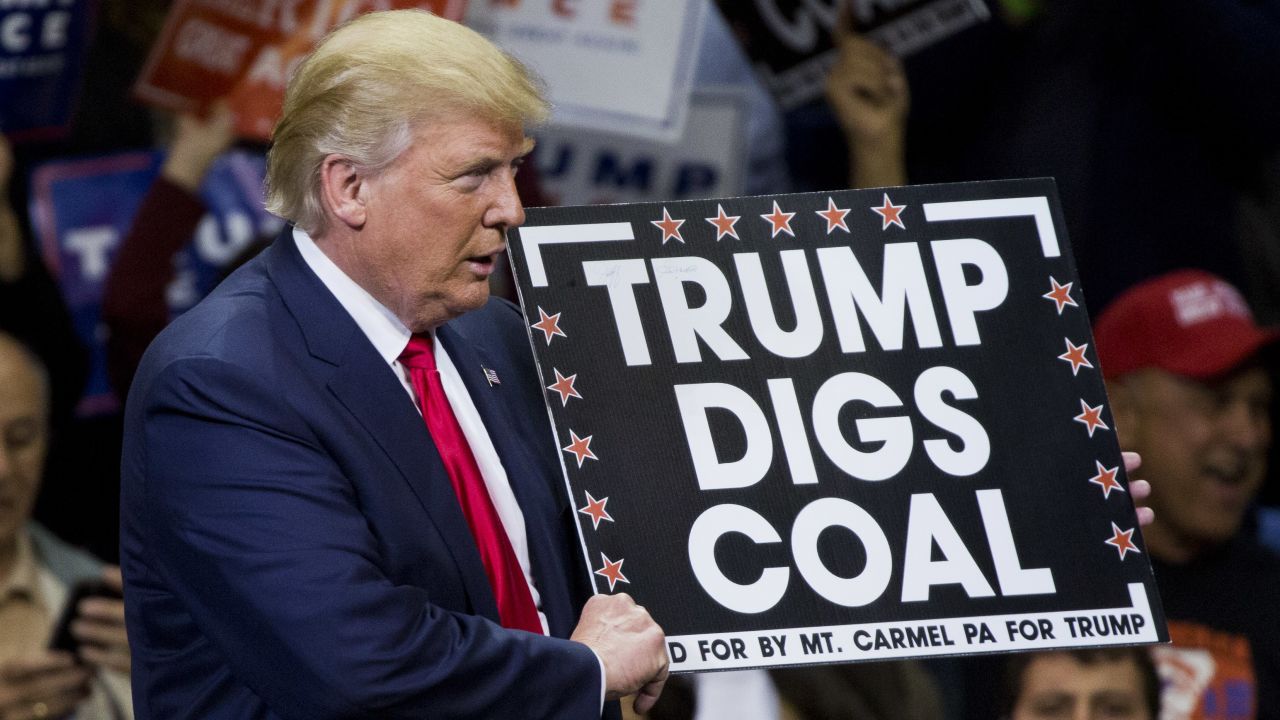
What the Policy Shift Means
- Trump is advocating for rollbacks or loosening of regulation on hydrofluorocarbons (HFCs), powerful greenhouse gases used in refrigeration, air conditioning, and foam manufacturing.
- The argument is framed around reducing costs for industry and consumers — energy sectors, appliance manufacturers, HVAC businesses — and reversing rules seen as overly burdensome or restrictive.
- Critics warn that relaxing HFC regulation would undermine climate goals, increase emissions, and create tension with international agreements (especially the Kigali Amendment to the Montreal Protocol, which many nations use to phase down HFCs).
- The shift is part of a broader energy / industrial deregulation agenda — repositioning U.S. policy toward more leniency for legacy industrial emissions.
Why This Matters Strategically & for Markets
1. Regulatory regime risk in climate / industrial sectors
Efforts to loosen HFC rules can reverberate across chemicals, refrigerants, appliances, HVAC, cooling systems — a whole value chain tied to compliance, alternative technologies, and environmental regulation. Investors must reassess regulatory tail risk.
2. Opportunity for incumbents with “legacy” advantage
Companies that produce or use HFCs may benefit in the near term from lower regulatory overhead, cheaper compliance costs, or slower transition pressure — potentially restoring margins or delaying capital expenditures required for low-GWP alternatives.
3. Headwind to climate tech substitution plays
Substitution technologies (low-GWP refrigerants, carbon capture, sustainable cooling systems, alternative refrigerants) rely on regulatory push (taxes, bans, penalties). Easing HFC regulation could slow demand for those alternatives, especially in commercial and industrial cooling.
4. International / trade alignment risk
U.S. reversal or weakening of HFC regulation may create friction with other nations adhering to stricter Kigali or EU rules. Exporters, global appliance manufacturers, or materials firms could face regulatory mismatch, trade barriers, or reputational backlash.
5. Capital allocation / investment planning stress
Companies planning to invest in low-GWP cooling or regulation-driven business lines may face shift in incentives; investors will need to adjust assumptions on timeline and demand curves for transition technology bets.
Investment Plays & Positioning
Given this potential regulatory pivot, here’s how I’d tilt or hedge exposures:
A. Beneficiaries in the near term
- Traditional refrigerant / HFC chemical firms
Any rollback could relieve compliance cost burden, extend the useful life of existing manufactured inventory, and slow write-downs of HFC legacy assets. - HVAC / appliance manufacturers with larger installed base
Reduced phase-out pressure gives breathing room on regulation-driven capex or forced upgrades; incumbents may avoid sudden backward compatibility costs. - Industrials with legacy cooling operations
Data centers, cold storage, industrial processes that rely heavily on HFC systems may benefit from lower transition cost pressure in the short term.
B. Cautious / watch exposure
- Transition cooling / low-GWP refrigerant firms
These players may face delayed demand. While long term their value is solid, near term downside or slower adoption is possible. Moderate exposure or staggered “crash-proof” entry approach is prudent. - Carbon reduction / climate tech names tied to HFC substitution
Firms in refrigeration / cooling transition who priced in strong policy support may see slower growth—hedge or reduce modestly.
C. Hedging & protection
- Put or hedges on transition tech names
If the policy pivot slows their growth curve, downside risk exists; small hedges or reduced allocations may protect against overvalued assumptions. - Diversification away from heavy exposure to regulated climate tech
Ensure portfolio has ballast in names less sensitive to regulatory timing, or with strong standalone fundamentals outside climate mandates.
Key Risks & What Could Derail the Pivot
- Legislative / Congressional pushback
Regulatory reversal may require legislation or executive authority. Opposition from states, Congress, or courts may block or limit rollback. - International pressure / treaty obligations
U.S. may face diplomatic or trade pressure if it diverges from global climate agreements or imposes competitive disadvantage in global markets. - Carbon / global climate policy consistency
Other climate policies (carbon pricing, emissions caps, ESG regulation) may still push firms toward lower-GWP systems, making HFC relaxation a partial or temporary benefit. - Technology momentum & customer preference shift
Many firms are already investing in low-GWP cooling; regulatory delay may not fully reverse momentum toward greener systems; customers and markets may demand climate compliance independent of regulation.
Scenario Outcomes & Valuation Impacts
| Scenario | Assumptions | Likely Impact | Key Breakpoints |
|---|---|---|---|
| Partial rollback | Some regulations eased, but global alignment and climate pressure force limits | Moderate relief for incumbents; transition tech sees slower adoption but still incremental growth | Regulatory proposals, stakeholder pushback, partial carve-outs |
| Broad rollback | Major easing of HFC bans, relaxed phase-out timetables, regulatory grandfathering | Legacy players regain margin; transition tech gets compressed growth; capital allocation pushes back on climate tech | Executive orders, regulation changes, legal adjudications |
| Rollback fails / is blocked | Pushback from courts, global trade norms, climate pledges, political resistance | Regulatory status quo holds; transition tech path remains intact; policies reinforce certainty | Court rulings, legislative overrides, backlash from climate constituencies |
What to Monitor (Signals & Catalysts)
- Proposed regulatory texts / executive orders around HFC rule changes.
- Congressional hearings, climate policy amendments, EPA / environmental agency agenda shifts.
- International climate treaty / Kigali Amendment negotiations and U.S. stance.
- Announcements from HVAC, refrigerant, appliance manufacturers regarding regulatory risk or strategy changes.
- Earnings commentary from firms in cooling / HVAC / refrigerants about compliance cost stress or phase-out planning.
- Investment or capex delays or acceleration in low-GWP cooling / transition technology firms.
Bottom Line
A push to roll back HFC regulations has real teeth for industrial, appliance, and HVAC sectors—but it’s a high-stakes gamble if global climate policy momentum, international norms, and legal constraints resist the reversal. For investors, the safest path is strategic tilting: small upside exposure to legacy refrigerant firms, cautious support for cooling incumbents, and hedged positioning in climate transition tech. The real long-term winners will still be those aligned with climate momentum—but getting regulation timing right is a competitive differentiator.