
Big picture: capex super-cycles are alive in both bits (AI compute) and atoms (European defense), while policy-driven beta is steering China’s equities. For investors, that means: lean into infrastructure bottlenecks (power, HBM, cooling; munitions, sensors) with duration, trade China tactically with tight risk, and track contract/award cadence and policy calendars as your leading indicators. In short: buy the pipes feeding the booms, rent the narratives riding them.
Good: CoreWeave’s $14.2B compute deal with Meta
What it is:
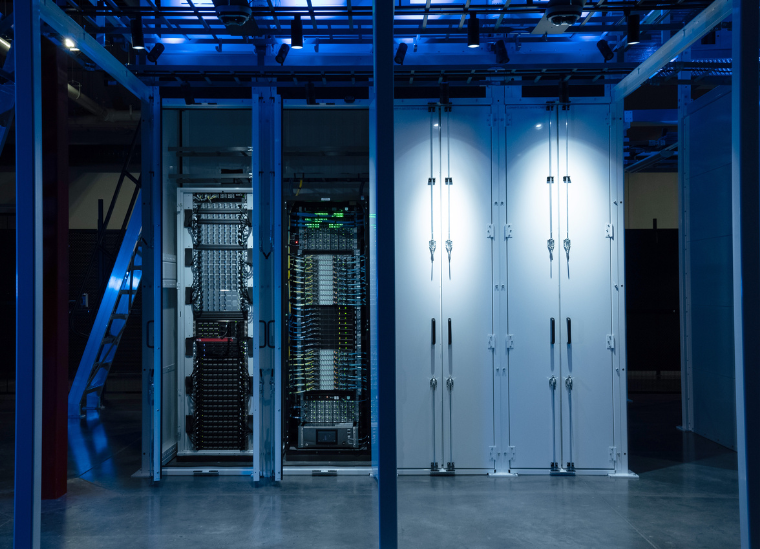
Meta just locked in up to $14.2B of AI compute from CoreWeave through 2031 (with potential extension into 2032). Translation: Meta’s not dabbling—this is long-dated, contractually committed access to top-shelf Nvidia GPU systems (Bloomberg calls out GB300-class), to keep Llama training/inference pipelines fed for years. The move follows CoreWeave’s other mega deals (OpenAI, Microsoft) and its acquisition streak as it builds an AI-first cloud. Markets noticed—reports say CoreWeave shares popped double digits on the news.
What it will do:
- Capex arms race is durable: Multi-year, multi-billion pre-buys suggest the “AI buildout” isn’t fading next quarter; it’s being underwritten by take-or-pay style contracts across the whole stack (GPUs, racks, power, cooling, networking). Expect continued strain in power availability and supply chains for high-bandwidth memory, advanced packaging, and liquid cooling.
- More concentration around Nvidia: Access to latest Nvidia systems stays the status game. That props Nvidia’s ecosystem leverage (tooling, CUDA lock-in, supply priority for select partners) and keeps alternative accelerator timelines under pressure.
- CoreWeave customer mix broadens: Reduces single-customer risk and positions CoreWeave as a default “GPU utility” for frontier model training and mass inference at social scale. (Coverage notes Microsoft, Nvidia, OpenAI are already in the orbit.)
How you can benefit:
- Picks-and-shovels basket: Focus on boring but critical bottlenecks: power & cooling providers, optical interconnect, HBM memory suppliers, AI-ready data-center REITs, and EE contractors tied to substation buildouts. These ride the spend whether Meta/CoreWeave win or lose market share. (The contract’s length is the tell.)
- Counterparty map: CoreWeave’s shareholder/partner web includes Nvidia; news flow shows strong institutional accumulation this year. If you’re long AI infra beta, pair longs in GPU supply chain with risk-managed shorts in weaker, power-constrained regions to dampen cyclicality.
- Latency revenue: Watch inference-side monetization at Meta—reels, search, ads, assistants—because higher inference RPMs push utilization (and thus CoreWeave’s billings). Track Meta’s disclosures on AI products tied to ad yieldto gauge contract ramp pace quarter by quarter.
Bad: EA to go private in a ~$55B deal backed by Silver Lake, PIF & Jared Kushner’s Affinity Partners
What it is:
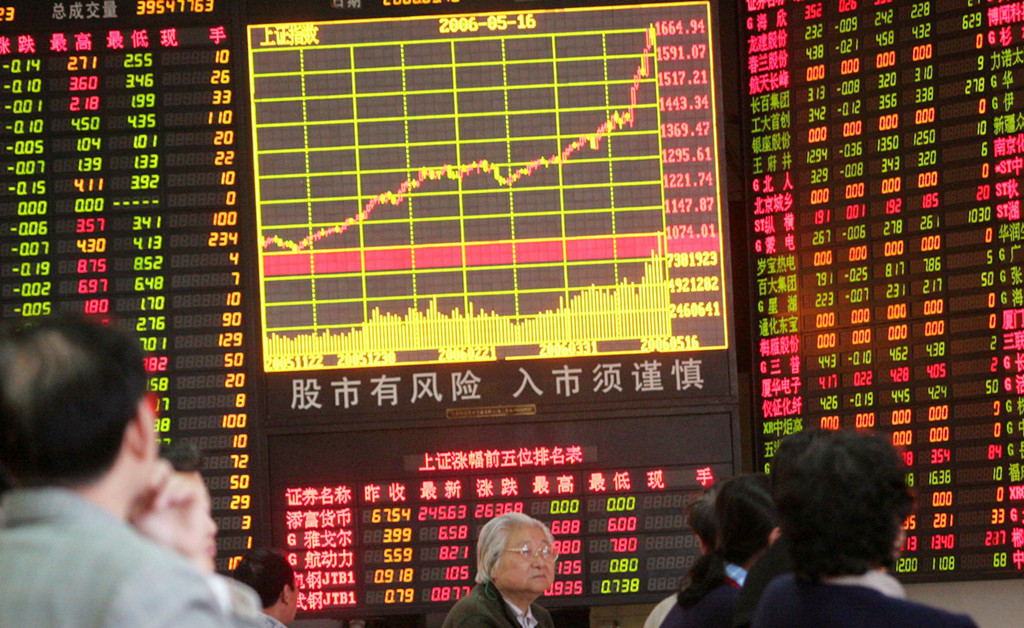
Despite a sluggish economy (manufacturing PMI flirting with contraction, property overhang, weak prices), China’s equities are on a historic bull run. Semafor frames the rally as optimism around AI advances and easing tensions with the U.S., even as broader data remain mixed. Other recent coverage flags the disconnect—stocks levitating while the real economy grinds. Net: sentiment + policy hopes + AI narrative are steamrolling soft fundamentals—at least for now.
What it will do:
- Policy-beta market: The tape is hypersensitive to incremental easing (mortgage tweaks, fiscal nudges, IPO pace, short-selling curbs). A supportive policy drift can keep the squeeze going; any hawkish surprise or crackdown on speculation could snap it.
- AI halo effect: AI-linked names (chips, servers, cloud, model labs) act like a story gravity well—pulling capital even as old-economy prints lag. That can produce pockets of overvaluation and air-pocket risk if global AI sentiment cools.
- Macro divergence persists: Manufacturing softness and property weakness suggest earnings follow-through may lag the rally—classic “multiple expansion before EPS.” If trade frictions flare, beta can reverse hard.
How you can benefit:
- Tactical exposure > set-and-forget: If you want to ride momentum while respecting fragility, consider tight risk controls on China/Greater China ETFs (e.g., broad China, large-cap financials, internet baskets) and event-driven catalysts (policy meetings, tariff headlines). Use stops or options to define risk around data releases (PMI, credit impulse).
- Relative value pairs: Pair long AI-beneficiaries within China vs. short cyclicals that rely on property or export demand; or long China internet vs. short a global internet peer with stretched multiples, to isolate “China policy rebound” as your factor.
- FX and commodities hedge: If you’re long China beta, watch yuan direction and metals demand signals. Hedging CNY or layering copper exposure can smooth drawdowns if policy support targets infrastructure.
Ugly: Wiz CTO; AI is transforming cyberattacks — faster recon, bespoke payloads, and mass social engineering
What it is:
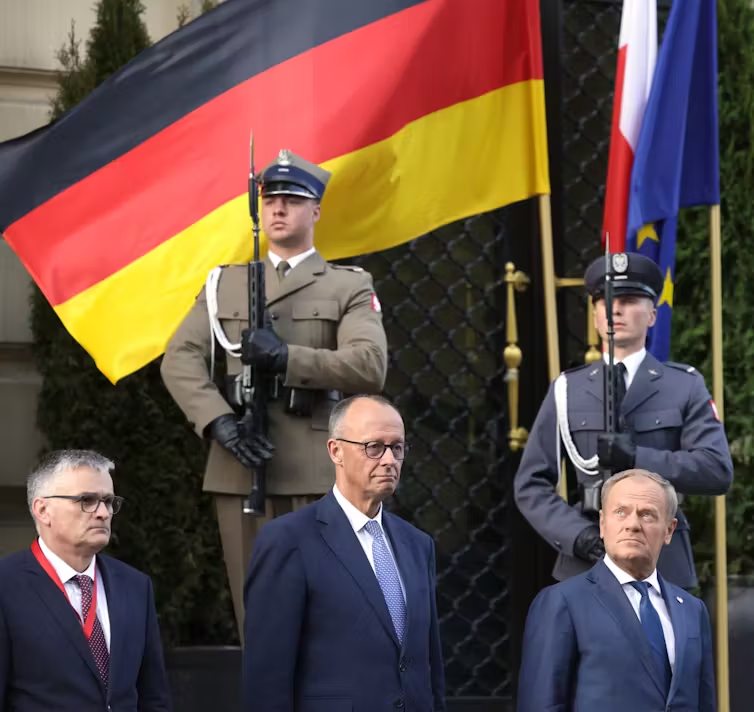
Berlin, Paris, and Warsaw just issued a joint statement backing deeper EU–Ukraine defense integration, fast-tracking measures like mobilizing frozen Russian assets to fund Ukraine, moving toward a common defense industrial policy, and aligning more tightly on sanctions. It’s the Weimar Triangle signaling that Europe’s security posture is consolidating—and that Ukraine is being woven more tightly into EU defense planning. Related reporting: Europe’s also coordinating on air-defense and counter-drone initiatives with Kyiv.
What it will do:
- Long-cycle munitions & air defense spend: Expect continued orders for artillery, air-defense interceptors, radars, and counter-UAS systems, plus industrial base investments (powder, energetics, machining capacity). This is multi-year, not one-off.
- Financial architecture shift: If the EU mechanism to use frozen Russian assets advances, it opens a semi-structural funding stream for Ukraine’s defense and reconstruction—reducing headline risk around annual budget horse-trading.
- Standardization tailwinds: Closer integration tends to push interoperability standards, benefiting primes positioned to supply across multiple EU armies (common components, training, maintenance).
How you can benefit:
- Name the winners: Watch European defense primes and sensors champions with Ukraine-relevant portfolios—Rheinmetall (ammo/vehicles), Thales (C2, radars), Hensoldt (sensors), Saab (GBAD), Leonardo (helicopters, electronics), Dassault (air). Contract cadence will likely map to munitions and air-defense replenishment.
- Counter-drone & EW picks: Follow awards tied to drone-wall concepts and counter-UAS kits (jammers, SHORAD, optical trackers). Ukraine is exporting playbook knowledge to European partners right now—those TTPs often lead to procurement.
- Supply-chain enablers: Powder/energetics plants, fuse makers, and metal-forming specialists are bottlenecks—EU investment programs can lift these mid-cap suppliers’ volumes over several years.