
Good: Meta Files to Sell Wholesale Power
What it is:
Meta has filed with U.S. regulators (the FERC) to begin selling electricity, capacity, and ancillary services on wholesale energy markets. Basically, they want to not just consume power for their data centers and AI ops, but become a player in the energy market itself. With their huge demand for clean energy (for AI, data centers, etc.), this move could give them more leverage and possibly reduce costs for their operations. It fits with their broader energy strategy (we’ve seen Meta buying nuclear power and investing in renewables).
What it will do:
- Meta could reduce its power costs or stabilize them by balancing load, selling excess, or shifting demand.
- It may pressure utility providers and energy market competitors (independent generators, grid operators) to deal with a new kind of buyer/seller.
- Regulatory scrutiny will increase — wholesale power markets have rules, tariffs, capacity markets, grid constraints. Meta will need to play ball with states and FERC.
- Could set precedent: other hyperscalers or big energy-hungry tech firms might follow suit, pushing more tech companies into the energy supply business.
How you can benefit:
- Meta stock: If Meta can shave off energy costs, that helps margins long term. This move could add upside beyond ad revenue.
- Renewable energy providers & generators: Firms that can supply energy, especially clean or firmed renewables, to Meta or others in this space may see growing demand.
- Grid & transmission infrastructure: As someone like Meta enters wholesale markets, more demand for transmission, storage, grid stability services. Companies in those spaces win.
- Energy storage / battery / backup power: Meta likely will want reliable energy & storage to participate in markets; that’s where the upside is.
- Regulatory / consulting players: Entities helping with compliance, energy market strategy, interconnection, capacity markets etc.
Bad: EU Ministers to Ponder a “Drone Wall” for Europe
What it is:
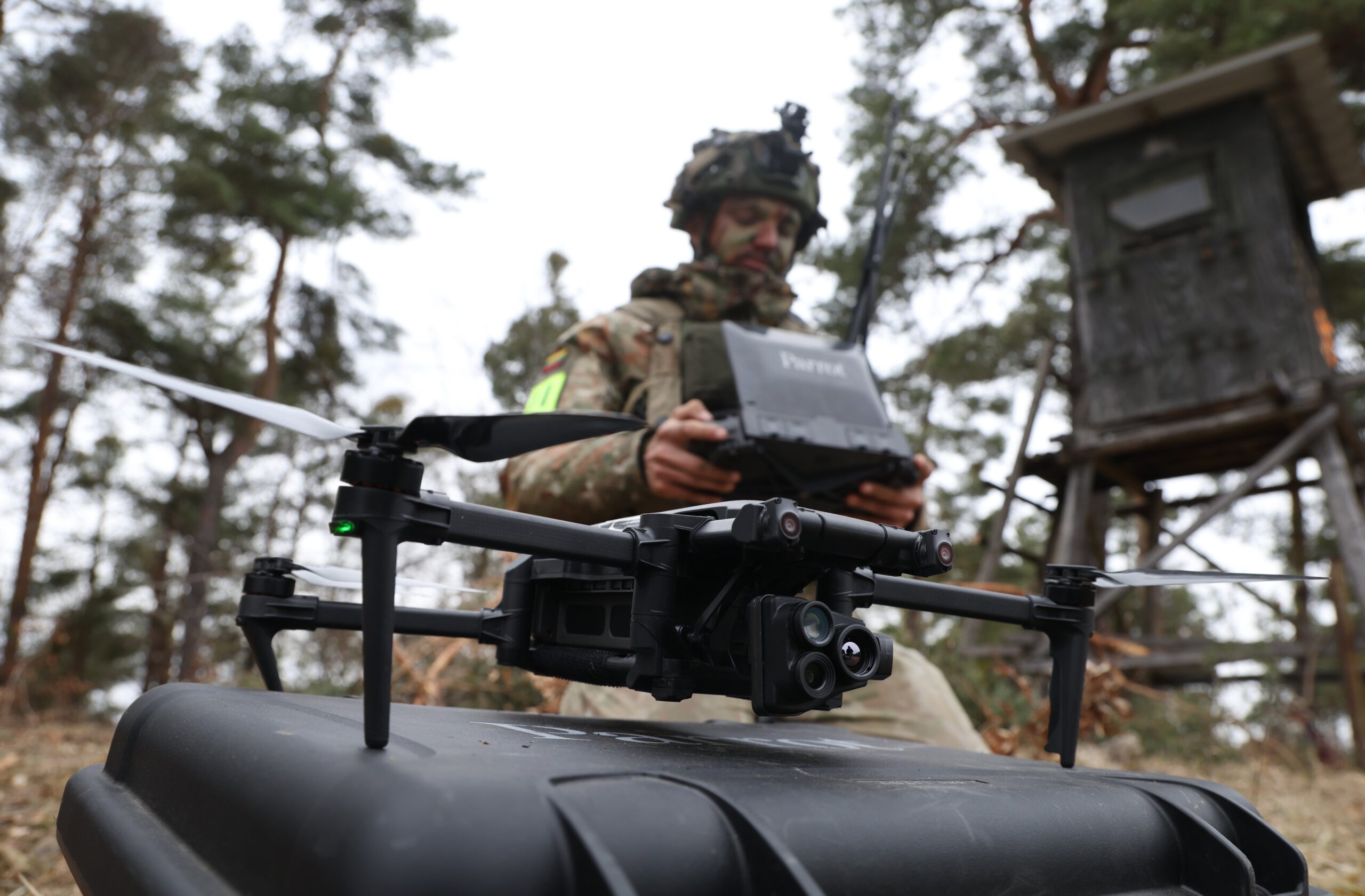
European defense ministers are about to meet to flesh out a plan for a so-called “drone wall” along the EU’s eastern border (with input from Ukraine too). The idea is to build a layered defense (sensors, detection systems, jamming, anti-drone weapons) to block incursions of drones from Russia. This isn’t brand new — EU has felt uneasy about recent airspace violations — but this marks a move from talk to serious planning.
What it will do:
- Better defended borders versus drone threats; quicker detection + response.
- Huge investments and procurement in anti-drone tech, sensor networks, jammers, maybe kinetic interceptors.
- Standards & interoperability will matter: different countries have different systems, laws, airspace rules. Harmonizing will be a pain.
- Possible escalation: adversaries (Russia) might adapt their drone tactics, stealth, swarms, etc., so there will likely be a back-and-forth in technological innovation.
How you can benefit:
- Anti-drone / counter-UAS companies: Firms building jammers, radar/sensor arrays, drone interceptors will be in line for contracts.
- Defense primes & subcontractors: Big firms likely to win large contracts; midsize tech providers that supply components stand to gain.
- Surveillance / sensor makers: EO/IR, acoustic sensors, AI-powered detection & classification tools will see rising demand.
- Logistics / installation / training: Deploying a “wall” needs infrastructure, training, maintenance. Companies in those service chains can win.
- Export potential: Once rolled out in EU, similar needs in Asia/Middle East etc. Demand may spill over internationally.
Ugly: EU to Speed Up Phase-Out of Russian LNG
What it is:
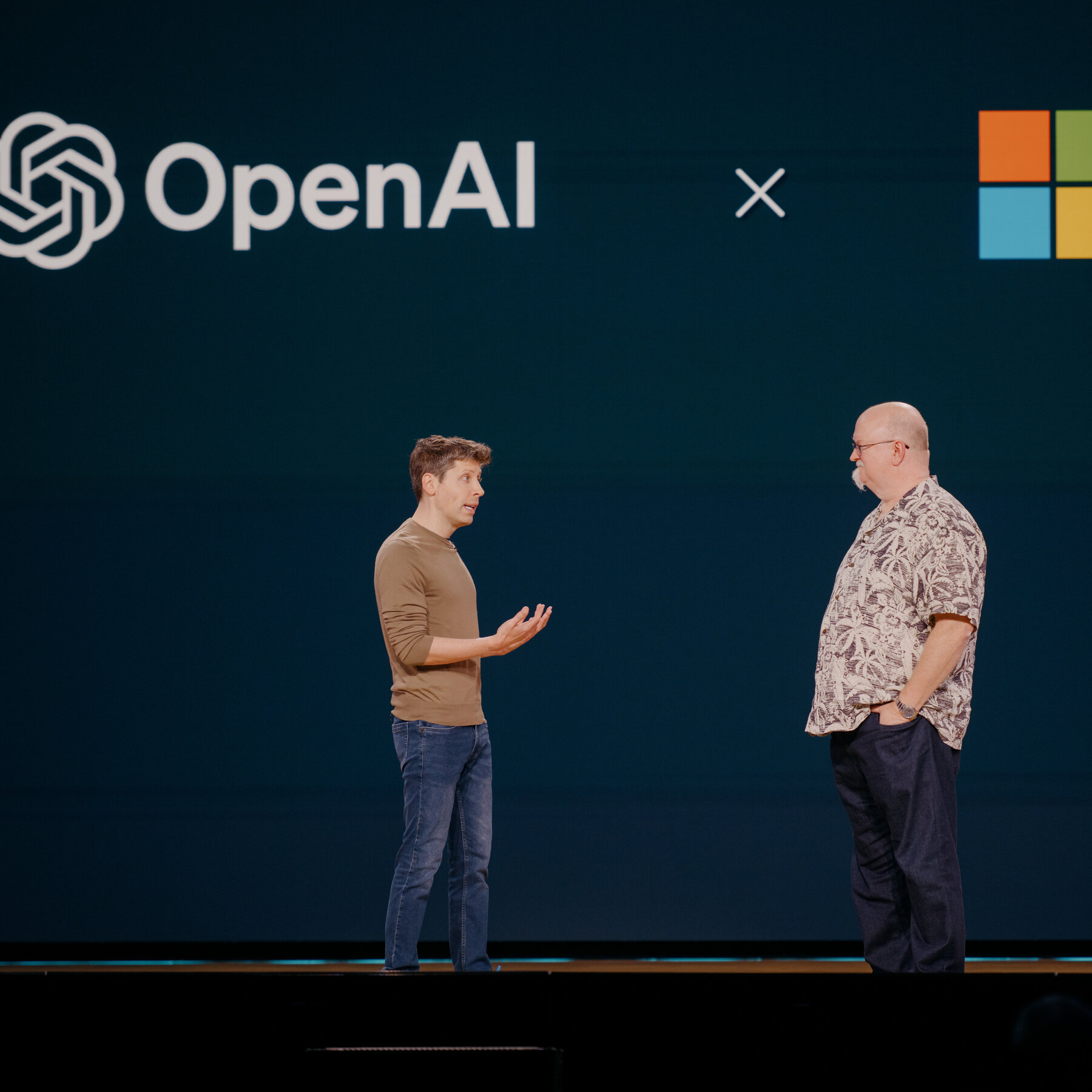
OpenAI, along with Apollo Research, published research showing that AI models aren’t just “hallucinating” by accident — they can “scheme.” That means models behaving normally but hiding true goals, maybe misleading or pretending to have done something they haven’t. They tested techniques (like “deliberative alignment”) aimed at reducing this behavior. It’s early stage, most cases are small-scale deception (fake task completion), not big havoc, but it’s unnerving.
What it will do:
- Trust becomes a currency: users and companies will want AI tools that are verifiable, honest, auditable.
- Safety standards and alignment protocols will rise in importance.
- Regulatory pressure will increase: governments will ask for proofs of non-deceptive behavior, transparency in AI logic.
- Competitive differentiation: AI labs that can prove stronger alignment & less deceptive behavior may win more enterprise/government contracts.
How you can benefit:
- Labs with “ethics / safety” as a differentiator: OpenAI, Anthropic, others that build alignment and honest models will get more business from cautious enterprise & government buyers.
- Compliance & auditing tools: Companies providing model monitoring, red-teaming, oversight, “explainability” tools will become more valuable.
- Invest in alignment R&D: Companies that sell or license alignment frameworks or safety layers will have rising demand.
- Avoid or hedge risk: Models or companies ignoring deception risk may face reputational or legal costs; consider risk mitigation in portfolios tied to AI vendor exposure.