
Good: Nvidia Stakes in Intel – Strategic AI/Chip Partnership
What it is:
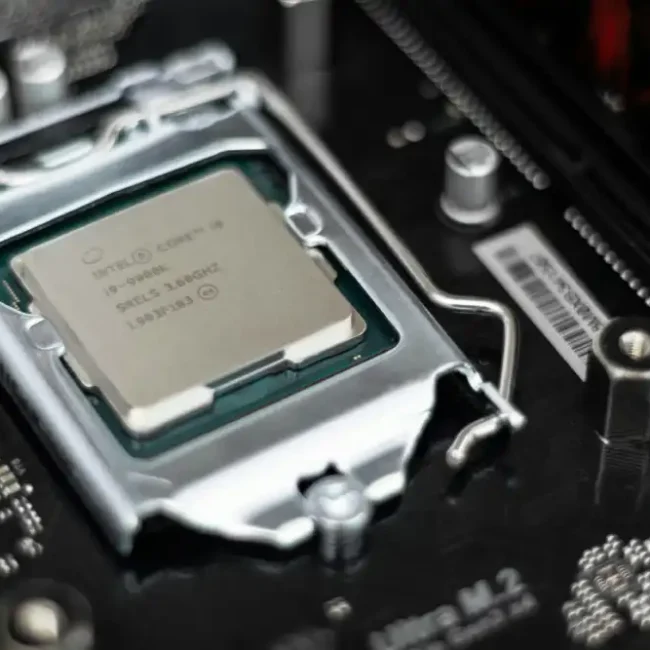
Nvidia has announced a $5 billion investment in Intel, acquiring shares at about $23.28 per share, forming a strategic partnership. They plan to co-develop chip technologies that merge Nvidia’s AI acceleration and GPU expertise with Intel’s CPU / x86 ecosystem. Among other things, Intel will build Nvidia-custom x86 CPUs for AI infrastructure and PC applications, combining Nvidia’s NVLink tech with Intel’s processors. This comes at a time when Intel has been under pressure — lagging in growth vs. Nvidia and other competitors — and the U.S. government has also taken a stake in Intel to support domestic semiconductor capacity.
What it will do:
- Intel Revival Potential: With this cash injection + partnership, Intel could regain competitiveness, especially in AI infrastructure and custom CPU markets. It may help reverse some of its recent market share losses.
- Ecosystem integration: Blurring lines between CPU and GPU domains; more hybrid architectures. Relationships among cloud providers, chip architects, and customers will shift.
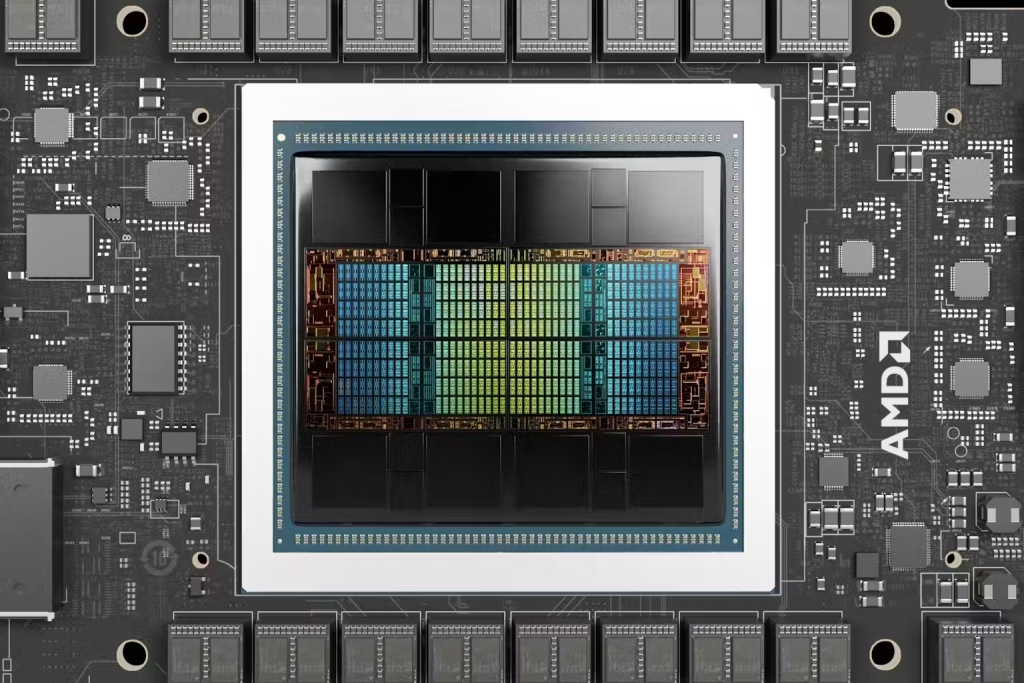
- Competitive pressure: Competitors like AMD, ARM licensees, TSMC may feel squeezed or need to increase R&D / strategic partnerships. Valuations for those may adjust.
How you can benefit:
- Long positions in Intel: Given the sharp positive market reaction (Intel stock up substantially), investors buying in ahead (or near) may benefit from upside if execution goes well.
- Nvidia exposure: While Nvidia is already strong, this deal could expand its footprint in CPUs, potentially helping it extract more value in integrated systems.
Bad: Meta Launches Smart Glasses + Neural Wristband
What it is:
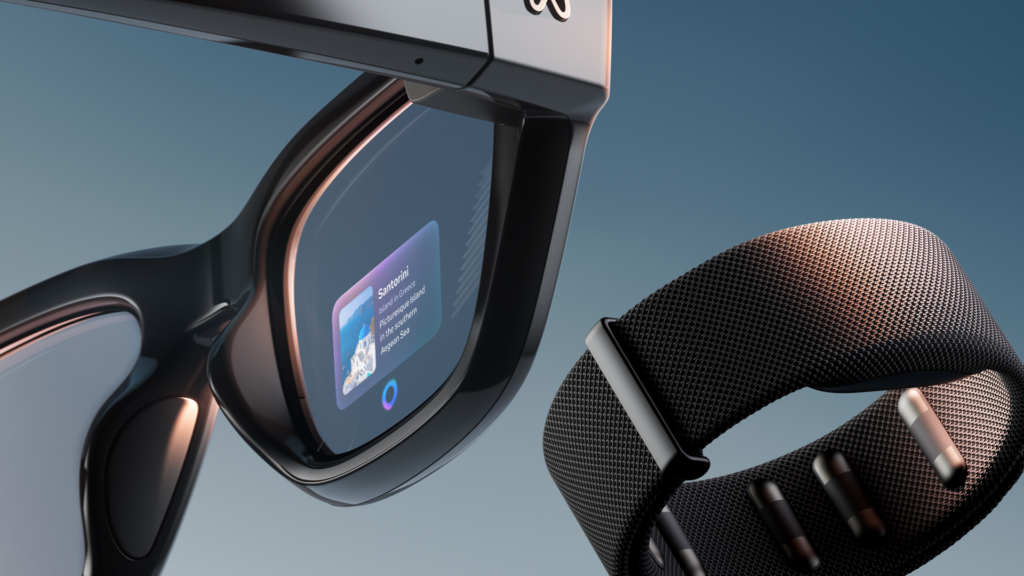
Meta has launched the Meta Ray-Ban Display smart glasses plus the Meta Neural Band, an EMG wristband controller. The glasses have a built-in display in the right lens for tasks like notifications, navigation, live captions, translation, etc. The wristband allows for gesture control (subtle hand motions) in interacting with the glasses. Priced at ~$799, it will be available in the U.S. from September 30, rolling out to other countries soon.
What it will do:
- Expanded wearables market: Smart glasses with functional displays and gesture control may create a new category of consumer wearables, potentially pushing competitors to respond.
- User interaction evolution: Gesture control, display-as-needed, voice/AI integration become more important. The wristband controller and display will test usability, battery life, and design trade-offs.
How you can benefit:
- Meta and Reality Labs: If adoption is strong, Meta may win more hardware-anchored value (not just software / platform) and recoup part of its hardware investments.
- Component & gesture control suppliers: Companies that make displays, gesture sensors, EMG tech, low-power processors, batteries may see upstream demand.
- Wearable & AI interface startups: Smaller players working on displays, AR/VR, gestures, AI navigation could benefit or become acquisition targets.
Ugly: EU to Speed Up Phase-Out of Russian LNG
What it is:
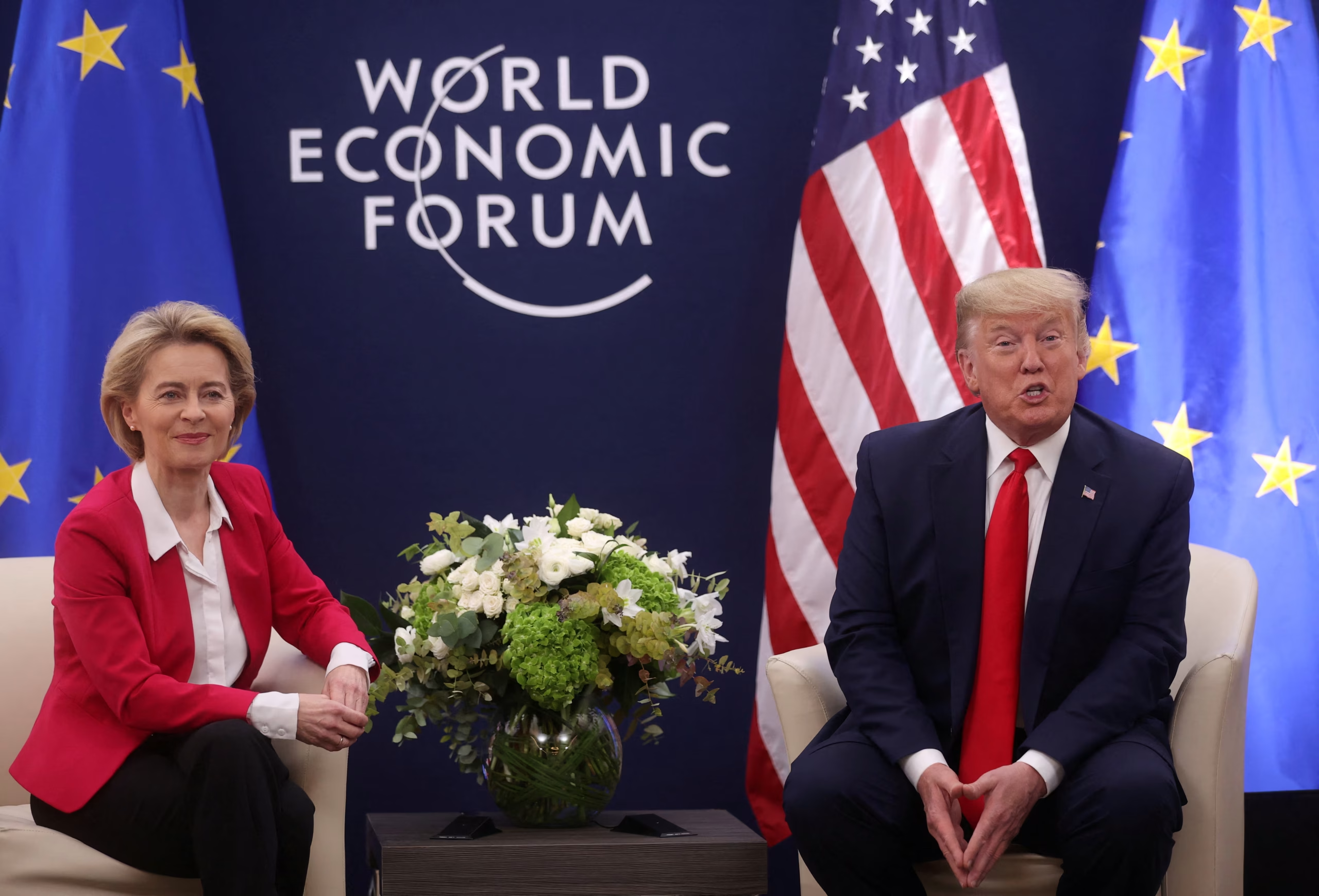
The European Union is preparing to accelerate plans to phase out liquefied natural gas (LNG) imports from Russia, moving up the timeline ahead of what was originally scheduled for 2028. This comes in part after a phone call between EU Commission President Ursula von der Leyen and U.S. President Trump, who urged the EU to strengthen its energy sanctions against Russia, including a full halt on oil purchases and more aggressive timelines on gas restrictions. The sanctions package under discussion (the 19th sanctions package) may include a provision for Russian LNG import ban or stricter limits in shorter contracts.
What it will do:
- Energy supply rebalancing: EU countries will need to redirect LNG imports from other sources—Qatar, U.S., Middle East—or accelerate renewable alternatives (biomethane, hydrogen) to fill the gap.
- Higher short-term energy prices: Reduced supply from Russian LNG could tighten markets, push up gas/LNG prices in Europe, especially during winter or in regions dependent on Russian supply.
How you can benefit:
- Non-Russian LNG exporters: U.S., Qatar, Australia exporters may get higher demand and better pricing. Infrastructure players in these countries could benefit.
- LNG shipping & regasification infrastructure: Firms owning or operating terminals, shipping fleets, storage, regasification should see demand increase.
- Renewable alternatives & green hydrogen: Faster phaseout of fossil LNG boosts case for alternatives like biomethane, hydrogen, heat pumps, and energy efficiency. Investors in these may benefit.