
Good: Microsoft’s $6B Compute Deal in Norway
What it is:
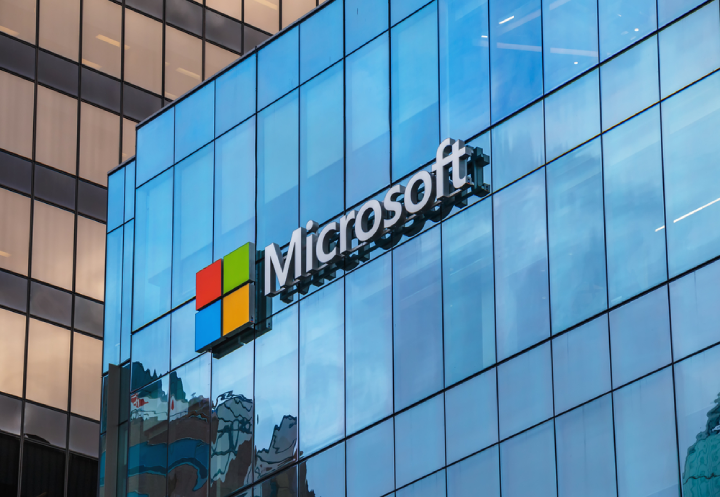
Microsoft has signed a deal worth $6+ billion with Nscale, a unit of Aker, to rent large-scale compute capacity (compute = data center/server horsepower) in Norway. The facility is to be powered by renewable electricity, leveraging Norway’s hydro resources, and is positioned as a strategic node for compute-intensive workloads like AI. The location (Narvik) offers cheap, clean power, which is increasingly a bottleneck in AI infrastructure. The deal reflects a growing trend: major cloud/hyperscaler firms outsourcing or leasing rather than owning all compute infrastructure, especially in markets with favorable energy and regulatory environments.
What it will do:
- Compute capacity becomes a competitive asset: Clean energy-rich locations like Norway gain strategic importance; regions without cheap, reliable power may lose out.
- Environmental footprint under scrutiny: With Microsoft committing to renewable energy, firms will face pressure not only on performance but also on sustainability in compute infrastructure.
- Shifting capital investment models: Renting/leasing compute may reduce upfront CapEx burdens for tech firms and allow flexibility to scale more quickly.
How you can benefit:
- Hyperscaler suppliers & cloud infrastructure companies: Firms providing GPUs, servers, cooling, networking gear could see rising demand from rental/lease-oriented models.
- Renewable energy and green power providers in compute-friendly regions: Companies generating hydro, wind, or other renewables in Norway or similar markets may benefit from long-term power purchase agreements.
Bad: Bank of Canada Cuts Rates to 2.5%
What it is:
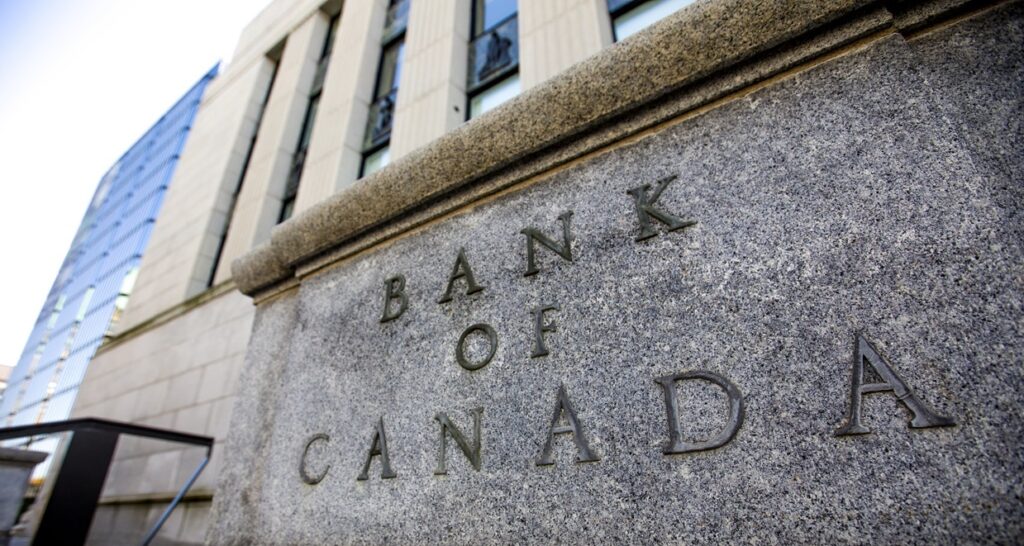
the Bank of Canada (BoC) lowered its benchmark policy rate by 25 basis points to 2.50%, the lowest in three years. This is the first rate cut since March. The decision comes amid economic contraction (−1.5% to −1.6% in Q2), rising unemployment (≈7.1%), weakening exports (especially due to U.S. tariffs), and slower business investment. Inflation has moderated, and core inflation pressures are easing. Still, trade disruptions and other global risks remain. The BoC emphasized that it is “moving carefully,” and while markets expect further cuts (possibly in October), the bank made no firm commitment to a rate path.
What it will do:
- Support for borrowing costs: Lower rates temporarily ease costs for consumers with variable-rate debt, some mortgages, and could stimulate prices in the housing market.
- Business investment may still lag: Because much of the business sector remains cautious amid trade uncertainty and weak global demand, the rate cut may not fully reverse investment pullbacks.
- Inflation nearly under control, but upside risks: With tariffs reduced, inflation pressures ease. but any resurgence of global price shocks, or protectionist measures could disrupt this balance. which are very likely.
How you can benefit:
- Fixed Income: Buy shorter-duration government bonds to benefit from rate cuts without taking long-term exposure. Consider floating rate or short-term corporate bonds.
Ugly: Anthropic Irks White House with Limits on Models’ Use

What it is:
Anthropic, an AI company, has policies that limit how its “Claude” models can be used by law enforcement, national security, and federal agencies—specifically, prohibiting uses tied to “surveillance” under its usage policy. Contractors working with agencies like the FBI or Secret Service have expressed concern, as Anthropic is among the few providers cleared for sensitive government use via GovCloud. The issue centers on how “domestic surveillance” is defined and whether those limitations constrain some government tasks. There is tension between Anthropic’s safety-/ethics-oriented policies and the Trump administration’s push for broader government access and fewer restrictions.
What it will do:
- Policy & contract friction: Government contracts could be delayed or pushed toward providers with fewer usage restrictions. Anthropic may face pushback or pressure to revise policies. Despite having a focus on AI safety, a rare stance among larger ai companies.
- Regulation & oversight pressure: Defining “surveillance” may become a regulatory issue. Laws may emerge to force AI providers to clarify or limit their use‐policies.
- Competitive differentiation: Most providers may use permissive policies to win contracts and leave anthropic in the dust.
How you can benefit:
- Anthropic’s valuation and risk: Investors should assess how policy limitations affect contract pipelines—government work is a major revenue stream. If policies change, Anthropic could unlock new markets.
- Rivals with broader usage policies: OpenAI, Microsoft, or other AI providers that permit more government uses may capture contracts that Anthropic avoids. Monitoring those competitive shifts could offer trade opportunities.