The global artificial intelligence boom is no longer just about chatbots and image generators. Behind the scenes, some of the world’s largest companies are engaged in a high-stakes race to define the future of computing itself. Billions — and soon trillions — of dollars are flowing into infrastructure, new models, and attempts to commercialize a technology still in its formative years. But what, exactly, are these companies trying to build?
The Infrastructure Land Grab
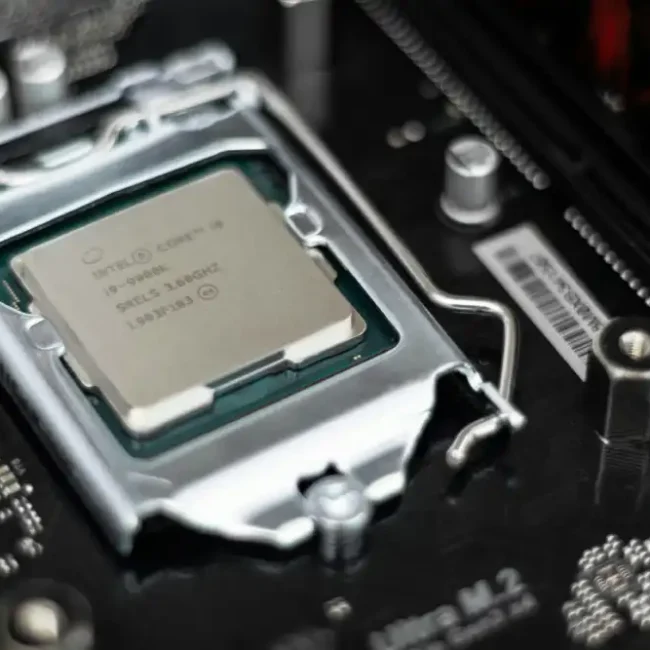
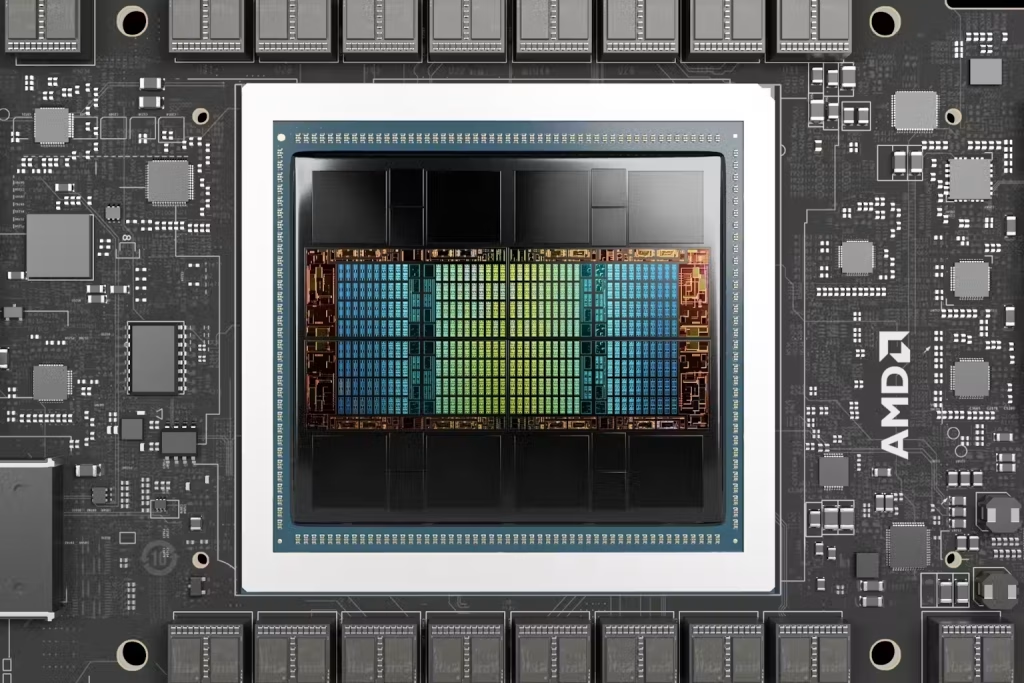
At the heart of the AI race is infrastructure. Training cutting-edge models requires vast amounts of computing power, specialized chips, and energy-hungry data centers. Firms like Nvidia, Microsoft, and Google are pouring unprecedented sums into GPU clusters and cloud platforms, betting that whoever controls the largest and most efficient compute backbone will dominate the next decade of AI.
This land grab is reshaping entire industries. Energy utilities, semiconductor manufacturers, and data-center operators are now critical players in what was once the domain of software firms. In many ways, AI is becoming the new electricity — and access to its “grid” may determine who thrives.
Big Models vs. Smart Niches
A central debate in AI is whether to chase massive, general-purpose “foundation models” or to focus on specialized systems built for narrow but lucrative domains. Companies like OpenAI and Anthropic argue that bigger is better — that scaling up models gives flexibility and broader capability. Others, especially in health tech, finance, and robotics, see more value in tailored models optimized for specific use cases.
For investors, this split represents two strategies: one resembling the search engine wars of the 2000s (winner-takes-most), and the other more like biotech (high-margin niches that reward specialization).
Efficiency as a Competitive Edge
Running giant models is expensive. Power bills, cooling systems, and inference costs can quickly overwhelm revenue. That’s why companies are scrambling to optimize both hardware and software. From model compression and quantization to custom chips and renewable-powered data centers, efficiency is fast becoming as important as capability. The firms that crack cost-effective deployment will have a huge advantage in profitability.
Safety, Regulation, and Public Trust
Alongside growth comes scrutiny. Governments are drafting regulations on everything from antitrust to AI safety standards, and watchdogs are questioning whether companies can prevent bias, disinformation, and misuse. Alignment — making sure AI systems do what they’re told without unintended consequences — is now one of the most funded areas of research. The companies that navigate this terrain most transparently may win trust, while laggards risk fines, restrictions, and reputational damage.
Geopolitics and Supply Chains
The AI race isn’t just corporate — it’s geopolitical. The U.S., China, and Europe are vying for leadership, each with different approaches to funding, regulation, and industrial policy. Access to advanced chips, reliable energy, and top-tier research talent are all chokepoints. Where companies build, whom they partner with, and how they comply with local rules will shape global market share.
The Investment Takeaway
For all the hype, the battle over AI is not just about who builds the smartest chatbot. It’s about who secures the infrastructure, efficiency, and trust to make AI a lasting utility. Investors should pay close attention to three signals:
- Compute Capacity – Which companies have secured reliable access to GPUs, energy, and data centers?
- Commercialization Strategy – Are they betting on broad consumer platforms or deep vertical applications?
- Regulatory Positioning – Who is building strong compliance and alignment frameworks that will survive the coming wave of global oversight?
The future of AI will be defined as much by power grids, chip supply, and governance as by clever algorithms. The winners won’t just shape technology — they’ll reshape the global economy.