
Good: CPI, the Fed, and the path to rate cuts
What it is:
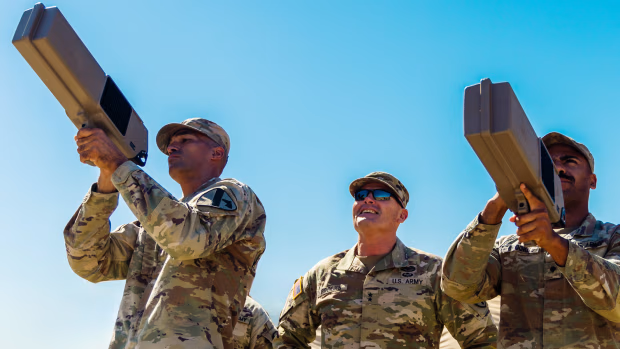
The Pentagon ran its first “Top Drone” school in August—a competitive, threat-realistic course where military and industry operators flew tethered and untethered first-person-view (FPV) drones through endurance and maneuver tests. It’s part of DoD’s rapid push to build the training, standards, and talent pipeline needed as cheap, attritable drones reshape modern warfare (from Ukraine to the Red Sea).
What it will do:
- Doctrine hardening & scale-up: Expect formal qualification tracks, repeat courses, and integration with service schools—accelerating unit-level drone adoption and standard loadouts.
- Training reveals what actually works, guiding buy lists for FPV kits, radios, batteries, EW-resilient links, and mission payloads (ISR, loitering, EW, decoys).
How you can benefit:
- Near-term: Look at vendors aligned with small-UAS production (airframes, flight controllers, secure links), training services, and range instrumentation; winners tend to be suppliers of COTS components ruggedized for DoD.
- Counter-UAS: Track primes and specialists in sensors (3D radar), RF detection/jamming, EO/IR cueing, fire-control, and gun/missile intercept (beneficiaries of SHORAD budget lines)
Bad: Box CEO Aaron Levie on AI’s “Era of Context”
What it is:
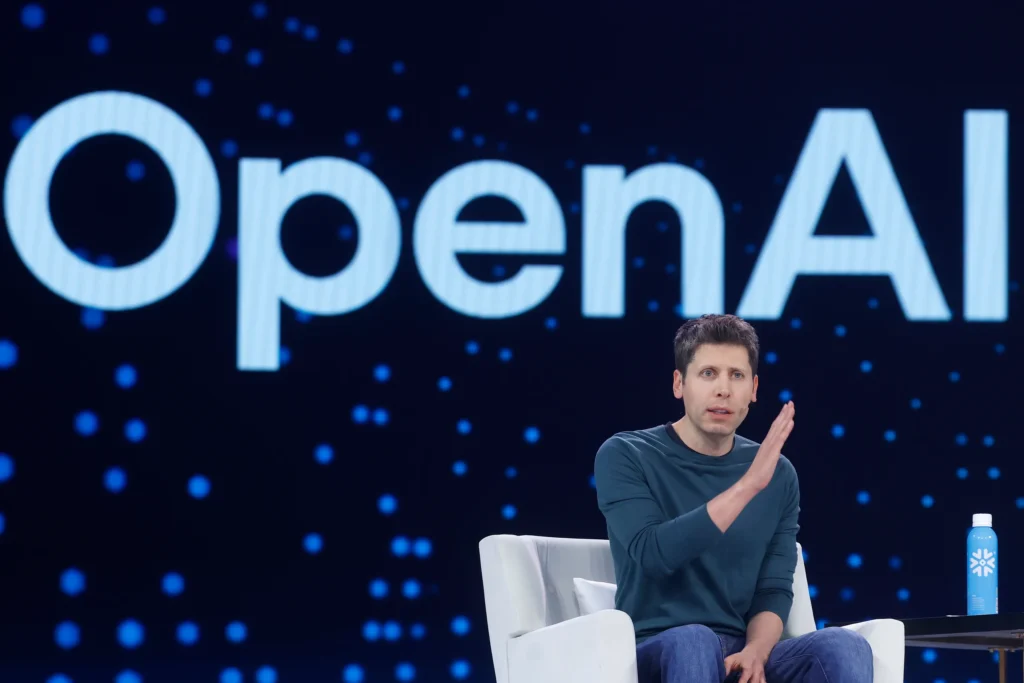
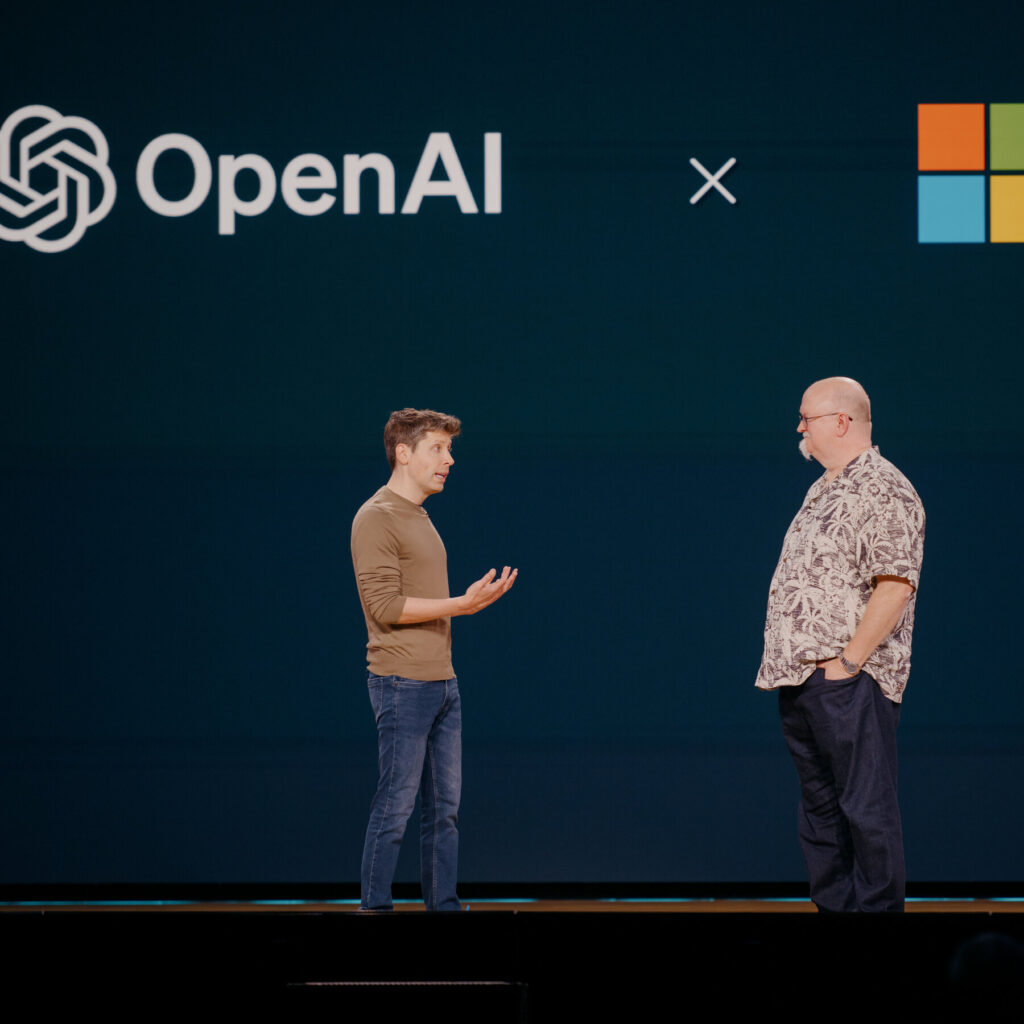
OpenAI and Microsoft reached a non-binding agreement to let OpenAI restructure—shifting toward a public-benefit corporation (PBC) while granting its nonprofit parent a $100B+ equity stake. The aim: align mission with capital access, reduce governance friction after years of scrutiny, and give OpenAI latitude to pursue multi-cloud infrastructure (Oracle, Google) and mega-projects like Stargate. The arrangement still needs California & Delaware approvals and could alter Microsoft’s exclusivity, even as both sides seek continued access to each other’s tech.
What it will do:
- Cost of AI capital becomes explicit: A PBC structure surfaces the true cost of safety, compute, and governance—and could normalize multi-tens-of-billions raises for frontier AI.
- Regulatory pathfinding: California/Delaware reviews will set precedent for AI corporate governance (mission lock, board duties, nonprofit control claims).
How you can benefit:
- Event watchlist: Track regulatory clearance milestones, any re-cut of Microsoft commercial terms, and cloud siting announcements—each can move suppliers and partners.
- Public proxies for AI capex: Position in cloud & semiconductor names that capture diversified OpenAI (and peers) spend—hyperscalers, GPU/accelerator vendors, power & data-center REITs. The multi-cloud pivot argues for notbeing single-vendor concentrated.
Ugly: UK aims to restore an airborne nuclear deterrent
What it is:
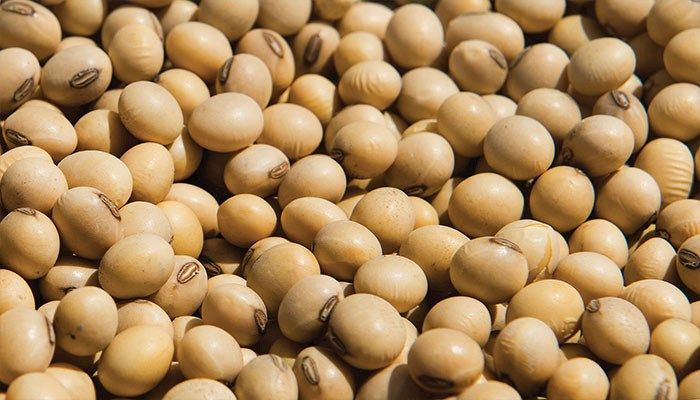
China bought roughly $13B of U.S. soybeans last year but has booked no new orders so far this year, pivoting toward Brazil. For a crop that’s the profit backbone of many U.S. farms, that’s a direct stress test of tariff-era leverage: can Washington extract concessions from Beijing without collateral damage to its farm base? Farm groups are already urging the White House to prioritize soybeans in talks or craft relief.
What it will do:
- Price & basis pressure: With China sidelined, Gulf and PNW export programs slow; interior basis widens, storage fills, and carry becomes strategy—hurting farm cash flows.
- Brazil structural share gains: If China cements Brazilian contracts, U.S. loses market share and bargaining powerbeyond this season.
How you can benefit:
- Energy-ag linkage: If exports lag, watch U.S. crush margins: processors (soymeal/oil) and renewable diesel value chains (oil to fuel) can cushion farmer demand—benefiting oilseed crushers, biofuel refiners, rail & pipeline logisticstied to domestic movement.
- Brazil agriculture exposure: Consider fertilizer, ports, and ag-logistics serving Brazil’s soy complex; China’s pivot lifts those cash flows.
- Risk hedges: For U.S. ag equities and MLPs with export sensitivity, use options around USDA WASDE and China purchase headlines; add freight/shipping exposure if flows re-route.